Michelangelo Buonarroti: Sculptor, Painter, Architect, and Renaissance Genius
Michelangelo Buonarroti, often simply referred to as Michelangelo, stands as one of the most influential figures in the history of art and culture. Born in Caprese, Italy, on March 6, 1475, Michelangelo's prodigious talent and creative vision transcended the traditional boundaries of artistic expression during the Italian Renaissance. Renowned for his mastery in sculpture, painting, and architecture, Michelangelo's contributions have left an indelible mark on the world of art and beyond.
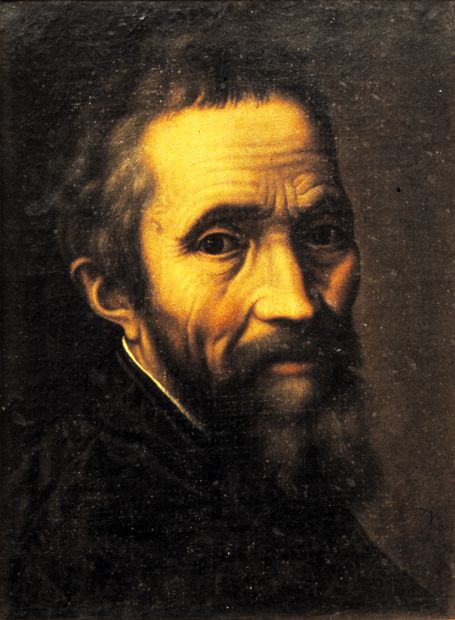

Early Life and Education
Michelangelo's journey into the world of art began at an early age. Recognizing his talent, his family sent him to apprentice under Ghirlandaio, a prominent painter in Florence. Here, he honed his skills in drawing, painting, and the study of classical art forms. His formative years were marked by a deep appreciation for the works of antiquity, particularly the sculptures of ancient Greece and Rome, which would profoundly influence his artistic style.
Sculptor Extraordinaire
1. David (1501-1504): One of Michelangelo's most iconic sculptures, the marble statue of David, stands as a symbol of strength, beauty, and the ideal human form. Commissioned by the city of Florence, David showcases Michelangelo's exceptional ability to sculpt the human anatomy with unparalleled detail and realism.
2. Pietà (1498-1499): Housed in St. Peter's Basilica in Vatican City, Michelangelo's Pietà depicts the Virgin Mary cradling the body of Jesus after the Crucifixion. The sculpture captures a moment of profound sorrow and grace, showcasing Michelangelo's mastery in conveying emotion and spiritual depth through marble.
Master of Fresco Painting
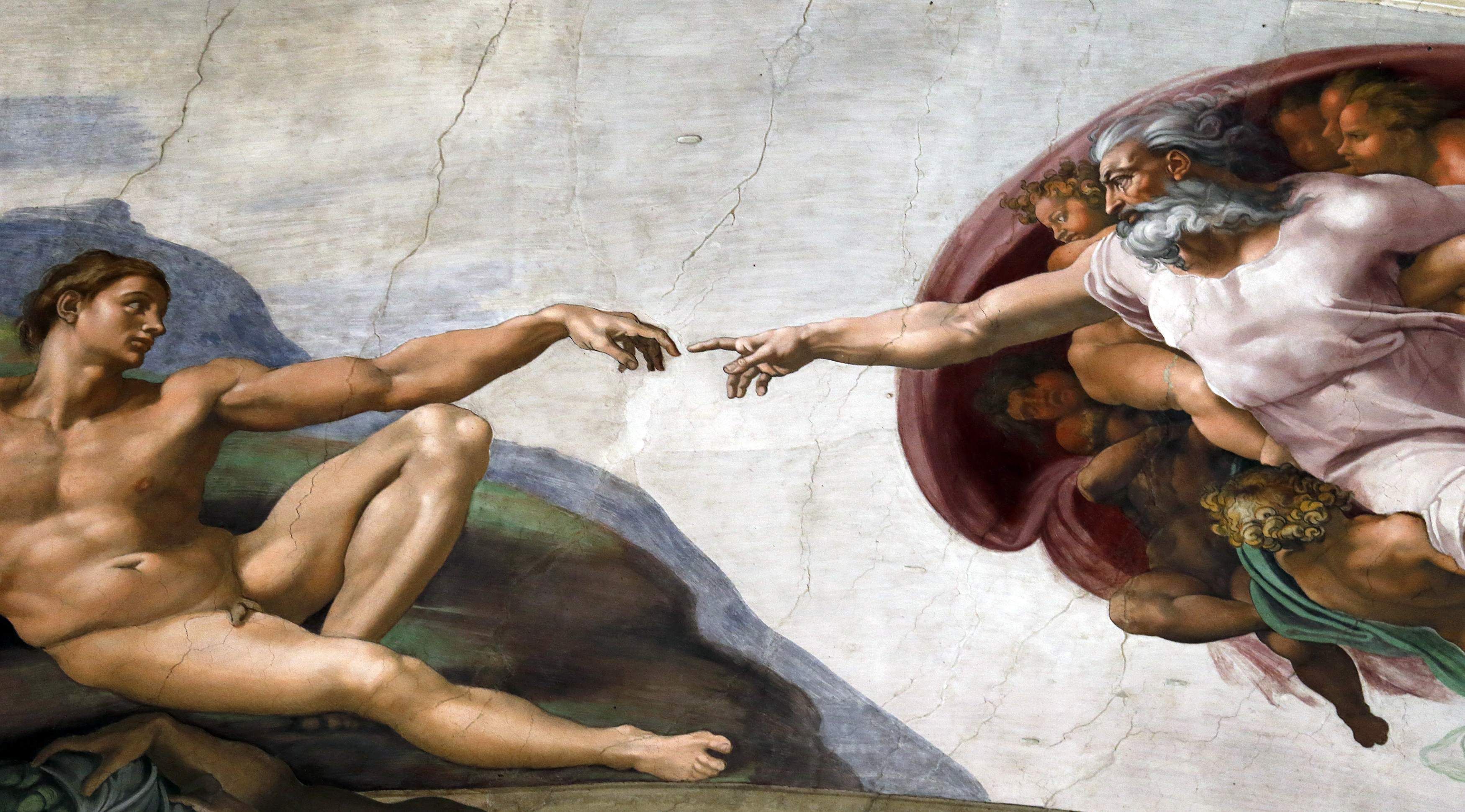
1. Sistine Chapel Ceiling (1508-1512): Commissioned by Pope Julius II, Michelangelo undertook the monumental task of painting the ceiling of the Sistine Chapel. The frescoes depict scenes from the Book of Genesis, including the iconic "Creation of Adam," where the outstretched fingers of God and Adam have become an enduring symbol of human creation and divine inspiration.
2. The Last Judgment (1536-1541): Located on the altar wall of the Sistine Chapel, The Last Judgment is another of Michelangelo's masterpieces in fresco painting. The monumental work depicts the second coming of Christ and the final judgment of souls, showcasing Michelangelo's profound understanding of human anatomy, emotion, and spiritual narrative.
Architectural Visionary
1. St. Peter's Basilica (1546-1564): Michelangelo's architectural legacy includes his contributions to the design of St. Peter's Basilica in Vatican City. While his initial plans were modified by subsequent architects, Michelangelo's influence is evident in the majestic dome that crowns the basilica, a symbol of architectural innovation and grandeur.
2. Medici Chapels (1519-1534): Located in Florence, the Medici Chapels are another testament to Michelangelo's architectural prowess. The chapels serve as a mausoleum for members of the Medici family, featuring Michelangelo's sculptures and architectural design that harmoniously blend sculpture, architecture, and spiritual symbolism.
Legacy and Impact
Michelangelo's legacy extends far beyond his artistic achievements. His works epitomize the ideals of the Italian Renaissance, characterized by a revival of classical art, humanism, and a celebration of the beauty of the human form. His influence has inspired generations of artists and continues to resonate in the realms of art, architecture, and culture worldwide.
Michelangelo Buonarroti's genius as a sculptor, painter, and architect remains unparalleled in the annals of art history. His ability to breathe life into marble, capture profound emotion on canvas, and conceive monumental architectural designs has left an enduring legacy that continues to captivate and inspire. Michelangelo's works not only reflect his technical mastery but also his profound exploration of human spirituality, emotion, and the pursuit of artistic excellence during the Renaissance era and beyond.


Was This Article Helpful?
Click on a star to rate it!
Thank you for your vote!

Average Rating: 4.7/5 Votes: 17
Be the first to rate this post!

Latest Posts

How Individuals Can Support Animal Protection: Simple Actions That Create Change

The Role of Consumers in Sustainability: How Everyday Choices Can Create Change
Human Rights Challenges in Conflict Zones: Protecting People During Crisis