The Rise of Cross-Platform Gaming
Gaming used to be divided by hardware. Players on a console competed with other console players, PC gamers had their own communities, and mobile gaming existed in a separate world.
That separation is changing.
Cross-platform gaming allows people using different devices to play the same game together. A player on a PC might compete against someone using a console, while another friend joins from a mobile device.
As internet connectivity, cloud technology, and game development continue to improve, cross-platform play is becoming an increasingly important part of the gaming experience.
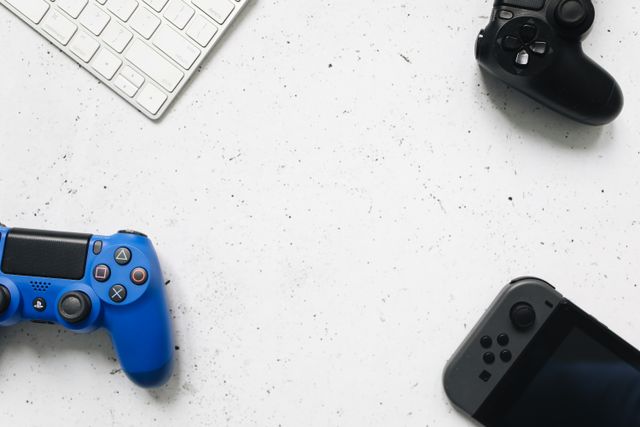
What Is Cross-Platform Gaming?
Cross-platform gaming, also called cross-play, allows players on different gaming platforms to participate in the same multiplayer experience.
For example, a game might allow users on PC, PlayStation, Xbox, and Nintendo Switch to play together.
Cross-platform progression can take this idea further. Instead of simply playing together, players may be able to keep their account, characters, achievements, or purchases when switching between supported devices.
These features give players more freedom over how and where they play.
Why Cross-Platform Play Is Growing
One major reason for the growth of cross-platform gaming is convenience.
Gamers rarely use only one type of device for everything. Someone might play on a console at home, use a PC for competitive gaming, and occasionally play on a smartphone.
Cross-platform support makes these different devices less restrictive.
It also makes it easier for friends to play together. Instead of asking, "Which console do you have?", players can simply join the same game.
A Larger Multiplayer Community
Cross-platform play can bring players from separate platforms into one shared player pool.
This can be especially useful for multiplayer games that depend on finding opponents or teammates quickly.
|
Traditional Platform-Based Gaming |
Cross-Platform Gaming |
|
Players are separated by hardware |
Players can share multiplayer spaces |
|
Smaller player pools |
Potentially larger communities |
|
Friends may need the same platform |
Friends can use different supported devices |
|
Progress may be tied to one system |
Cross-progression can connect accounts |
|
Separate platform communities |
More connected gaming communities |
A larger player pool can also help reduce waiting times for matchmaking in games where enough players are available.
Cross-Progression Adds More Flexibility
Cross-play is only one part of the broader movement toward platform flexibility.
Cross-progression allows players to carry certain elements of their gaming experience between devices.
Imagine starting a game on a console and later continuing on a PC without losing your progress. Depending on the game, purchases, cosmetics, statistics, and other account information may also remain available.
This makes gaming less dependent on a single piece of hardware.
The Role of Cloud Gaming
Cloud gaming could push cross-platform experiences even further.
Instead of relying entirely on local hardware to run a game, cloud gaming can process gameplay on remote servers and stream the experience to a supported device.
This could allow players to access more demanding games from devices that would traditionally struggle to run them.
However, cloud gaming still depends heavily on internet quality, latency, server availability, and service infrastructure.
Challenges of Cross-Platform Gaming
Cross-platform gaming is not completely straightforward.
Different platforms have different technical requirements, account systems, online services, and hardware capabilities.
Game developers also need to consider competitive balance. A player using a mouse and keyboard may have different controls from someone using a controller or touchscreen.
Developers may therefore introduce separate matchmaking options, input-based matchmaking, or other systems to create a balanced experience.
Business Opportunities for Developers
Cross-platform gaming can also change how developers approach their audiences.
Instead of creating completely separate communities for different platforms, developers can build a larger connected ecosystem around a game.
This can support live-service models, digital purchases, seasonal content, and long-term player engagement.
At the same time, developers need to maintain multiple versions of a game and meet the requirements of different platforms, which can increase development and testing complexity.
Social Gaming Becomes More Connected
Gaming is increasingly a social activity.
Friends may live in different cities or own different devices, but cross-platform functionality can make it easier for them to stay connected through games.
Voice chat, friend systems, shared progression, online events, and multiplayer features can turn games into persistent social spaces rather than isolated products.
This trend could make platform boundaries less important to everyday players.
What Could Come Next?
The future of cross-platform gaming may involve even greater integration between devices.
Players could move between consoles, PCs, handheld systems, smartphones, and cloud services while maintaining a consistent account and gaming identity.
Developers may also experiment with new ways to synchronize gameplay, social features, purchases, and saved data across ecosystems.
The goal is simple: make the game feel like the central experience rather than the device used to access it.
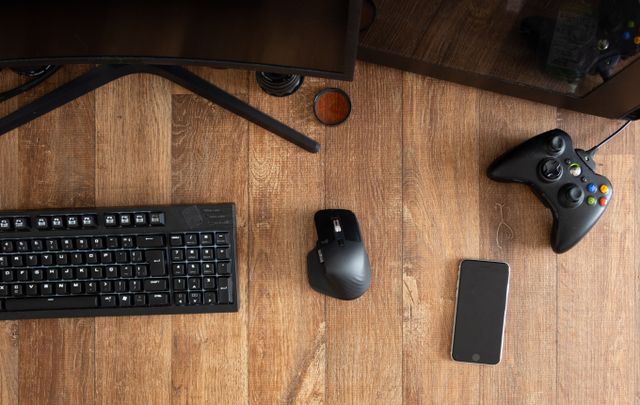
Conclusion
Cross-platform gaming is changing how players connect with games and with each other.
By reducing hardware barriers, cross-play can create larger communities and make multiplayer gaming more accessible to groups of friends. Cross-progression and cloud technology can add another layer of flexibility, allowing players to move between devices more easily.
There are still technical, competitive, and business challenges to solve, but the broader direction is clear: gaming is becoming less tied to a single platform and more focused on connected experiences.
Frequently Asked Questions
Cloud gaming can make games accessible across more types of devices because some processing occurs on remote servers. It can therefore complement broader cross-platform gaming experiences.


Was This Article Helpful?
Click on a star to rate it!
Thank you for your vote!

Average Rating: 5/5 Votes: 1
Be the first to rate this post!

Strong engineering background in mobile and backend development. Focusing on building scalable products, improving development processes — from architecture and APIs to UX redesigns, monetization, and analytics. Responsible for applications with 1M+ downloads and multi-project ecosystems.
View LinkedIn ProfileLatest Posts

Travel Photography Tips for Stunning Memories
The Rise of Cross-Platform Gaming

Esports Arenas and the Future of Competitive Gaming