How Lighting Changes Everything in Photography: The Power of Light and Shadow
Photography is often described as the art of capturing moments, but at its core, it is the art of capturing light. Lighting influences how a photograph looks, feels, and communicates with viewers. The same subject can appear completely different depending on the direction, intensity, color, and quality of light.
Understanding lighting allows photographers to create stronger images, control mood, and transform ordinary scenes into visually compelling photographs.
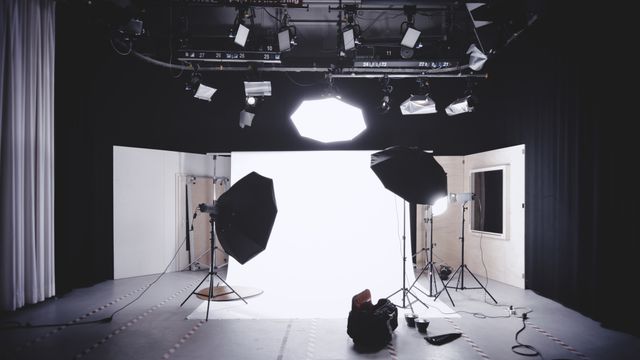
Why Lighting Matters in Photography
Light determines many important elements of a photograph, including:
- Brightness and exposure
- Colors and contrast
- Depth and texture
- Mood and emotion
- Focus and visual storytelling
A skilled photographer does not simply take pictures—they use light intentionally to guide the viewer’s attention.
The Different Qualities of Light
Photography lighting can be described by several characteristics.
Intensity
Intensity refers to how bright the light source is.
Bright light can:
- Create strong contrasts
- Highlight details
- Produce sharp shadows
Lower-intensity light can:
- Create softer images
- Reduce harsh contrasts
- Produce a calmer atmosphere
Direction
The direction of light changes how a subject appears.
Common lighting directions include:
- Front lighting: Illuminates the subject evenly
- Side lighting: Creates depth and emphasizes texture
- Backlighting: Creates silhouettes and dramatic effects
- Top lighting: Produces strong shadows and shapes
Quality
Light quality refers to whether shadows appear hard or soft.
|
Lighting Type |
Characteristics |
Common Effect |
|
Hard light |
Strong shadows and contrast |
Dramatic and powerful images |
|
Soft light |
Gentle shadows and smooth tones |
Natural and flattering portraits |
|
Warm light |
Orange or golden tones |
Cozy and emotional atmosphere |
|
Cool light |
Blue tones |
Calm or mysterious mood |
Natural Light in Photography
Natural light from the sun is one of the most widely used photography tools.
Different times of day create different visual effects.
Golden Hour
Golden hour occurs shortly after sunrise and before sunset.
It creates:
- Warm colors
- Soft shadows
- Gentle highlights
- Romantic or cinematic moods
Many portrait and landscape photographers prefer this lighting because it creates a naturally pleasing appearance.
Midday Light
Direct midday sunlight can be challenging because it often creates:
- Harsh shadows
- High contrast
- Bright highlights
However, it can also be useful for creating bold and energetic images.
Overcast Light
Cloudy conditions create soft, diffused lighting.
Advantages include:
- Even exposure
- Reduced shadows
- Natural skin tones
Overcast days are often ideal for portraits and outdoor photography.
Artificial Lighting Techniques
Photographers use artificial lights to control their environment.
Common tools include:
- Studio lights
- Flash units
- LED panels
- Reflectors
Artificial lighting allows photographers to create consistent results regardless of weather or location.
How Lighting Creates Mood
Lighting has a powerful emotional impact.
Examples:
Bright and Soft Lighting
Often creates feelings of:
- Happiness
- Openness
- Calmness
Dark and High-Contrast Lighting
Can create:
- Mystery
- Drama
- Intensity
Colored Lighting
Can communicate:
- Energy
- Nostalgia
- Fantasy
- Emotion
Professional photographers use lighting choices to support the story behind an image.
Lighting in Portrait Photography
Portrait photography depends heavily on good lighting.
Effective portrait lighting can:
- Highlight facial features
- Create flattering shadows
- Add depth
- Capture personality
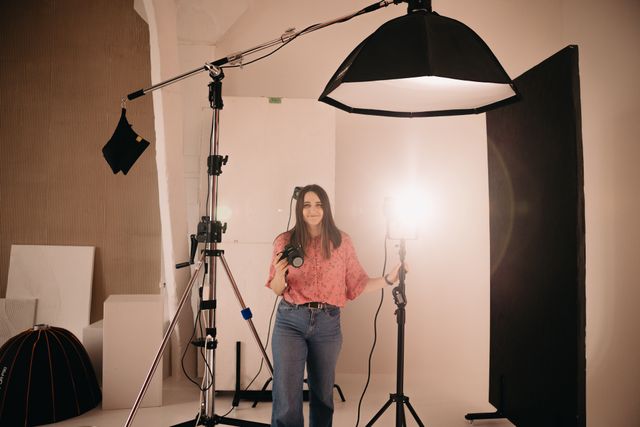
Techniques such as side lighting, softboxes, and reflectors help photographers shape how people appear in images.
Lighting in Landscape Photography
Landscape photographers often rely on natural light to enhance scenery.
Lighting can influence:
- The appearance of mountains and textures
- Water reflections
- Sky colors
- Overall atmosphere
Sunrise and sunset lighting often create the most dramatic landscape images.
The Role of Shadows
Shadows are not simply areas without light—they are creative tools.
Shadows can:
- Add depth
- Create patterns
- Increase visual interest
- Direct attention
Many powerful photographs use the relationship between light and shadow as a central element.
Using Light to Tell Stories
Great photography uses lighting to communicate ideas.
A photographer can use light to:
- Highlight important subjects
- Create emotional reactions
- Show time and place
- Build visual narratives
Lighting choices often determine how viewers interpret an image.
Common Lighting Mistakes
Photographers often struggle with:
- Shooting directly under harsh sunlight
- Ignoring background lighting
- Overexposing bright areas
- Using flat lighting without depth
- Depending only on automatic camera settings
Learning to observe light before taking a photograph can greatly improve results.
Improving Photography Through Lighting Practice
Photographers can develop lighting skills by:
- Studying how shadows change throughout the day
- Experimenting with different angles
- Practicing in different weather conditions
- Using reflectors and simple lighting tools
- Reviewing how light affects mood
The more photographers understand light, the more creative control they gain.
The Future of Lighting in Photography
Technology continues to expand creative possibilities through:
- Advanced LED lighting systems
- AI-assisted editing tools
- Computational photography
- Smart cameras
- Virtual lighting effects
These innovations give photographers new ways to shape and enhance images.
Conclusion
Lighting is one of the most powerful elements in photography. It can transform a simple subject into an emotional, dramatic, or memorable image. By understanding direction, intensity, quality, and color, photographers can use light as a creative tool rather than simply a technical necessity.
Great photography is not only about what you capture—it is about how you choose to reveal it through light.
Frequently Asked Questions
Beginners can improve by practicing with different light sources, studying shadows, and experimenting with angles.


Was This Article Helpful?
Click on a star to rate it!
Thank you for your vote!

Average Rating: 0/5 Votes: 0
Be the first to rate this post!

Tech entrepreneur & digital strategist with over 9 years of experience in backend development and more than 5 years in executive leadership. Education Software and Web developer. More than 20 years of experience in software and web development.
View LinkedIn ProfileLatest Posts

How Individuals Can Support Animal Protection: Simple Actions That Create Change

The Role of Consumers in Sustainability: How Everyday Choices Can Create Change
Human Rights Challenges in Conflict Zones: Protecting People During Crisis