The Evolution of Music Genres Over the Decades: How Sounds and Cultures Have Changed
Music has always reflected the emotions, struggles, innovations, and cultural movements of each generation. Over the decades, new technologies, social changes, and creative experimentation have transformed the way music is created, performed, and experienced.
From jazz and rock to hip-hop, electronic music, and modern digital genres, the evolution of music shows how artists continuously redefine sound and connect with audiences.
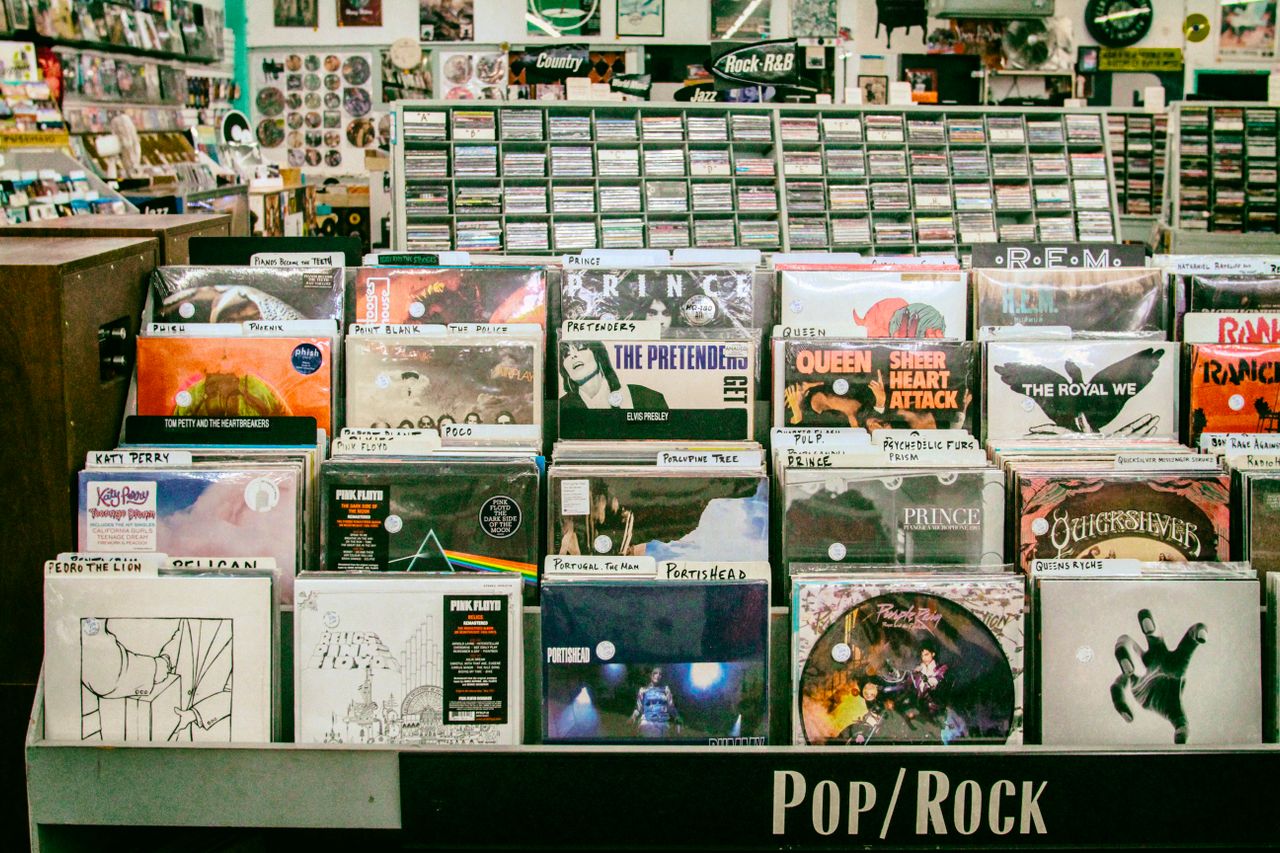
The Early 20th Century: The Rise of Jazz and Blues
The early 1900s marked a major transformation in popular music with the growth of jazz and blues.
Jazz developed from African American musical traditions and combined elements such as:
- Improvisation
- Complex rhythms
- Instrumental experimentation
- Group performance
Blues focused on emotional storytelling and became an important influence on many future genres.
Artists such as Louis Armstrong helped bring jazz to international audiences, while blues traditions influenced generations of musicians.
The 1950s: The Birth of Rock and Roll
The 1950s introduced rock and roll, a genre that blended blues, country, and rhythm and blues influences.
Rock and roll became associated with:
- Youth culture
- Electric guitars
- Energetic performances
- Rebellious attitudes
Elvis Presley became one of the most recognizable figures of the era, helping popularize the genre worldwide.
The decade also saw the expansion of rhythm and blues, which laid the foundation for future soul and pop music.
The 1960s: Musical Experimentation and Cultural Change
The 1960s were a period of major artistic exploration.
Important developments included:
- Psychedelic rock
- Folk rock
- Motown
- Soul music
- Experimental songwriting
Bands such as The Beatles pushed creative boundaries by experimenting with studio techniques, unusual arrangements, and new songwriting approaches.
Music became closely connected with social movements, personal expression, and cultural change.
The 1970s: The Expansion of Rock, Disco, and Funk
The 1970s brought a wide variety of influential genres.
Popular styles included:
- Progressive rock
- Heavy metal
- Disco
- Funk
- Punk rock
Disco became a major dance movement, while punk challenged traditional music structures with shorter songs and raw energy.
Funk rhythms also influenced future genres, particularly hip-hop and electronic music.
|
Decade |
Major Genres |
Key Characteristics |
|
1950s |
Rock and roll, rhythm and blues |
Youth culture and energetic performances |
|
1960s |
Psychedelic rock, soul, folk rock |
Experimentation and social expression |
|
1970s |
Disco, punk, funk, heavy metal |
Diverse styles and new identities |
|
1980s |
Pop, hip-hop, electronic music |
Technology-driven production |
|
1990s |
Grunge, alternative, rap, electronic |
Genre blending and independent scenes |
The 1980s: Technology Changes Music Production
Technology played a major role in shaping 1980s music.
Innovations included:
- Synthesizers
- Drum machines
- Digital recording
- Music videos
Pop music became highly visual, with artists using television and new media to reach global audiences.
The decade also saw the rise of hip-hop as a major cultural force, moving from local communities into mainstream popularity.
The 1990s: Alternative Sounds and Hip-Hop Growth
The 1990s introduced a wide range of new musical identities.
Major movements included:
- Grunge
- Alternative rock
- Contemporary R&B
- Hip-hop
- Electronic dance music
Hip-hop expanded significantly, becoming one of the most influential genres in global popular culture.
Artists such as Tupac Shakur and The Notorious B.I.G. shaped the sound and storytelling style of the era.
The 2000s: Digital Music and Genre Mixing
The internet transformed how music was created and shared.
Major changes included:
- Digital downloads
- Online music communities
- Home recording technology
- Global access to independent artists
Genres began blending more than ever, with artists combining:
- Pop and hip-hop
- Rock and electronic sounds
- Traditional music with modern production
The 2010s: Streaming and Global Music Growth
Streaming platforms changed how audiences discovered music.
The decade saw:
- Global pop influences
- Growth of electronic music
- Expansion of hip-hop
- Rise of independent creators
Music became more accessible, allowing artists from different countries to reach worldwide audiences.
Genres such as K-pop, Latin music, and Afrobeat gained international popularity.
The 2020s: AI, Short-Form Media, and New Creative Tools
Modern music continues to evolve through technology.
Current trends include:
- AI-assisted production tools
- Short-form video-driven discoveries
- Independent digital releases
- Hybrid genre creation
Artists are increasingly experimenting with new sounds and production methods while reaching audiences directly through digital platforms.
How Technology Has Changed Music
Technology has influenced every stage of music creation.
Modern tools allow artists to:
- Record from home studios
- Collaborate remotely
- Produce professional-quality tracks
- Distribute music globally
- Analyze audience preferences
These changes have lowered barriers for new creators.
The Role of Culture in Music Evolution
Music genres often emerge from cultural experiences and social changes.
Genres reflect:
- Political movements
- Community identities
- Generational experiences
- Technological shifts
- Artistic experimentation
Each era adds new influences that shape the future of music.
The Future of Music Genres
Future music may continue moving toward:
- Greater genre fusion
- Interactive listening experiences
- AI-assisted creativity
- Global collaborations
- Personalized music experiences
Rather than disappearing, traditional genres are likely to evolve and combine in new ways.

Conclusion
The evolution of music genres over the decades demonstrates the creativity and adaptability of artists around the world. Each generation has introduced new sounds shaped by technology, culture, and social change.
From jazz and rock to hip-hop, electronic music, and emerging digital styles, music continues to evolve as a reflection of human creativity and experience.
Frequently Asked Questions
Future genres will likely involve more blending of styles, digital innovation, and global cultural influences.


Was This Article Helpful?
Click on a star to rate it!
Thank you for your vote!

Average Rating: 0/5 Votes: 0
Be the first to rate this post!

Strong engineering background in mobile and backend development. Focusing on building scalable products, improving development processes — from architecture and APIs to UX redesigns, monetization, and analytics. Responsible for applications with 1M+ downloads and multi-project ecosystems.
View LinkedIn ProfileLatest Posts

How Individuals Can Support Animal Protection: Simple Actions That Create Change

The Role of Consumers in Sustainability: How Everyday Choices Can Create Change

Human Rights Challenges in Conflict Zones: Protecting People During Crisis