The Comeback of Vinyl Records
In an age when millions of songs are available through streaming services, vinyl records have made a remarkable return. Many music fans are choosing physical albums over digital playlists, creating renewed interest in record stores, turntables, and album collecting.
Vinyl offers something different from the convenience of streaming. It gives listeners a physical connection to music, from the artwork on an album cover to the experience of placing a record on a turntable. For some, it is about sound quality; for others, it is about nostalgia, collecting, or enjoying music without constant notifications and distractions.
The comeback of vinyl records shows that even as technology makes music easier to access, people continue to value tangible and personal listening experiences.
How Vinyl Records Became Popular Again
Vinyl was once one of the main formats for listening to recorded music. During the late 20th century, however, cassette tapes, CDs, and eventually digital downloads and streaming services changed how people bought and listened to albums.
For a time, vinyl seemed like an outdated format. Its production and sales declined as listeners moved toward smaller, more portable, and more convenient alternatives.
The situation began to change in the 2000s and accelerated during the following decade. Independent record stores, music collectors, artists, and dedicated fans helped renew interest in vinyl. Record Store Day, launched in 2008, also brought attention to independent record shops through special releases and events.
Today, vinyl appeals to both longtime collectors and younger listeners who may have grown up with streaming. Its return demonstrates that older technologies can find new audiences when they offer experiences that newer formats do not fully replace.
Why People Are Buying Vinyl Records
The renewed interest in vinyl is not driven by a single factor. Different listeners are attracted to different aspects of the format.
A More Intentional Listening Experience
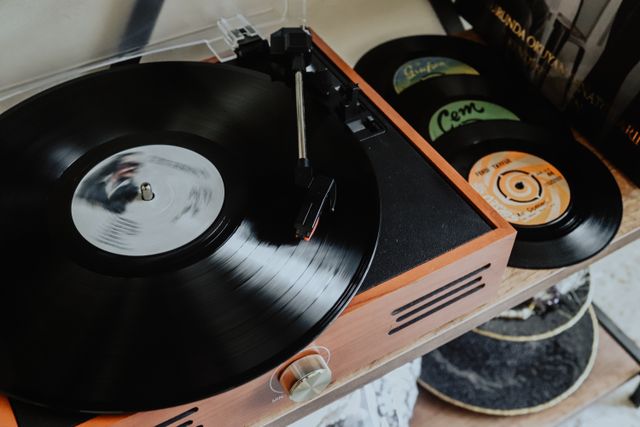
Streaming makes it easy to jump between songs, skip tracks, or leave music playing in the background. Vinyl encourages a different routine: choosing an album, taking the record out of its sleeve, placing it on the turntable, and listening to a sequence of tracks.
Turning a record over halfway through an album can also encourage listeners to pay more attention to the music. For some people, this slower process makes listening feel more deliberate and rewarding.
Nostalgia and Personal Connections
For longtime music fans, vinyl can bring back memories of discovering favorite artists, visiting record stores, or sharing albums with friends and family.
Younger listeners may experience a different kind of nostalgia. Even without growing up with vinyl, they may appreciate its retro design, physical format, and connection to earlier music cultures.
Album Artwork and Physical Ownership
Vinyl records give album artwork a larger format than most digital interfaces. Cover designs, printed inserts, lyrics, photographs, and liner notes can become part of the listening experience.
Owning a physical album also provides a sense of permanence. A record collection can reflect a person's musical interests and memories in a way that a streaming playlist may not.
Does Vinyl Sound Better Than Digital Music?
Sound quality is one of the most debated topics among vinyl fans. Some listeners prefer vinyl because of its particular sound characteristics, while others value the clarity, consistency, and convenience of digital formats.
Neither format is automatically superior in every situation. The result depends on several factors, including the original recording, mastering, playback equipment, and listening environment.
|
Factor |
Vinyl Records |
Digital Music |
|
Sound characteristics |
Can include surface noise and subtle playback variations |
Can offer very low noise and consistent playback |
|
Listening equipment |
Requires a turntable, cartridge, and suitable audio setup |
Can play through phones, computers, speakers, or headphones |
|
Convenience |
Requires handling and storing physical records |
Allows instant access to large music libraries |
|
Portability |
Less convenient to carry and play on the go |
Easy to access across portable devices |
|
Physical experience |
Includes artwork, sleeves, and handling the record |
Primarily accessed through screens and digital interfaces |
|
Maintenance |
Records need careful storage and cleaning |
Digital files require little physical maintenance |
Vinyl can sound excellent when records are well pressed and played on a properly set-up system. However, digital audio can reproduce music with greater technical accuracy and less unwanted noise, depending on the format and mastering.
The important distinction is that preference is subjective. Some listeners enjoy vinyl's playback characteristics, while others prefer digital sound. The quality of the recording and mastering can matter more than the format alone.
The Role of Artists and the Music Industry
Artists and record labels have helped drive vinyl's return by releasing new albums on vinyl alongside digital versions. Reissues of older albums also give fans opportunities to collect music that may have been difficult to find in physical form.
Special editions can attract collectors through colored vinyl, alternate artwork, limited packaging, or additional printed material. Some fans buy records to support their favorite artists, while others enjoy searching for rare pressings and building collections around particular genres.
Vinyl has also become an important product for independent musicians. Selling records at concerts and through online stores can provide another source of income and give fans a lasting souvenir.
However, limited editions and collectible releases can sometimes become expensive. Buyers should consider whether they genuinely want the music or are primarily responding to scarcity and resale expectations.
Record Stores and the Community Around Vinyl
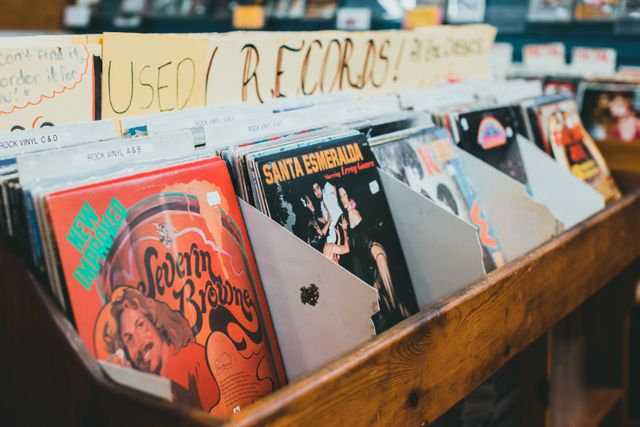
The comeback of vinyl has helped maintain interest in independent record stores. These shops offer more than a place to buy albums: they can serve as gathering spaces for people with shared musical interests.
Browsing physical shelves allows listeners to discover unfamiliar artists, compare editions, and ask staff for recommendations. Many stores also host live performances, listening events, release parties, and record fairs.
Online communities have expanded this culture further. Collectors share photographs of their collections, discuss pressing quality, exchange buying advice, and recommend albums through forums and social media.
For many fans, the social side of vinyl is just as important as the records themselves. Collecting can become a hobby that connects people across generations and musical backgrounds.
The Environmental Side of Vinyl Collecting
Vinyl records also have an environmental cost. They are typically made from polyvinyl chloride (PVC), a type of plastic, and their production requires materials, energy, packaging, and transportation.
Physical records also take up storage space, and shipping individual albums can add to their overall footprint. At the same time, a well-maintained record can be played for many years, allowing ownership to extend beyond a single listening session.
Listeners who want to collect more responsibly can consider several practical steps:
- Buy used records when possible.
- Look for albums they expect to play regularly.
- Take care of records to extend their useful life.
- Trade or sell albums they no longer want.
- Avoid purchasing multiple editions simply because they are marketed as limited.
- Combine orders when buying online to reduce unnecessary packaging and shipments.
Digital music is not impact-free either. Streaming relies on data centers, networks, and connected devices. The environmental comparison depends on how music is produced, distributed, purchased, and used over time.
How to Start a Vinyl Record Collection
Starting a collection does not require an expensive audio system or dozens of albums. A simple setup can be enough to discover whether vinyl suits your listening habits.
Choose a Suitable Turntable
Look for a turntable that matches your budget and setup. Some models include a built-in phono preamp, making them easier to connect to powered speakers or compatible audio equipment.
Check what additional components are required before buying. A low-cost turntable may seem affordable initially but could require extra equipment.
Buy Albums You Love
Start with music you already enjoy rather than trying to collect every famous or valuable record. Favorite albums are more likely to remain meaningful over time.
Used record stores, secondhand markets, and reputable online sellers can be good places to look. Check the condition of both the record and its sleeve, especially when buying secondhand.
Store and Clean Records Properly
Keep records upright in a cool, dry place away from direct sunlight and heat. Handle them by the edges and label area to reduce fingerprints and dirt on the playing surface.
Use suitable record-cleaning tools and keep the stylus clean according to the turntable manufacturer's instructions. Proper care can help preserve playback quality and extend the life of a collection.
Conclusion
The comeback of vinyl records shows that convenience is not the only thing people value in music. Physical albums offer artwork, collecting, a more deliberate listening routine, and opportunities to connect with other fans.
Vinyl does require more space, maintenance, and equipment than digital music. It may not suit every listener, and its sound is not automatically better than digital alternatives. Yet for people who enjoy the physical and personal side of music, these characteristics are part of its appeal.
Whether you are rediscovering old favorites or buying your first record, vinyl offers a different way to experience music in a world where almost every song is only a tap away.
Frequently Asked Questions
Neither format is automatically more environmentally friendly. Vinyl requires plastic, manufacturing, packaging, and transportation, while digital music depends on devices, networks, and data centers. Buying used records, keeping them for years, and avoiding unnecessary purchases can help reduce the impact of collecting.


Was This Article Helpful?
Click on a star to rate it!
Thank you for your vote!
Average Rating: 0/5 Votes: 0
Be the first to rate this post!

Tech entrepreneur & digital strategist with over 9 years of experience in backend development and more than 5 years in executive leadership. Education Software and Web developer. More than 20 years of experience in software and web development.
View LinkedIn ProfileLatest Posts

Lifestyle Design for Personal Freedom

Outdoor DIY Projects for Your Backyard

Fashion Weeks and Their Cultural Impact