The Rise of AI in Film Production: How Artificial Intelligence Is Transforming Cinema
Artificial intelligence is reshaping the film industry by changing how movies are developed, produced, edited, and distributed. From assisting with script analysis to creating visual effects and improving post-production workflows, AI tools are becoming valuable resources for filmmakers.
While AI is not replacing human creativity, it is providing new ways for directors, writers, editors, and artists to work more efficiently and explore new creative possibilities.
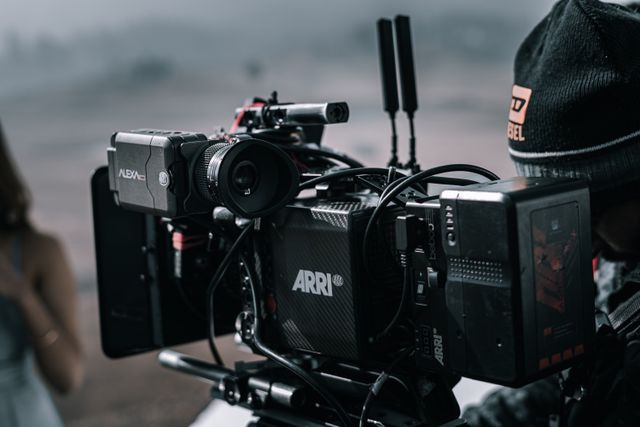
What Is AI in Film Production?
AI in film production refers to the use of artificial intelligence technologies to support different stages of filmmaking.
Applications include:
- Script development
- Pre-production planning
- Visual effects
- Editing assistance
- Sound design
- Audience analysis
- Marketing optimization
These tools help filmmakers save time, reduce costs, and experiment with new ideas.
AI-Assisted Script Development
AI tools are increasingly being used during the writing and planning stages of films.
They can assist with:
- Analyzing story structures
- Generating brainstorming ideas
- Identifying character patterns
- Reviewing scripts for pacing and consistency
Writers can use AI as a creative assistant while maintaining control over the story, themes, and artistic direction.
Faster Pre-Production Planning
Pre-production involves preparing everything before filming begins. AI can help streamline this complex process.
Potential uses include:
- Creating production schedules
- Organizing resources
- Predicting budget needs
- Assisting with location planning
- Generating early visual concepts
Better planning can help production teams reduce delays and improve efficiency.
AI in Visual Effects and Animation
Visual effects (VFX) are among the areas most influenced by AI.
AI tools can help with:
- Digital character creation
- Background generation
- Image enhancement
- Motion tracking
- Faster rendering processes
These improvements allow filmmakers to create complex visuals more efficiently.
|
AI Application |
Role in Film Production |
Benefit |
|
Script analysis |
Supports writing and planning |
Faster creative development |
|
Visual effects AI |
Enhances digital imagery |
More efficient VFX creation |
|
Editing tools |
Assists post-production |
Faster workflow |
|
Sound AI |
Improves audio processing |
Better sound quality |
|
Audience analytics |
Studies viewer preferences |
Smarter marketing decisions |
AI-Powered Editing
Editing is one of the most time-consuming parts of filmmaking. AI is helping editors work more efficiently.
AI editing tools can:
- Organize footage
- Identify important scenes
- Suggest cuts
- Improve color correction
- Synchronize audio
Editors still make creative decisions, but AI can reduce repetitive technical tasks.
Improving Sound Design
Sound plays a crucial role in creating emotional experiences in films.
AI can assist with:
- Noise removal
- Audio enhancement
- Voice processing
- Sound effect creation
- Music recommendations
These tools help filmmakers achieve professional-quality audio more efficiently.
AI-Generated Visual Content
Generative AI technologies can create images, concept art, and visual ideas during the creative process.
Filmmakers may use AI for:
- Storyboards
- Character concepts
- Environment designs
- Mood references
This allows creative teams to visualize ideas before production begins.
Audience Analysis and Film Marketing
AI is also changing how films are promoted.
Studios can use AI to analyze:
- Audience preferences
- Viewing patterns
- Trailer performance
- Marketing trends
This information can help create more targeted promotional campaigns.
Supporting Independent Filmmakers
AI tools are making advanced filmmaking techniques more accessible.
Independent creators can use AI to:
- Create professional-looking visuals
- Reduce production costs
- Improve editing workflows
- Experiment with storytelling formats
This may allow smaller teams to produce ambitious projects with fewer resources.
Benefits of AI in Film Production
AI provides several advantages:
Increased Efficiency
Automation reduces the time needed for repetitive tasks.
Lower Production Costs
Smaller teams can access tools that previously required large budgets.
Creative Experimentation
Filmmakers can explore ideas faster through AI-generated concepts.
Improved Quality
AI can enhance visuals, sound, and editing precision.
Challenges and Concerns
The rise of AI in filmmaking also raises important questions.
Major concerns include:
- Copyright and ownership issues
- The impact on creative jobs
- Ethical use of AI-generated content
- Maintaining human creativity
- Protecting artists’ rights
The industry continues to develop guidelines for responsible AI use.
The Human Role in AI-Assisted Filmmaking
Although AI can assist with many technical processes, filmmaking remains a deeply human art form.
Human creators provide:
- Emotional storytelling
- Cultural perspectives
- Artistic choices
- Original ideas
- Personal experiences
AI is best viewed as a tool that enhances creativity rather than replaces it.
The Future of AI in Cinema
Future developments may include:
- More advanced virtual production
- Real-time AI visual effects
- Personalized viewing experiences
- Smarter filmmaking assistants
- New forms of interactive storytelling
As technology evolves, AI will likely become a standard part of many filmmaking workflows.
Conclusion
AI is transforming film production by improving efficiency, expanding creative possibilities, and making advanced tools more accessible. From script assistance and visual effects to editing and marketing, artificial intelligence is becoming an important part of modern filmmaking.
The future of cinema will likely combine human imagination with AI-powered tools, creating new opportunities for storytellers while preserving the creativity and emotion that make films meaningful.
Frequently Asked Questions
AI will likely become a common creative and technical tool, helping filmmakers produce more innovative and efficient work.


Was This Article Helpful?
Click on a star to rate it!
Thank you for your vote!

Average Rating: 0/5 Votes: 0
Be the first to rate this post!

Strong engineering background in mobile and backend development. Focusing on building scalable products, improving development processes — from architecture and APIs to UX redesigns, monetization, and analytics. Responsible for applications with 1M+ downloads and multi-project ecosystems.
View LinkedIn ProfileLatest Posts

How Individuals Can Support Animal Protection: Simple Actions That Create Change

The Role of Consumers in Sustainability: How Everyday Choices Can Create Change

Human Rights Challenges in Conflict Zones: Protecting People During Crisis