Esports Arenas and the Future of Competitive Gaming
Competitive gaming has grown far beyond players sitting at home in front of computer screens. Today, major esports events can fill large venues with fans who come to watch professional players compete in person.
This growth has created demand for dedicated esports arenas designed specifically around competitive gaming, live audiences, broadcasting, and digital entertainment.
As esports continues to develop, these venues could become an increasingly important part of the gaming ecosystem.
What Is an Esports Arena?
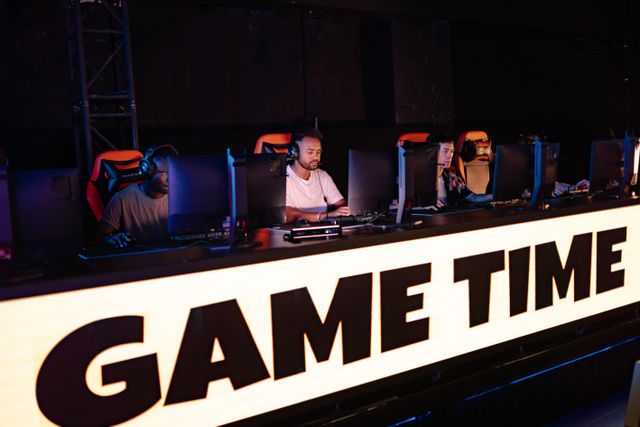
An esports arena is a venue designed to host competitive gaming events.
Unlike a traditional sports stadium, an esports venue needs specialized technology to support both players and spectators.
A typical arena may include:
- High-performance gaming computers or consoles
- Professional gaming peripherals
- Large LED displays
- High-speed network infrastructure
- Broadcast and streaming equipment
- Player areas and backstage facilities
- Spectator seating
- Lighting and audio systems
The design needs to work for two audiences at once: the players competing and the fans watching.
From Gaming Rooms to Major Venues
Early esports competitions were often held in relatively small gaming centers or convention spaces.
As competitive gaming audiences expanded, organizers began using larger theaters, arenas, and stadiums.
Dedicated venues can provide more consistent technical conditions and allow organizers to create an experience specifically designed for esports rather than adapting a conventional sports facility.
|
Arena Feature |
Purpose |
Benefit |
|
High-speed network |
Connect players to game servers |
Stable competitive environment |
|
Large displays |
Show gameplay and statistics |
Better spectator visibility |
|
Broadcast systems |
Produce live coverage |
Supports online audiences |
|
Player areas |
Prepare competitors |
Greater focus and privacy |
|
Spectator seating |
Accommodate fans |
Creates a live-event atmosphere |
|
Lighting and sound |
Enhance presentation |
More immersive experience |
Technology Is at the Center
A successful esports arena depends heavily on technology.
Network performance is particularly important. Competitive games require stable connections and low latency, so venues need carefully designed wired and wireless infrastructure.
Computers, monitors, peripherals, servers, power systems, and backup equipment also need to perform reliably throughout an event.
Even small technical problems can affect a live competition, which makes testing and redundancy essential.
Broadcasting Expands the Audience
An esports arena may physically hold thousands of spectators, but online broadcasts can reach a much larger audience.
Professional cameras, observers, commentators, replay systems, graphics, statistics, and streaming infrastructure turn gameplay into a broadcast product.
This means arena design increasingly needs to account for both the people in the building and viewers watching remotely.
The Spectator Experience
Watching esports live is different from watching a traditional sporting event.
Fans need to understand what is happening on screen, often across multiple players and perspectives.
Large displays, real-time statistics, replays, commentary, lighting, and sound can help make complex gameplay easier to follow.
Some venues may also include fan zones, merchandise areas, food and beverage spaces, gaming stations, or opportunities to meet players.
Arenas as Gaming Hubs
An esports arena does not have to operate only during major tournaments.
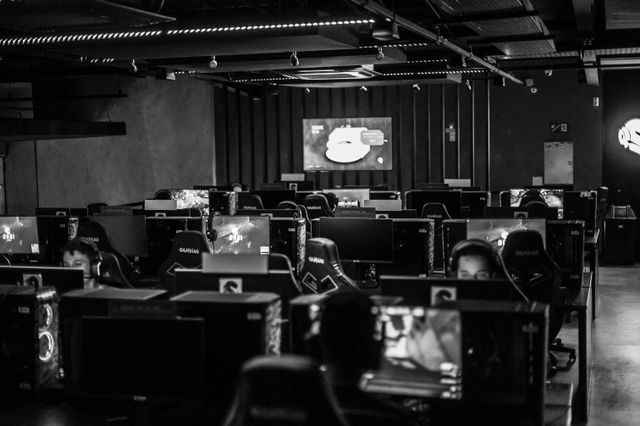
Some venues can function as broader gaming and entertainment centers, hosting amateur competitions, gaming events, training sessions, community activities, and corporate events.
This can give venues more opportunities to remain active between major tournaments.
Supporting Amateur and Grassroots Esports
Professional competitions receive much of the attention, but local gaming communities are important to the wider esports ecosystem.
Dedicated venues can provide places for amateur players to compete, practice, and meet other gamers.
Youth tournaments, university competitions, community leagues, and smaller events can help create pathways for players who eventually want to compete at higher levels.
The Future of Esports Venues
Future esports arenas may become increasingly flexible.
Instead of being designed around a single game or competition format, venues could support different games, VR experiences, traditional entertainment, streaming productions, and other digital events.
Technologies such as augmented reality, improved display systems, interactive spectator features, and more advanced broadcasting could also change how fans experience competitions.
The physical arena may become only one part of a much larger digital event.
Challenges for Arena Development
Building and operating a dedicated esports venue comes with challenges.
Technology changes quickly, so equipment can become outdated faster than traditional stadium infrastructure. Venues also need reliable internet connectivity, power systems, technical staff, security, and ongoing maintenance.
Audience demand can also vary significantly between games and events.
For this reason, flexible design and multiple revenue streams may become increasingly important.
Conclusion
Esports arenas represent the physical side of a rapidly evolving digital entertainment industry.
They combine gaming hardware, network infrastructure, broadcasting technology, live entertainment, and community spaces to create experiences that cannot be replicated entirely at home.
As competitive gaming develops, future arenas may become more flexible and increasingly connected to online audiences. The result could be a new generation of entertainment venues where physical and digital experiences exist side by side.
Frequently Asked Questions
No. Online competition remains an important part of esports. Physical arenas add a live component while broadcasts allow people outside the venue to participate as viewers.


Was This Article Helpful?
Click on a star to rate it!
Thank you for your vote!

Average Rating: 0/5 Votes: 0
Be the first to rate this post!

Proficient background in project planning, execution, and continuous improvement. Experienced in analyzing ideas and forecasting project success, defining requirements and timelines, and managing communication across cross-functional teams. Skilled in creating and maintaining project documentation, automating processes, and making data-driven decisions in critical situations.
View LinkedIn ProfileLatest Posts

Travel Photography Tips for Stunning Memories

The Rise of Cross-Platform Gaming
Esports Arenas and the Future of Competitive Gaming