Behind the Scenes of Major Esports Competitions: How Global Gaming Events Come Together
Esports competitions have grown from small gaming gatherings into massive international events featuring professional players, millions of viewers, and sophisticated production systems. Behind every major tournament is a complex operation involving athletes, organizers, technical teams, analysts, broadcasters, and countless support staff.
While fans see exciting matches on screen, the behind-the-scenes work is what makes these competitions possible.
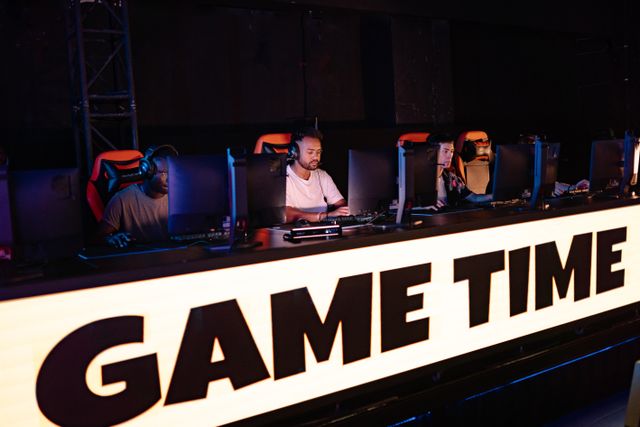
What Happens Behind a Major Esports Event?
A major esports competition requires months of preparation before players enter the arena.
Organizers manage:
- Tournament planning
- Venue preparation
- Technical infrastructure
- Broadcast production
- Player coordination
- Sponsorship arrangements
- Security and logistics
Every detail must work together to create a smooth experience for players and audiences.
Tournament Planning and Organization
Large esports events begin with detailed planning.
Organizers decide:
- Competition format
- Match schedules
- Qualification systems
- Venue requirements
- Audience experiences
They also coordinate with game developers, sponsors, teams, and broadcasting partners.
Successful tournaments require careful management similar to traditional sports events.
Professional Player Preparation
Esports athletes spend significant time preparing before competitions.
Training often includes:
- Practicing game mechanics
- Studying opponents
- Reviewing previous matches
- Developing team strategies
- Improving communication
Professional teams often have coaches and analysts who help players prepare mentally and strategically.
The Role of Coaches and Analysts
Behind many successful esports teams are specialists who study performance.
Analysts examine:
- Player statistics
- Opponent strategies
- Game trends
- Team weaknesses
- Match patterns
Coaches use this information to create strategies and help players improve.
|
Behind-the-Scenes Role |
Main Responsibility |
Contribution |
|
Tournament organizers |
Manage event operations |
Creates a professional competition |
|
Players and coaches |
Prepare strategies and skills |
Improves performance |
|
Broadcast teams |
Produce live coverage |
Engages global audiences |
|
Technical crews |
Maintain equipment and systems |
Ensures smooth matches |
|
Analysts |
Study gameplay data |
Supports strategic decisions |
Technology Behind Esports Production
Technology is the foundation of modern esports events.
Production teams manage:
- Gaming computers
- High-speed networks
- Match servers
- Streaming systems
- Player equipment
Even small technical problems can affect competitive fairness, so reliability is extremely important.
Broadcast Production
Esports broadcasts combine gaming with elements of traditional sports coverage.
Production teams handle:
- Live camera feeds
- Commentary
- Player interviews
- Graphics and statistics
- Replay systems
Commentators, often called casters, help explain the action and make matches engaging for viewers.
Designing the Player Environment
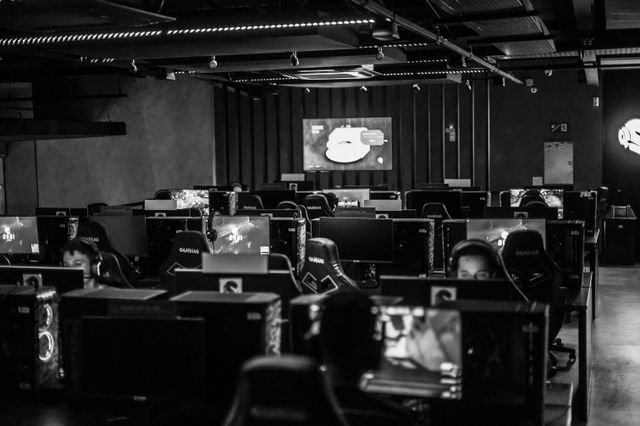
Professional tournaments create controlled environments to ensure fair competition.
Important factors include:
- Identical equipment
- Stable internet connections
- Comfortable seating
- Noise control
- Security measures
Players must compete under consistent conditions without outside interference.
The Importance of Game Developers
Game developers play a major role in esports ecosystems.
They often support competitions through:
- Tournament partnerships
- Game updates
- Competitive rule systems
- Professional leagues
Balancing the game is especially important because small changes can affect professional strategies.
Fan Experiences and Event Atmosphere
Major esports competitions are designed to entertain both online and in-person audiences.
Events may include:
- Live audiences
- Merchandise areas
- Meet-and-greet sessions
- Interactive activities
- Opening ceremonies
Creating a strong fan experience helps esports events feel like major sporting occasions.
Sponsorships and Business Operations
Esports competitions involve significant business planning.
Sponsors support events through:
- Financial partnerships
- Product promotions
- Branding opportunities
Revenue from sponsorships, broadcasting rights, tickets, and merchandise helps sustain the esports industry.
Security and Fair Play
Maintaining competitive integrity is a major priority.
Organizers use systems to prevent:
- Cheating
- Unauthorized software use
- Match manipulation
- Security threats
Fair competition is essential for maintaining trust among players and fans.
Challenges Behind Esports Events
Organizing major esports competitions comes with challenges.
Common difficulties include:
- Technical failures
- Scheduling across time zones
- Player pressure
- Cybersecurity risks
- Rapid changes in gaming technology
Teams must prepare for unexpected problems while maintaining a professional experience.
How Technology Is Changing Esports Events
New technologies continue to improve esports competitions.
Future developments may include:
- Advanced analytics
- Artificial intelligence coaching tools
- Virtual reality experiences
- Enhanced broadcast graphics
- More interactive viewing options
These innovations may make esports even more engaging for global audiences.
The Future of Major Esports Competitions
Esports is expected to continue expanding through:
- Larger international tournaments
- Improved production quality
- Greater mainstream recognition
- More professional training systems
- New digital entertainment formats
As the industry grows, the behind-the-scenes teams will become even more important.
Conclusion
Major esports competitions are much more than players sitting at computers and competing. They are complex productions that require teamwork between athletes, organizers, technology specialists, broadcasters, and business partners.
The excitement fans experience comes from careful planning, advanced technology, and the dedication of thousands of people working behind the scenes. As esports continues to grow, these unseen efforts will remain essential to creating world-class gaming events.
Frequently Asked Questions
Future esports events will likely include better technology, more immersive broadcasts, and larger global audiences.


Was This Article Helpful?
Click on a star to rate it!
Thank you for your vote!

Average Rating: 0/5 Votes: 0
Be the first to rate this post!

Proficient background in project planning, execution, and continuous improvement. Experienced in analyzing ideas and forecasting project success, defining requirements and timelines, and managing communication across cross-functional teams. Skilled in creating and maintaining project documentation, automating processes, and making data-driven decisions in critical situations.
View LinkedIn ProfileLatest Posts

How Individuals Can Support Animal Protection: Simple Actions That Create Change

The Role of Consumers in Sustainability: How Everyday Choices Can Create Change

Human Rights Challenges in Conflict Zones: Protecting People During Crisis