Traditional Cultural Events Preserved Through Generations: Keeping Heritage Alive
Traditional cultural events are powerful expressions of history, identity, and community values. Passed down from one generation to the next, these celebrations preserve stories, beliefs, customs, music, food, clothing, and artistic practices that connect people with their heritage.
Even as societies modernize, traditional events continue to play an important role in maintaining cultural identity and bringing communities together.
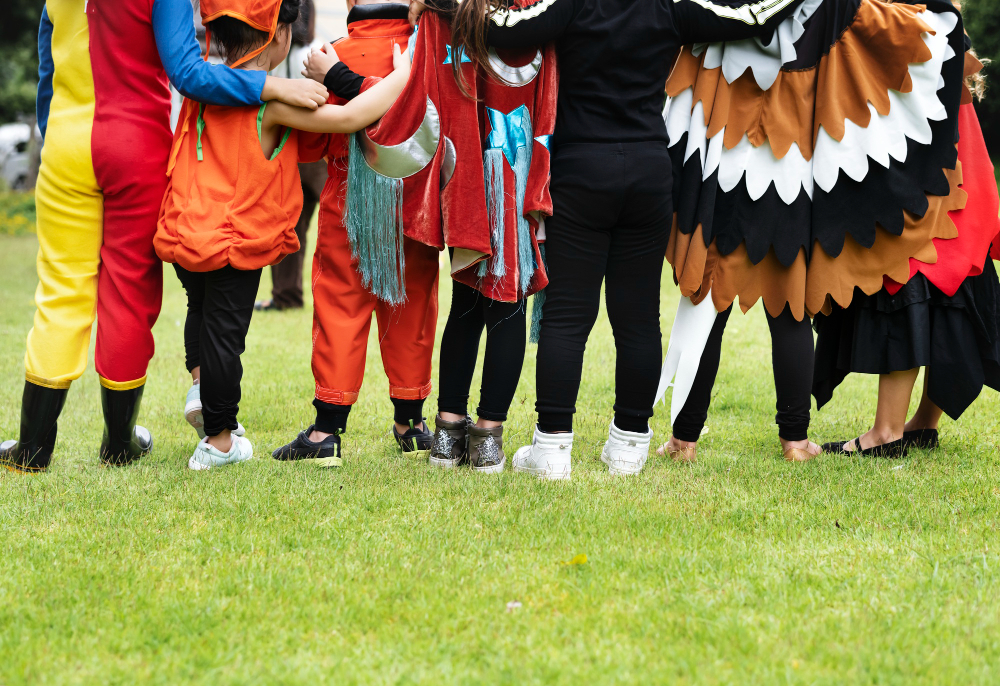
What Are Traditional Cultural Events?
Traditional cultural events are celebrations, ceremonies, or gatherings that reflect the customs and history of a particular community.
They often include:
- Religious or seasonal celebrations
- Traditional dances and music
- Cultural performances
- Local crafts and artwork
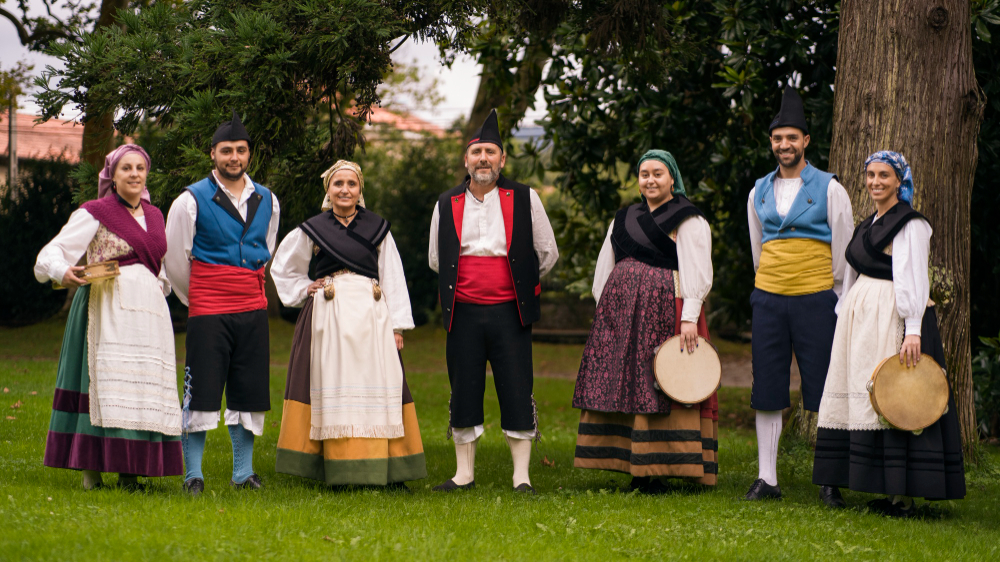
- Traditional clothing
- Special foods and rituals
These events provide a way for communities to share their values and history with younger generations.
The Importance of Preserving Cultural Traditions
Cultural events help preserve important aspects of a community’s identity.
They contribute by:
- Protecting historical knowledge
- Strengthening community connections
- Teaching younger generations
- Supporting local artists and craftspeople
- Encouraging cultural diversity
Without preservation efforts, many unique traditions could gradually disappear.
Festivals That Celebrate Heritage
Festivals are among the most visible forms of cultural preservation.
They often bring communities together through:
- Music performances
- Traditional dances
- Public ceremonies
- Storytelling
- Cultural exhibitions
These gatherings allow people to experience traditions in meaningful and memorable ways.
Traditional Music and Dance
Music and dance are essential parts of many cultural events.
They preserve:
- Historical stories
- Community values
- Traditional rhythms
- Artistic techniques
Performances often teach younger generations about their ancestors and cultural roots.
Traditional Food and Culinary Practices
Food traditions are another important part of cultural heritage.
Cultural events often feature:
- Traditional recipes
- Local ingredients
- Cooking demonstrations
- Shared community meals
Food connects generations by preserving knowledge passed down through families.
Traditional Clothing and Crafts
Clothing, handmade items, and crafts often represent a community’s history.
Artisans preserve traditions through:
- Weaving
- Embroidery
- Pottery
- Woodworking
- Jewelry making
These skills are often taught through families, workshops, and cultural organizations.
|
Cultural Element |
How It Is Preserved |
Importance |
|
Music and dance |
Performances and teaching programs |
Maintains cultural expression |
|
Traditional food |
Family recipes and festivals |
Preserves culinary heritage |
|
Clothing and crafts |
Artisan training and exhibitions |
Protects traditional skills |
|
Storytelling |
Oral traditions and cultural events |
Keeps history alive |
|
Rituals and ceremonies |
Community participation |
Strengthens identity |
Storytelling and Oral Traditions
Before written records became common, many communities preserved history through storytelling.
Oral traditions pass down:
- Legends
- Family histories
- Moral lessons
- Cultural beliefs
Traditional events often provide spaces where these stories continue to be shared.
The Role of Families in Cultural Preservation
Families play a major role in keeping traditions alive.
Parents and elders often teach younger generations:
- Traditional practices
- Language
- Songs
- Recipes
- Ceremonies
Personal connections make cultural knowledge more meaningful and lasting.
The Role of Communities and Organizations
Community groups help protect traditions by organizing events and educational programs.
Their efforts may include:
- Cultural festivals
- Workshops
- Museums
- Heritage projects
- Youth programs
These initiatives ensure traditions continue beyond individual families.
Technology and Modern Cultural Preservation
Technology has created new ways to document and share cultural traditions.
Digital tools help preserve:
- Historical photographs
- Traditional music recordings
- Cultural documentaries
- Online archives
- Virtual events
Social media and digital platforms also allow younger generations to engage with heritage in new ways.
Challenges in Preserving Traditional Events
Traditional cultural events face several challenges.
Common concerns include:
- Globalization and cultural change
- Declining participation among younger people
- Loss of traditional skills
- Limited funding
- Commercialization of cultural practices
Preservation requires balancing respect for tradition with adaptation to modern life.
Why Younger Generations Matter
Young people are essential to the survival of cultural traditions.
They help by:
- Learning traditional practices
- Participating in events
- Sharing culture through modern platforms
- Combining heritage with new ideas
When younger generations participate, traditions remain active rather than becoming only historical memories.
Cultural Events as a Bridge Between Past and Future
Traditional events connect generations by combining history with present-day experiences.
They allow communities to:
- Honor ancestors
- Celebrate identity
- Share knowledge
- Build stronger relationships
These events show that traditions can evolve while maintaining their core meaning.
The Future of Cultural Preservation
Future preservation efforts may include:
- Digital archives
- International cultural exchanges
- Educational programs
- Youth-focused initiatives
- Sustainable tourism projects
Technology and community involvement will continue to play important roles in protecting cultural heritage.
Conclusion
Traditional cultural events preserved through generations represent the shared memories, creativity, and identity of communities around the world. Through festivals, music, food, crafts, and storytelling, these traditions continue to connect people with their past while inspiring future generations.
Preserving cultural events is not only about protecting history—it is about keeping living traditions meaningful and allowing diverse cultures to continue enriching the world.
Frequently Asked Questions
Young people can participate in cultural events, learn traditional skills, and share heritage through modern communication tools.


Was This Article Helpful?
Click on a star to rate it!
Thank you for your vote!

Average Rating: 0/5 Votes: 0
Be the first to rate this post!

Expert in backend development and database architecture. Specializes in building, optimizing, and maintaining scalable PHP applications, designing efficient database structures, and ensuring data integrity and performance. Experienced in working with relational databases, writing optimized queries, and integrating backend systems with APIs and business logic to support reliable, high-performance web solutions.
View LinkedIn ProfileLatest Posts
How Individuals Can Support Animal Protection: Simple Actions That Create Change

The Role of Consumers in Sustainability: How Everyday Choices Can Create Change
Human Rights Challenges in Conflict Zones: Protecting People During Crisis