How Technology Is Transforming Cultural Experiences
Technology is changing the way people experience culture. Museums offer virtual tours, historical sites use augmented reality to bring the past to life, and digital platforms allow audiences to explore music, art, and traditions from around the world. Experiences that once required traveling to a particular location can now be accessed from a computer or smartphone.
These developments are making cultural experiences more interactive and accessible. At the same time, they raise important questions about authenticity, privacy, digital access, and the preservation of traditional practices.
Understanding how technology is transforming culture helps explain how people connect with history, creativity, and communities in an increasingly digital world.
Virtual Museums and Digital Exhibitions
Museums and galleries are using digital tools to reach audiences beyond their physical locations. Online collections, virtual tours, and high-resolution images allow people to explore artworks and historical objects without visiting in person.
Digital exhibitions can also provide additional context through videos, audio guides, interactive timelines, and expert commentary. Visitors can learn about an object's history, its creator, and the cultural environment in which it was produced.
These tools are especially useful for people who live far from major museums or have mobility limitations. Teachers can also use online collections to introduce students to artworks and historical artifacts that may not be available locally.
However, a digital exhibition cannot fully reproduce the experience of standing before an original artwork or moving through a historic building. Screen-based experiences are best viewed as an additional way to explore cultural collections rather than a complete replacement for in-person visits.
Augmented Reality and Virtual Reality
Augmented reality (AR) and virtual reality (VR) are creating new ways to interact with cultural heritage.
AR adds digital information to a view of the real world, often through a smartphone or tablet. At a historical site, visitors might see a reconstruction of a building that no longer exists or access information about an ancient structure by pointing their device at it.
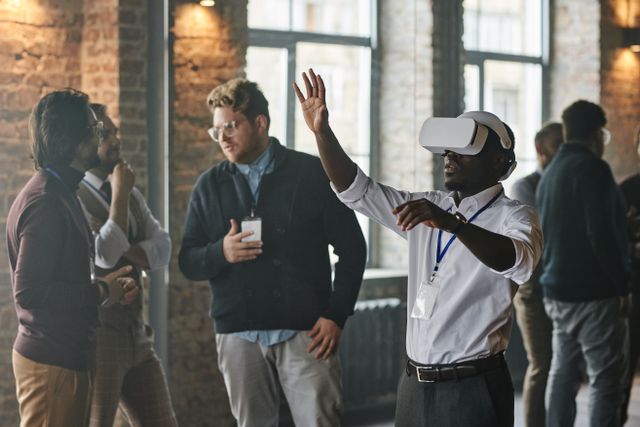
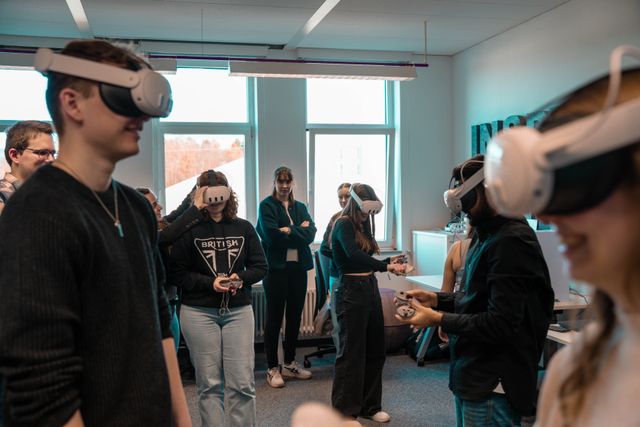
VR creates an immersive digital environment that users can explore with a headset or compatible device. Museums and cultural organizations can use it to recreate historical settings, simulate archaeological discoveries, or provide virtual access to locations that are difficult to reach.
These technologies can make complex subjects easier to understand by combining visual information with storytelling.
For example, a virtual reconstruction of an ancient city may help visitors understand how its buildings were arranged and how people used public spaces. However, reconstructions should clearly distinguish historical evidence from artistic interpretation so that audiences do not mistake an approximation for a verified representation.
Digital Platforms and the Global Spread of Culture
Digital platforms have made it easier for people to discover cultural content from different countries and communities. Music streaming services, video platforms, online archives, and social networks introduce audiences to films, literature, cuisine, traditional crafts, and artistic movements they might not encounter otherwise.
Independent artists can also share their work with international audiences without relying entirely on traditional distribution channels. Musicians can publish recordings online, filmmakers can release independent productions, and craftspeople can demonstrate traditional techniques through video tutorials.
This broader access encourages cultural exchange and helps smaller communities reach people beyond their local area.
However, digital discovery is often shaped by recommendation algorithms, popularity rankings, and commercial priorities. These systems may repeatedly promote familiar content while making less widely known cultural traditions harder to find.
Cultural organizations and audiences can help address this imbalance by supporting independent creators, exploring diverse sources, and seeking out material beyond trending content.
How Technology Helps Preserve Cultural Heritage
Technology plays an important role in documenting and preserving cultural heritage. Digital archives can store photographs, historical documents, recordings, and other materials that might otherwise deteriorate or become difficult to access.
Three-dimensional scanning can create detailed digital models of sculptures, monuments, and archaeological objects. These models can support research, education, restoration planning, and public access.
Audio and video recordings also help preserve languages, oral histories, traditional music, and community knowledge. Digital documentation can be especially valuable when a language or cultural practice is at risk of disappearing.
|
Technology |
Cultural Application |
Main Benefit |
|
Digital archives |
Historical documents, photographs, and recordings |
Easier preservation and access |
|
3D scanning |
Artifacts, sculptures, and monuments |
Detailed digital documentation |
|
Augmented reality |
Historical sites and museum exhibits |
Contextual information in real-world settings |
|
Virtual reality |
Historical reconstructions and virtual visits |
Immersive exploration |
|
Audio and video recording |
Oral histories, languages, and traditional performances |
Documentation of living cultural practices |
|
Artificial intelligence |
Search, transcription, translation, and cataloging |
Faster discovery and organization of collections |
Digital preservation still requires long-term planning. Files need maintenance, formats may become obsolete, and organizations must manage backups and data security.
There are also ethical considerations. Communities should have a say in how sacred objects, sensitive traditions, and culturally significant knowledge are recorded, shared, and used.
The Role of Artificial Intelligence in Cultural Experiences
Artificial intelligence is introducing new ways to explore cultural collections and personalize learning.
AI-powered tools can help museums organize large archives, generate searchable transcripts of audio recordings, translate selected materials, and provide visitors with information tailored to their interests.
For example, a digital museum guide might explain the same artwork differently for a school student, an art history student, or a visitor who wants a brief overview.
AI can also support the restoration and analysis of historical materials, although its results need expert review. Generated reconstructions and translations may contain errors, omit important context, or present uncertain interpretations as facts.
Another challenge involves training data and cultural representation. If an AI system has limited information about a particular community, its explanations may overlook local perspectives or reinforce stereotypes.
The most responsible approach combines technological assistance with the knowledge of historians, curators, artists, and the communities whose culture is being represented.
Technology and Live Cultural Events
Technology is also changing how people participate in concerts, festivals, theater performances, and traditional celebrations.
Live streaming allows audiences to watch events remotely, while digital ticketing and event applications can simplify registration and provide schedules, maps, and practical information.
Interactive installations may invite visitors to influence visual effects, contribute digital artwork, or participate in collaborative performances. Some events combine physical attendance with online participation, allowing people in different locations to share parts of the same experience.
These developments can increase reach and create new opportunities for performers and organizers. They can also help people participate when travel, cost, or accessibility barriers make attendance difficult.
Nevertheless, digital participation does not always reproduce the atmosphere of a live event. The shared physical space, spontaneous interactions, and local traditions surrounding a performance may be difficult to recreate online.
Organizers should consider digital access a complement to live participation while ensuring that new technologies do not exclude audiences who lack reliable internet access or suitable devices.
Challenges of Digital Cultural Experiences
Although technology offers many benefits, its use in cultural settings requires careful planning.
The Digital Divide
Not everyone has access to reliable internet, modern devices, or the digital skills needed to use online cultural services. Cultural organizations should provide accessible websites, clear navigation, captions, and alternatives for visitors who cannot use certain technologies.
Authenticity and Historical Accuracy
Virtual reconstructions and AI-generated images can make historical scenes more engaging, but they may also introduce unsupported details. Organizations should explain which elements are based on historical evidence and which are interpretive.
Privacy and Data Collection
Interactive exhibits and mobile applications may collect information about visitors' behavior or preferences. Cultural institutions should explain what data they collect, why they collect it, and how it is protected.
Commercialization and Cultural Ownership
Digital platforms make cultural material easier to distribute, but they can also create disputes over copyright, compensation, and ownership. Recording or sharing traditional knowledge without community consent may cause harm even when the technology itself works as intended.
Addressing these issues helps ensure that technological innovation supports cultural understanding rather than undermining trust.
Conclusion
Technology is transforming cultural experiences by making art, history, music, and heritage easier to discover and explore. Virtual exhibitions, immersive technologies, digital archives, and AI-powered tools create new opportunities for education, preservation, and international exchange.
At the same time, digital experiences cannot replace every aspect of cultural participation. Authenticity, human connection, accessibility, and community ownership remain essential.
The most effective use of technology combines digital innovation with responsible interpretation and respect for cultural traditions. When used thoughtfully, technology can help preserve cultural knowledge, introduce new audiences to diverse perspectives, and create meaningful connections between the past and the present.
Frequently Asked Questions
Digital experiences are more likely to complement than completely replace physical visits and live events. Online tools can expand access and provide additional information, while in-person experiences offer direct encounters with objects, places, performers, and communities.


Was This Article Helpful?
Click on a star to rate it!
Thank you for your vote!
Average Rating: 0/5 Votes: 0
Be the first to rate this post!

Strong engineering background in mobile and backend development. Focusing on building scalable products, improving development processes — from architecture and APIs to UX redesigns, monetization, and analytics. Responsible for applications with 1M+ downloads and multi-project ecosystems.
View LinkedIn ProfileLatest Posts

Lifestyle Design for Personal Freedom

Outdoor DIY Projects for Your Backyard
Fashion Weeks and Their Cultural Impact