Article Plan
Cultural Festivals That Celebrate Global Diversity
Cultural festivals are more than just celebrations, they are vibrant expressions of heritage, tradition, and community. Across the globe, these festivals bring people together, showcase unique art forms, music, dance, cuisine, and foster cross-cultural understanding. They remind us that diversity isn’t just something to acknowledge, it’s something to celebrate.
Here’s a closer look at cultural festivals that highlight the richness of global diversity.
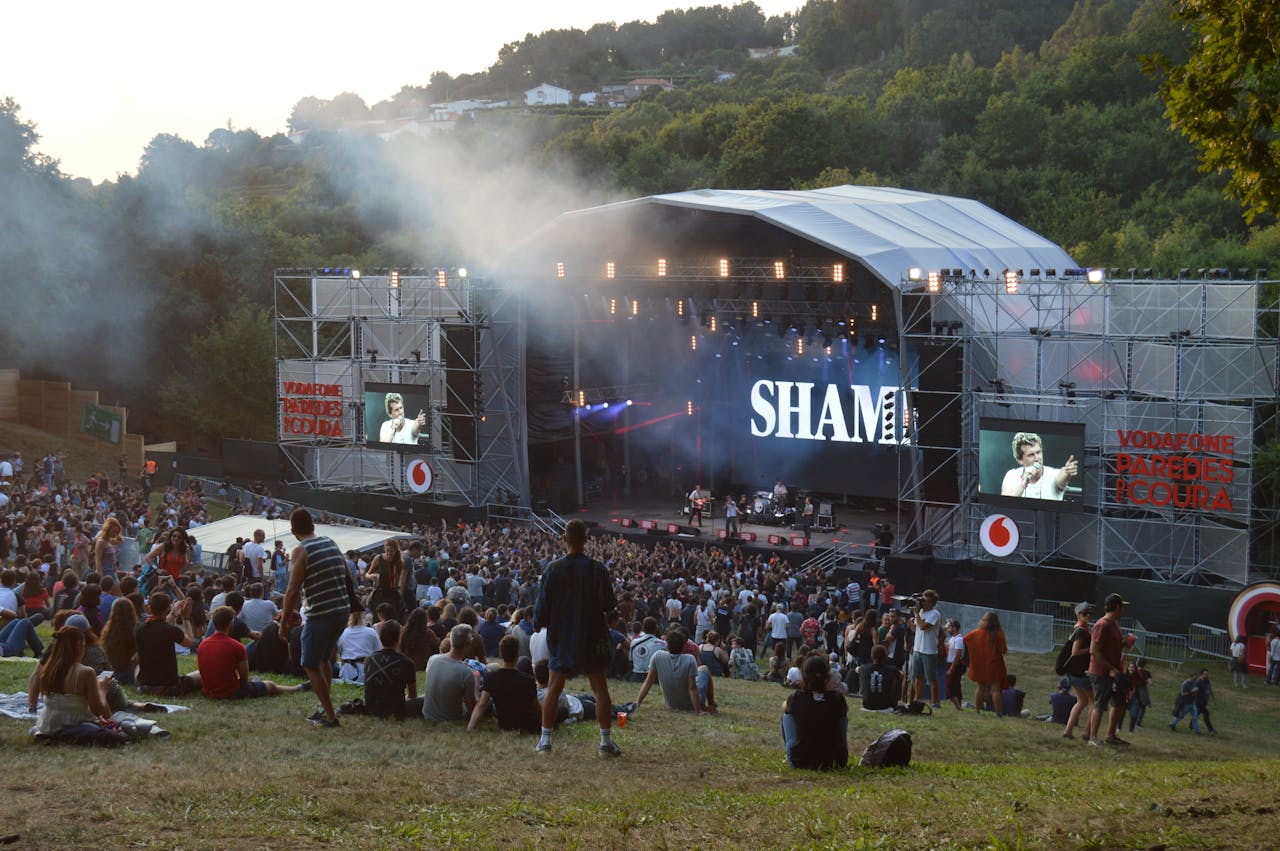
Music and Dance Festivals
Music and dance are universal languages that transcend borders. Festivals celebrating these art forms include:
- Carnival in Brazil: A dazzling mix of samba, costumes, and street parades, embodying Brazilian culture and joy.
- Glastonbury Festival, UK: Although primarily a music festival, it brings together performers from all over the world, highlighting diverse musical traditions.
- Diwali Dance Celebrations, India & Abroad: Beyond the festival of lights, Diwali features traditional dance performances and music, uniting communities worldwide.
These festivals highlight cultural expression through rhythm, movement, and creativity.
Food Festivals Around the World
Cuisine is a delicious window into culture. Food festivals allow people to taste the traditions of different communities:
- Oktoberfest, Germany: Celebrates Bavarian heritage with beer, pretzels, and folk music.
- La Tomatina, Spain: A playful tomato-throwing festival with deep roots in Spanish tradition.
- International Street Food Festivals: Found in cities like Singapore, New York, and London, these festivals showcase flavors from multiple countries, encouraging culinary exploration.
Food festivals are not just about eating, they are a celebration of identity, history, and social connection.
Table: Global Cultural Festival Highlights
| Festival |
Location
|
|
Cultural Significance
|
|
Carnival |
Brazil |
Samba parades, costumes, music |
Celebrates Brazilian heritage and joy |
|
Oktoberfest |
Germany |
Beer, traditional music, food |
Bavarian traditions and communal celebration |
|
Holi |
India |
Colored powders, dance, music |
Marks the arrival of spring, unity |
|
Chinese New Year |
Worldwide | Dragon dances, fireworks, feasts |
Lunar new year celebrations, cultural continuity |
|
Edinburgh Fringe Festival |
Scotland |
Theater, comedy, performance art |
Showcases international performing arts |
Religious and Spiritual Festivals
Religious festivals often bring together large communities to celebrate faith, rituals, and spiritual traditions:
- Holi in India: Known as the festival of colors, Holi celebrates the triumph of good over evil and brings people together regardless of social status.
- Eid al-Fitr: Celebrated by Muslims worldwide, marking the end of Ramadan with communal prayers and festive meals.
- Passover, Hanukkah, and Diwali: These festivals honor spiritual traditions while fostering family and community bonds.
Spiritual festivals provide a sense of belonging and cultural continuity.
Arts and Cultural Heritage Festivals
Many festivals focus on preserving and showcasing traditional arts:
- Edinburgh Fringe Festival (Scotland): Features theater, comedy, and performance art from global artists.
- Venice Biennale (Italy): A premier exhibition of visual arts attracting creators from across the world.
- Festival of Pacific Arts: Rotates among Pacific nations, celebrating indigenous art, music, and dance.
These events bridge past and present, highlighting the global mosaic of artistic expression.
How Festivals Promote Cultural Exchange
Cultural festivals do more than entertain, they foster understanding and appreciation across borders:
- They create opportunities for people to experience traditions outside their own culture.
- Artists and performers collaborate internationally, blending influences and ideas.
- Festivals promote tourism, support local economies, and encourage cultural preservation.
By engaging with different cultures, festivals strengthen global connections and mutual respect.
Conclusion
Cultural festivals are living expressions of diversity, celebrating heritage, creativity, and community. From music and dance to food, spiritual rituals, and artistic showcases, these events remind us of the beauty of human creativity and the power of shared experiences.
The takeaway: attending or learning about cultural festivals allows us to honor global diversity, deepen understanding, and celebrate the world’s vibrant traditions.
Frequently Asked Questions about Cultural Festivals Celebrating Diversity
Through performances, workshops, food, and shared experiences, festivals allow people to learn about and appreciate different cultures.


Was This Article Helpful?
Click on a star to rate it!
Thank you for your vote!

Average Rating: 4.7/5 Votes: 31
Be the first to rate this post!

Proficient background in project planning, execution, and continuous improvement. Experienced in analyzing ideas and forecasting project success, defining requirements and timelines, and managing communication across cross-functional teams. Skilled in creating and maintaining project documentation, automating processes, and making data-driven decisions in critical situations.
View LinkedIn ProfileLatest Posts

How Individuals Can Support Animal Protection: Simple Actions That Create Change
The Role of Consumers in Sustainability: How Everyday Choices Can Create Change
Human Rights Challenges in Conflict Zones: Protecting People During Crisis