Cultural Events That Attract International Visitors
Travelers often want more than famous landmarks and beautiful scenery. They also want to experience how a place celebrates its history, traditions, music, food, art, and community.
Cultural events can provide exactly that experience. Festivals, traditional celebrations, film events, art exhibitions, concerts, and heritage gatherings can attract visitors from around the world while giving destinations a distinctive identity.
For many travelers, an event itself can become the reason to choose a particular destination.
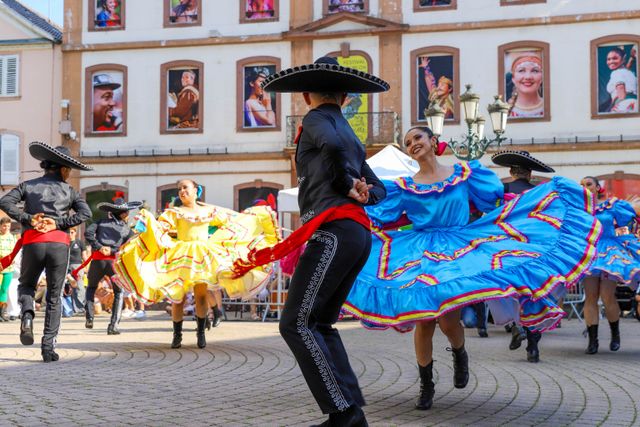
Why Cultural Events Attract Travelers
Cultural events offer something that ordinary sightseeing cannot always provide: a sense of participation.
A visitor can watch a traditional performance, taste local food, listen to regional music, or take part in a public celebration.
These experiences can make a destination feel more personal and memorable.
Several factors make cultural events particularly attractive:
- Unique local traditions
- Internationally recognized performers or artists
- Historical significance
- Local food and crafts
- Seasonal experiences
- Opportunities for social interaction
- Special events that happen only once a year
Music Festivals
Music festivals are among the most effective cultural events for attracting international audiences.
Large festivals can bring together performers from multiple countries while creating a reason for fans to travel specifically for the event.
Smaller regional festivals can be just as meaningful. They may focus on traditional music, local instruments, folk performances, or specific musical genres.
The surrounding destination also benefits when visitors stay in hotels, eat at restaurants, use local transportation, and explore nearby attractions.
Film Festivals
Film festivals attract audiences interested in cinema, filmmaking, and cultural exchange.
Major events can bring together directors, actors, critics, producers, and film enthusiasts from different countries.
Beyond screenings, festivals may offer workshops, discussions, exhibitions, and networking opportunities.
For destinations, film events can also strengthen a city's cultural identity and international visibility.
Traditional and Heritage Festivals
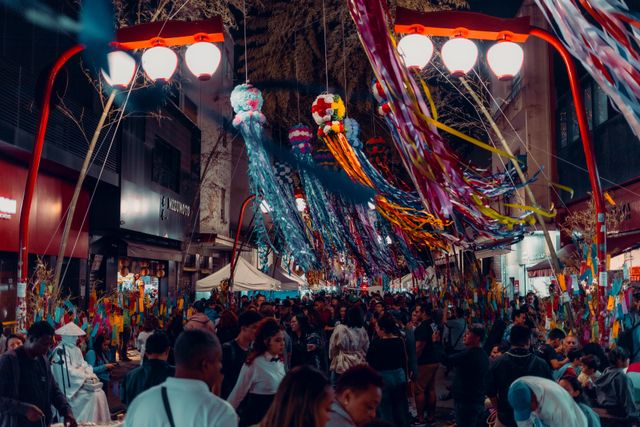
Traditional festivals allow visitors to experience customs that may not be visible during an ordinary trip.
These events can include traditional clothing, dances, ceremonies, crafts, food, music, and historical reenactments.
|
Event Type |
What Visitors Experience |
Why It Can Attract International Travelers |
|
Music festival |
Live performances and local culture |
Combines entertainment with travel |
|
Film festival |
Screenings and industry events |
Attracts international film audiences |
|
Food festival |
Regional cuisine and products |
Offers hands-on cultural experiences |
|
Heritage festival |
Traditions and historical activities |
Connects visitors with local history |
|
Art biennial |
Exhibitions and contemporary art |
Draws artists, collectors, and enthusiasts |
|
Cultural celebration |
Music, rituals, and community activities |
Provides an authentic local experience |
When presented respectfully, these events can help preserve cultural traditions while introducing them to new audiences.
Food Festivals and Culinary Tourism
Food is often one of the easiest ways for travelers to connect with a culture.
Food festivals can showcase regional ingredients, traditional recipes, local producers, cooking demonstrations, and contemporary interpretations of national cuisine.
Visitors may also extend their trip by visiting restaurants, markets, farms, wineries, or food-producing regions.
This creates a connection between a single event and the wider local tourism economy.
Art Biennials and Exhibitions
Large-scale art events can attract international visitors who travel specifically to see exhibitions, installations, and performances.
Biennials and major art festivals can also provide opportunities for local artists to interact with international creative communities.
Cities that already have galleries, museums, historic architecture, and cultural institutions can build broader tourism experiences around these events.
Cultural Events and Local Economies
International visitors can generate economic activity beyond the event itself.
They may spend money on:
- Hotels and accommodation
- Restaurants and cafes
- Local transportation
- Museums and attractions
- Souvenirs and crafts
- Tours and experiences
Event organizers and tourism authorities can strengthen these effects by promoting local businesses and encouraging visitors to explore beyond the main venue.
Digital Promotion Expands Global Reach
Social media and online video have made it easier for cultural events to reach audiences around the world.
Short videos, photographs, artist interviews, event websites, and visitor-generated content can introduce a festival to people who have never visited the destination.
Online promotion can also help travelers plan accommodation, transportation, tickets, and activities in advance.
Keeping Cultural Tourism Authentic
International popularity can create challenges.
An event that changes too much to satisfy tourists may gradually lose some of the qualities that made it attractive in the first place.
Organizers can balance tourism goals with local participation by involving communities in planning, respecting traditions, supporting local businesses, and managing visitor numbers when necessary.
Cultural tourism works best when visitors are welcomed into a living culture rather than presented with a completely manufactured experience.
Conclusion
Cultural events can turn a destination into an experience rather than simply a place to visit.
Music festivals, film events, food celebrations, heritage festivals, and art exhibitions give international travelers opportunities to connect with local traditions and creative communities.
When tourism development respects local culture and benefits the communities involved, cultural events can attract visitors while strengthening the identity and economy of the destination.
Frequently Asked Questions
Organizers can involve local communities, support local businesses and artists, respect cultural traditions, and balance visitor demand with the needs of residents.


Was This Article Helpful?
Click on a star to rate it!
Thank you for your vote!

Average Rating: 0/5 Votes: 0
Be the first to rate this post!

Expert in backend development and database architecture. Specializes in building, optimizing, and maintaining scalable PHP applications, designing efficient database structures, and ensuring data integrity and performance. Experienced in working with relational databases, writing optimized queries, and integrating backend systems with APIs and business logic to support reliable, high-performance web solutions.
View LinkedIn ProfileLatest Posts
Travel Photography Tips for Stunning Memories

The Rise of Cross-Platform Gaming

Esports Arenas and the Future of Competitive Gaming