Teamwork Lessons Learned From Sports: What Games Teach Us About Working Together
Sports are more than just competition, trophies, and scores. They are powerful classrooms for life. Whether it’s football, basketball, volleyball, or cricket, every game teaches lessons about teamwork that go far beyond the field.
In fact, some of the best principles of collaboration in life and work come directly from sports.
Let’s explore what sports can teach us about building stronger teams.
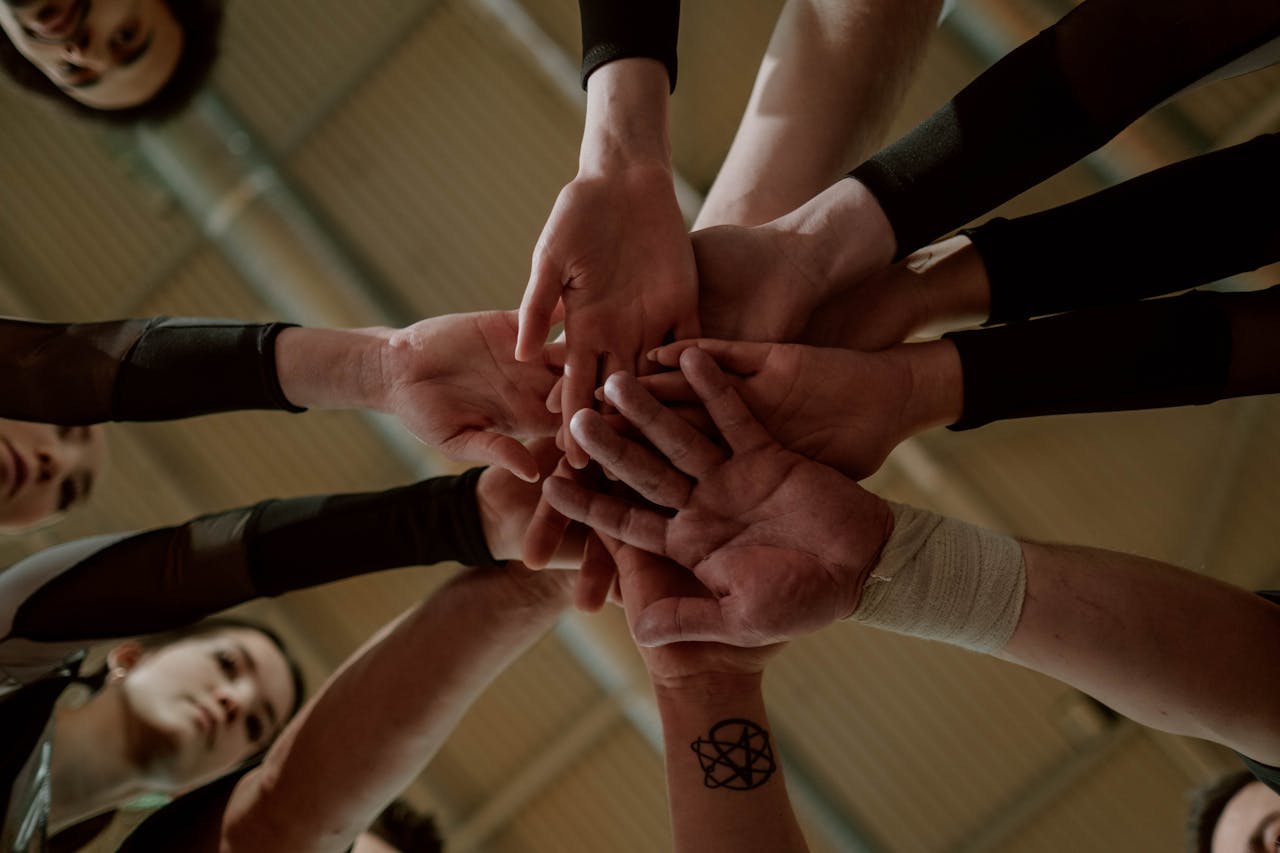
Why Sports Are the Perfect Example of Teamwork
In sports, individual talent matters—but it’s never enough.
Even the most skilled player cannot win alone. Success depends on:
- Coordination
- Communication
- Trust
- Shared goals
Think of a team like a puzzle. Each player is a piece, and only when they fit together does the picture become complete.
Communication Is Everything
One of the biggest lessons from sports is clear communication.
On the field, players constantly:
- Call out plays
- Signal movements
- Give quick feedback
- Warn teammates of danger
Without communication, even the strongest teams fall apart.
It’s the same in real life—silent teams often struggle, while communicating teams thrive.
Trust Your Teammates
No player can do everything alone. That’s why trust is essential.
In sports, trust means:
- Passing the ball instead of holding it too long
- Relying on others to do their roles
- Believing in team strategies
When trust is strong, players perform confidently without hesitation.
It’s like driving a car—you trust each part to do its job so the whole system works smoothly.
Table: Solo Mindset vs Team Mindset in Sports
|
Situation |
Solo Mindset |
Team Mindset |
|
Decision-making |
Acts alone |
Consults team |
|
Mistakes |
Blames others |
Learns together |
|
Success |
Individual focus |
Shared achievement |
|
Communication |
Limited |
Constant |
|
Outcome |
Inconsistent |
Stronger performance |
Everyone Has a Role
In every sport, each player has a specific role.
For example:
- Defenders protect
- Midfielders connect play
- Attackers score points
No role is more important than another—they all depend on each other.
This teaches a simple truth: teamwork works best when everyone understands their responsibility.
Adaptability Wins Games
No match goes exactly as planned. Teams must adapt quickly.
Sports teach players to:
- Adjust strategies mid-game
- Respond to unexpected situations
- Stay calm under pressure
Flexibility often separates good teams from great ones.
Life and work are the same—plans change, and adaptable teams succeed.
Handling Wins and Losses Together
Sports are full of highs and lows.
A strong team:
- Celebrates victories together
- Learns from defeats together
- Avoids blaming individuals
- Focuses on improvement
This builds emotional resilience and unity.
Winning feels better when shared—and losing feels lighter when faced together.
Leadership Makes a Difference
Every successful team has leadership, whether formal or informal.
Good leaders in sports:
- Motivate teammates
- Stay calm under pressure
- Make quick decisions
- Support others during setbacks
But leadership isn’t just one person—it can come from anyone who steps up when needed.
Practice Builds Chemistry
Teams don’t become great overnight.
They improve through:
- Repeated practice
- Understanding each other’s style
- Building rhythm and timing
Chemistry is what turns a group of individuals into a unified team.
It’s like learning a dance—everyone must move in sync.
Table: Key Teamwork Lessons From Sports
|
Lesson |
What It Teaches |
|
Communication |
Stay connected and clear |
|
Trust |
Rely on teammates |
|
Roles |
Everyone contributes differently |
|
Adaptability |
Adjust to change quickly |
|
Resilience |
Handle wins and losses together |
|
Leadership |
Guide and support the team |
|
Practice |
Build consistency and chemistry |
Respect Strengthens the Team
Respect is the invisible glue in every strong team.
It shows up as:
- Listening to coaches
- Valuing teammates’ efforts
- Accepting different skills and styles
Without respect, teamwork breaks down quickly—even if talent is high.
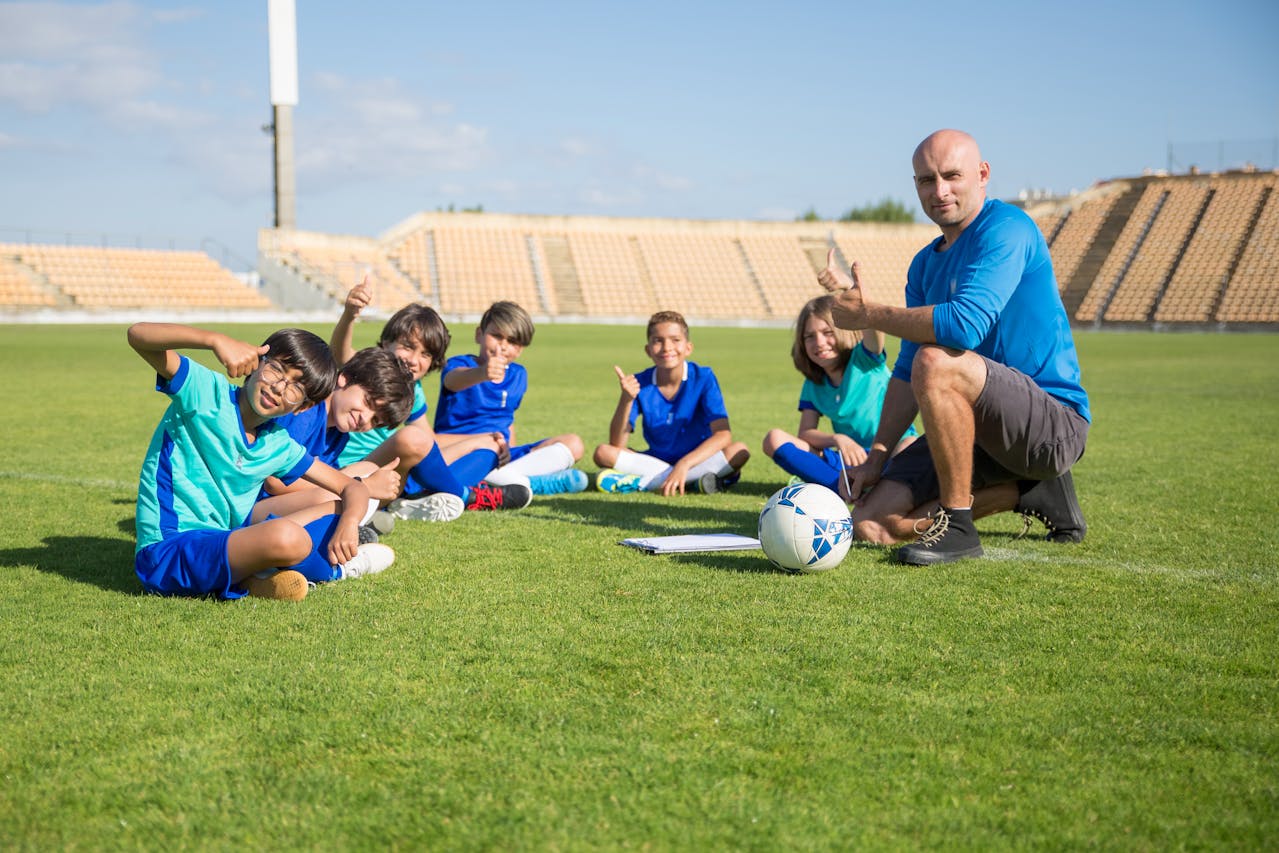
Conclusion
Sports are one of the best real-life teachers of teamwork. They show us that success is not about individual brilliance alone, but about how well people work together toward a shared goal.
Communication, trust, roles, adaptability, and respect are not just sports lessons—they are life skills.
Whether on the field or in everyday life, great teams don’t just play together—they grow together.
FAQ: Teamwork Lessons Learned From Sports
Yes, they apply directly to school, work, and personal relationships.


Was This Article Helpful?
Click on a star to rate it!
Thank you for your vote!

Average Rating: 0/5 Votes: 0
Be the first to rate this post!

Latest Posts
How Individuals Can Support Animal Protection: Simple Actions That Create Change

The Role of Consumers in Sustainability: How Everyday Choices Can Create Change

Human Rights Challenges in Conflict Zones: Protecting People During Crisis