Training Tips for Athletes in Individual Sports: Build Strength, Skill, and Discipline
Individual sports like tennis, swimming, boxing, athletics, and gymnastics demand a different kind of mindset. Unlike team sports, success depends entirely on you—your preparation, your discipline, and your consistency.
That’s exciting, but also challenging. There’s no one to rely on when motivation drops or mistakes happen.
So how do top athletes stay sharp and improve consistently? Let’s break it down.
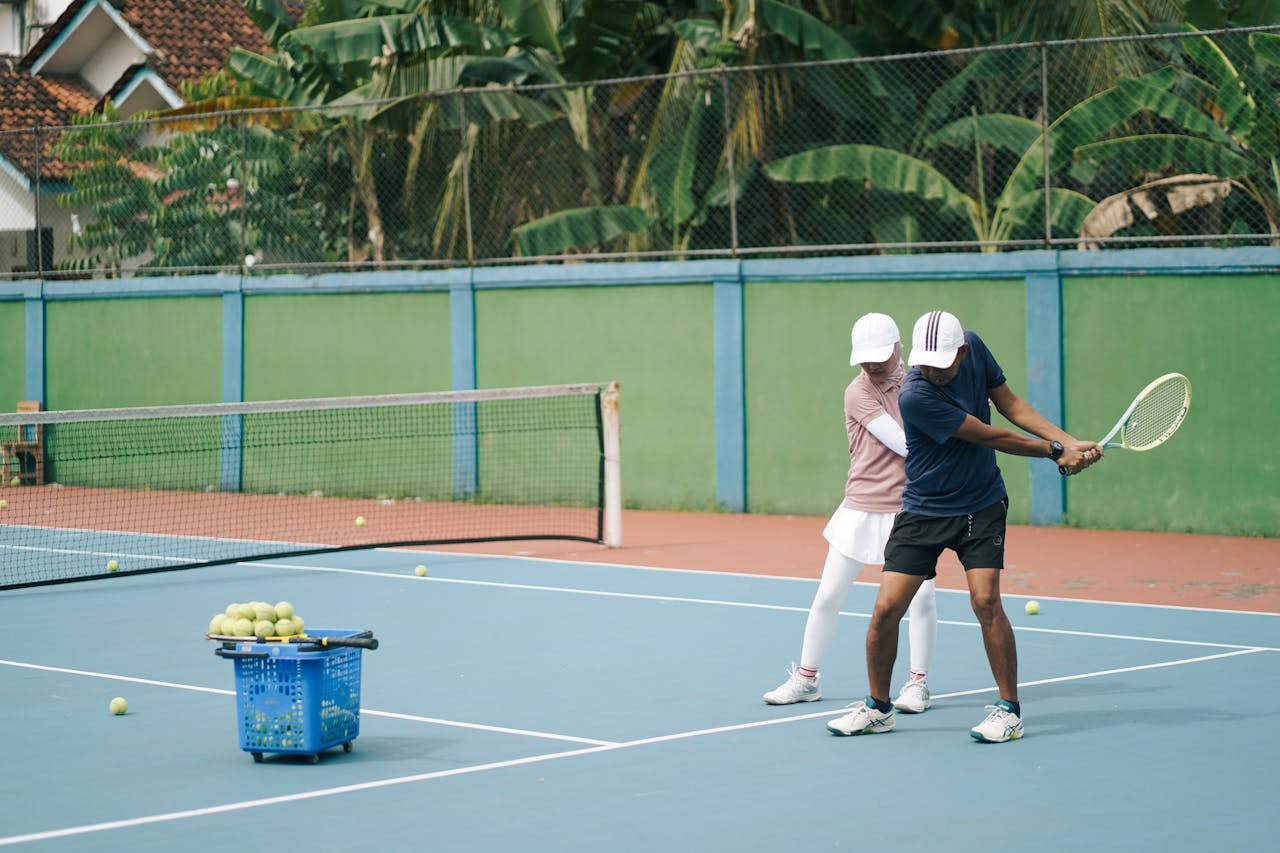
Build a Consistent Training Routine
Consistency is everything in individual sports.
Instead of training randomly, successful athletes:
- Follow structured weekly schedules
- Balance skill, strength, and recovery
- Train at the same time daily when possible
Think of your body like a finely tuned instrument. If you play it regularly and properly, it performs beautifully. If you don’t, it falls out of tune.
Focus on Technique Before Intensity
Many athletes make the mistake of training too hard too soon.
But in individual sports:
- Proper technique matters more than speed or power
- Small mistakes can become long-term habits
- Efficiency reduces injury risk
Mastering form first is like building a strong foundation before constructing a building.
Strength and Conditioning Training
Physical strength supports performance in almost every individual sport.
Key areas to train:
- Core strength for stability
- Endurance for stamina
- Flexibility for movement efficiency
- Explosive power for speed and agility
A balanced body performs better and lasts longer.
Table: Training Focus by Sport Type
|
Sport Type |
Key Training Focus |
|
Running |
Endurance, speed, leg strength |
|
Swimming |
Upper body strength, breathing control |
|
Tennis |
Agility, reflexes, coordination |
|
Boxing |
Power, endurance, reaction time |
|
Gymnastics |
Flexibility, balance, body control |
Mental Training Is Just as Important
In individual sports, your biggest competitor is often your own mind.
Athletes must develop:
- Focus under pressure
- Confidence during competition
- Emotional control after mistakes
- Visualization of performance
Mental strength turns pressure into performance instead of panic.
It’s like training your mind to stay calm while your body works hard.
Practice Smart, Not Just Hard
Training longer doesn’t always mean training better.
Smart training includes:
- Breaking skills into smaller parts
- Repeating drills with purpose
- Reviewing performance regularly
- Identifying and fixing weaknesses
Quality always beats quantity.
Recovery Is Part of Training
Rest is not laziness—it’s performance fuel.
Proper recovery includes:
- Adequate sleep
- Stretching and mobility work
- Rest days
- Hydration and nutrition
Without recovery, performance drops and injury risk increases.
Even machines overheat when used without breaks.
Nutrition Fuels Performance
What athletes eat directly affects energy and recovery.
A good diet should include:
- Protein for muscle repair
- Carbohydrates for energy
- Healthy fats for endurance
- Hydration for performance
Think of food as your training fuel—it powers everything you do.
Set Clear, Measurable Goals
Without goals, training becomes directionless.
Effective goals are:
- Specific (improve sprint time)
- Measurable (reduce time by 2 seconds)
- Time-based (within 3 months)
Goals turn effort into progress you can track.
Learn from Every Performance
Every training session and competition is feedback.
Athletes should:
- Review what went well
- Identify mistakes
- Adjust training plans
- Focus on gradual improvement
Even losses become valuable lessons when analyzed properly.
Table: Good Training Habits vs Poor Training Habits
|
Habit Type |
Good Approach |
Poor Approach |
|
Training style |
Structured plan |
Random workouts |
|
Focus |
Technique + improvement |
Just intensity |
|
Recovery |
Prioritized |
Ignored |
|
Mindset |
Growth-focused |
Outcome-focused |
|
Nutrition |
Balanced diet |
Unplanned eating |
Stay Motivated Through Discipline
Motivation comes and goes, but discipline keeps you going.
Successful athletes:
- Train even when they don’t feel like it
- Stick to routines
- Focus on long-term goals
- Build habits, not excuses
Discipline is what separates potential from performance.
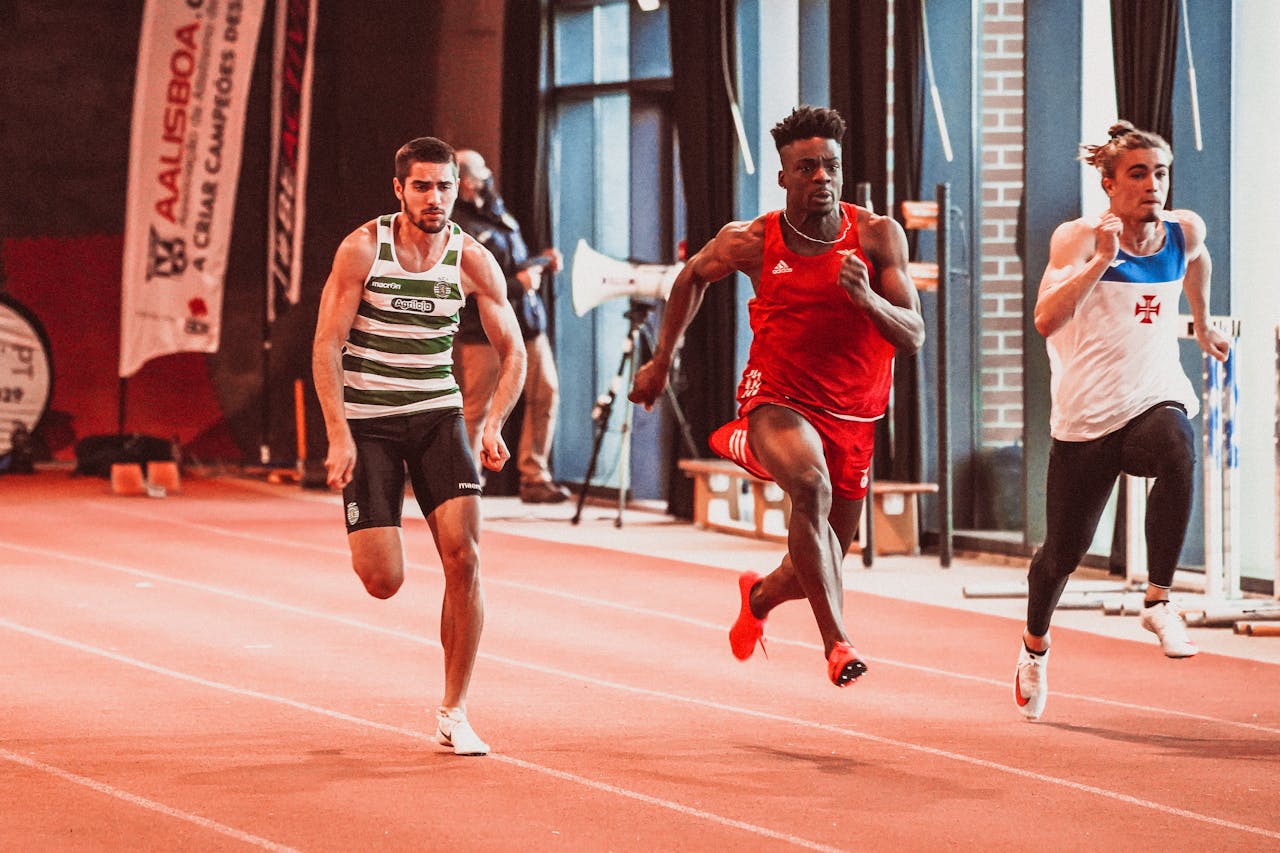
Conclusion
Training for individual sports requires more than physical effort—it demands consistency, discipline, mental strength, and smart planning. When you combine structured practice, proper recovery, strong mindset, and clear goals, improvement becomes inevitable.
In the end, you are your own coach, competitor, and supporter. The more disciplined your training, the stronger your results will be.
FAQ: Training Tips for Athletes in Individual Sports
No, beginners should start gradually and focus on technique before increasing intensity.


Was This Article Helpful?
Click on a star to rate it!
Thank you for your vote!

Average Rating: 0/5 Votes: 0
Be the first to rate this post!

Latest Posts
How Individuals Can Support Animal Protection: Simple Actions That Create Change

The Role of Consumers in Sustainability: How Everyday Choices Can Create Change

Human Rights Challenges in Conflict Zones: Protecting People During Crisis