The Evolution of International Human Rights Laws: From Ideas to Global Standards
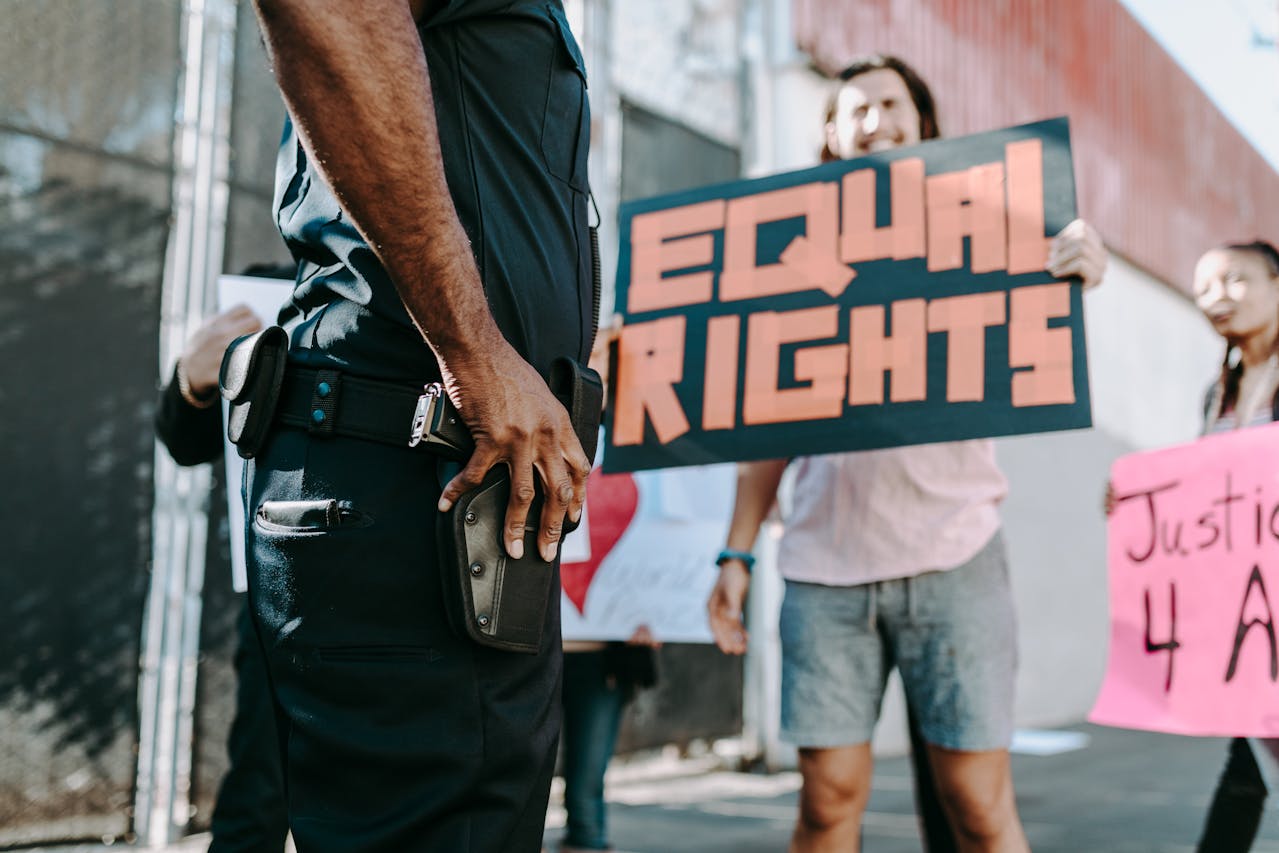
Human rights laws didn’t appear overnight. They evolved over centuries, shaped by wars, social movements, political changes, and growing awareness of human dignity. Today, international human rights laws aim to protect every person—regardless of nationality, gender, religion, or background.
But how did we get here? Let’s walk through the evolution of these important global protections.
The Early Foundations of Human Rights
The idea of human rights existed long before formal international laws.
Early influences came from:
- Ancient legal codes (like the Code of Hammurabi)
- Religious and philosophical teachings about justice
- Enlightenment thinkers who promoted liberty and equality
These ideas slowly introduced the concept that all humans deserve certain basic rights.
However, early systems were limited and often excluded large groups of people.
The Impact of Major Historical Events
Major global events played a huge role in shaping human rights laws.
Key moments include:
- The abolition of slavery movements
- World War I and World War II
- The Holocaust and global humanitarian crisis
These tragedies revealed the urgent need for international rules to protect people from mass abuse and injustice.
It became clear that human rights could not depend only on national governments.
The Birth of Modern Human Rights Law
A major turning point came after World War II.
In 1945, the United Nations (UN) was created to promote peace and cooperation. Soon after, the world adopted a landmark document:
The Universal Declaration of Human Rights (UDHR), 1948
This document set out basic rights such as:
- Right to life
- Freedom of speech
- Equality before the law
- Protection from torture
While not legally binding, it became the foundation for modern human rights law.
Table: Before and After the UDHR
|
Aspect |
Before UDHR |
After UDHR |
|
Global standards |
No universal rules |
Shared human rights principles |
|
Government accountability |
Limited |
Increased international pressure |
|
Human rights awareness |
Low |
Widely recognized |
|
Legal frameworks |
Fragmented |
Expanding international treaties |
Development of International Treaties
After the UDHR, countries began creating legally binding agreements.
Important treaties include:
- International Covenant on Civil and Political Rights (ICCPR)
- International Covenant on Economic, Social and Cultural Rights (ICESCR)
- Convention on the Rights of the Child (CRC)
- Convention on the Elimination of All Forms of Discrimination Against Women (CEDAW)
These treaties turned human rights principles into enforceable obligations.
The Role of the United Nations
The United Nations plays a central role in promoting and protecting human rights.
It does this through:
- Monitoring violations
- Supporting international treaties
- Investigating human rights abuses
- Promoting global cooperation
Agencies like the UN Human Rights Council help hold governments accountable.
Expansion of Human Rights Over Time
Human rights laws have continued to evolve to address new global challenges.
Modern focus areas include:
- Refugee rights
- Digital privacy rights
- Environmental rights
- Indigenous rights
- Disability rights
This shows that human rights are not static—they grow with society.
Table: Evolution of Human Rights Focus
|
Era |
Main Focus |
|
Early history |
Basic justice and morality |
|
Post-WWII |
Universal rights and protection |
|
Late 20th century |
Legal enforcement and equality |
|
Modern era |
Digital, environmental, and global rights |
Challenges in Enforcing Human Rights Laws
Despite progress, enforcement remains difficult.
Challenges include:
- Lack of global enforcement power
- Political conflicts between nations
- Weak legal systems in some countries
- Cultural and legal differences
International law relies heavily on cooperation, not force.
Human Rights in the Modern World
Today, human rights law continues to adapt to new realities.
Current issues include:
- Freedom of expression online
- Surveillance and data privacy
- Migration and refugee crises
- Climate justice
These challenges show that human rights must evolve with technology and global change.
The Importance of Global Cooperation
Human rights cannot be protected by one country alone.
They require:
- International agreements
- Shared accountability
- Diplomatic pressure
- Global awareness
When countries work together, protection becomes stronger and more effective.

Conclusion
The evolution of international human rights laws reflects humanity’s growing understanding of dignity, equality, and justice. From ancient ideas to modern global treaties, the journey has been shaped by both progress and tragedy.
While challenges remain, the global commitment to protecting human rights continues to expand. The system is not perfect—but it is constantly evolving toward a fairer and more just world.
FAQ: The Evolution of International Human Rights Laws
They include digital privacy, climate justice, refugee protection, and equality rights.


Was This Article Helpful?
Click on a star to rate it!
Thank you for your vote!

Average Rating: 0/5 Votes: 0
Be the first to rate this post!

Latest Posts

How Individuals Can Support Animal Protection: Simple Actions That Create Change

The Role of Consumers in Sustainability: How Everyday Choices Can Create Change
Human Rights Challenges in Conflict Zones: Protecting People During Crisis