How Ecosystems Support Life on Earth: Nature’s Life-Support System
Ecosystems are the foundation of life on Earth. Every forest, ocean, grassland, and desert is part of a complex network where living organisms interact with each other and with their physical environment. These interactions make life possible—not just for wildlife, but for humans as well.
Without ecosystems, Earth would not be habitable in the way we know it today.
Let’s explore how ecosystems work and why they are essential for sustaining life.
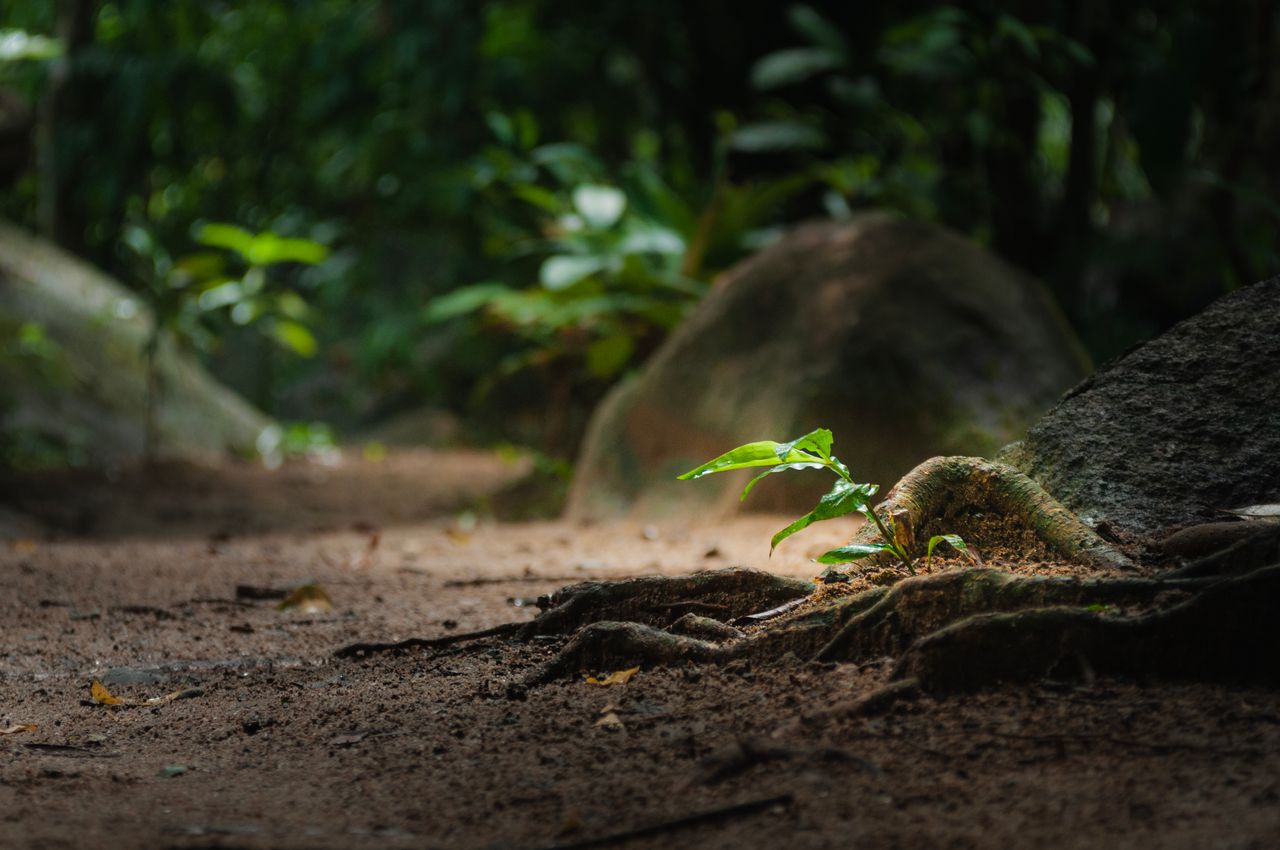
What Is an Ecosystem?
An ecosystem is a community of living organisms (plants, animals, microorganisms) interacting with non-living components (air, water, soil, sunlight).
It includes:
- Producers (plants and algae)
- Consumers (animals and humans)
- Decomposers (fungi and bacteria)
- Physical environment (climate, water, soil)
Think of an ecosystem as a self-sustaining life network.
How Energy Flows Through Ecosystems
Energy in ecosystems flows in one direction—from the sun to living organisms.
Basic flow:
Sun → Plants → Herbivores → Carnivores → Decomposers
Plants capture sunlight through photosynthesis, converting it into energy that supports all other life forms.
The Role of Producers (Plants)
Producers are the foundation of every ecosystem.
They:
- Convert sunlight into energy
- Produce oxygen through photosynthesis
- Form the base of food chains
- Support all higher life forms
Without plants and algae, most life on Earth would not exist.
Consumers: Energy Users in the System
Consumers are organisms that rely on other organisms for food.
They include:
- Herbivores (eat plants)
- Carnivores (eat animals)
- Omnivores (eat both plants and animals)
Consumers transfer energy through different levels of the food chain.
Table: Levels in a Food Chain
|
Level |
Role |
Example |
|
Producers |
Make food using sunlight |
Grass, algae |
|
Primary consumers |
Eat plants |
Rabbits, deer |
|
Secondary consumers |
Eat herbivores |
Foxes, small predators |
|
Tertiary consumers |
Top predators |
Lions, eagles |
Decomposers: Nature’s Recyclers
Decomposers break down dead plants and animals, returning nutrients to the soil.
They:
- Recycle nutrients
- Clean the environment
- Support plant growth
- Prevent waste buildup
Without decomposers, ecosystems would quickly become overloaded with dead matter.
Nutrient Cycles in Ecosystems
Ecosystems rely on natural cycles to reuse essential elements.
Key cycles include:
- Water cycle
- Carbon cycle
- Nitrogen cycle
These cycles ensure that essential elements are continuously reused rather than lost.
Table: Key Ecosystem Cycles
|
Cycle |
Function |
|
Water cycle |
Moves water through evaporation and rain |
|
Carbon cycle |
Recycles carbon for life and climate balance |
|
Nitrogen cycle |
Supports plant growth and soil fertility |
Ecosystems and Oxygen Production
Forests, oceans, and wetlands play a critical role in producing oxygen.
- Trees absorb carbon dioxide
- Oceans produce oxygen through algae
- Plants release oxygen during photosynthesis
This balance keeps Earth’s atmosphere breathable.
Climate Regulation
Ecosystems help stabilize Earth’s climate.
They:
- Absorb greenhouse gases
- Regulate temperature
- Influence rainfall patterns
- Store carbon in soil and vegetation
For example, forests act as natural “carbon sinks.”
Biodiversity and Ecosystem Stability
Biodiversity refers to the variety of life in an ecosystem.
High biodiversity:
- Increases stability
- Improves resilience to change
- Supports food web balance
- Reduces risk of collapse
A diverse ecosystem is stronger and more adaptable.
Table: Benefits of Ecosystems for Life
|
Function |
Importance |
|
Oxygen production |
Supports breathing |
|
Food supply |
Sustains all life |
|
Climate regulation |
Stabilizes environment |
|
Nutrient recycling |
Maintains soil fertility |
|
Habitat creation |
Supports biodiversity |
Ecosystems and Human Life
Humans depend on ecosystems in almost every way:
- Food (crops, fish, livestock)
- Clean water
- Medicine from plants
- Raw materials (wood, fiber)
- Climate stability
Even urban life depends on natural systems far away.
Threats to Ecosystems
Ecosystems are under pressure from human activity, including:
- Deforestation
- Pollution
- Climate change
- Overfishing
- Habitat destruction
These disruptions weaken natural balance.
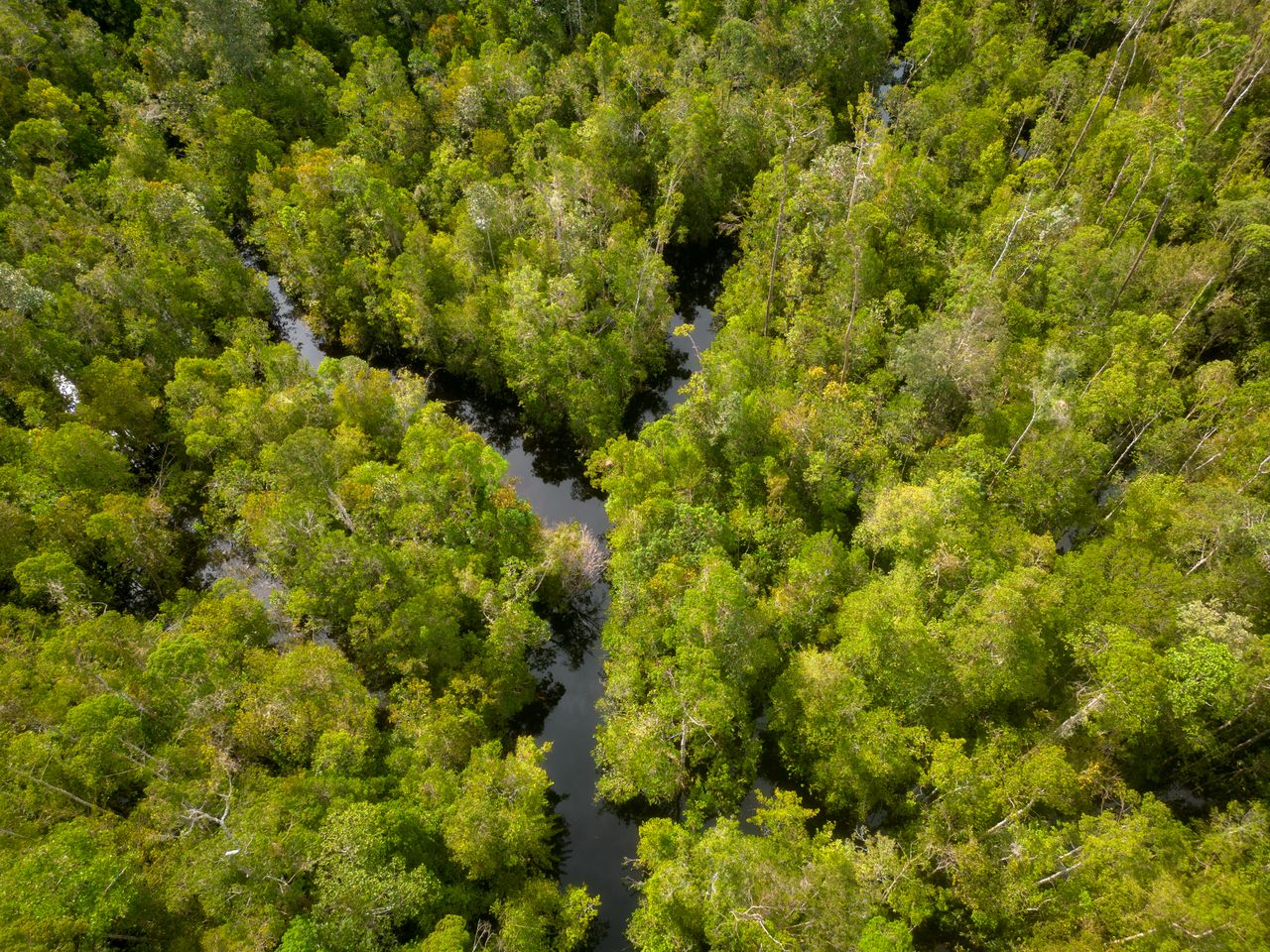
Why Ecosystem Protection Matters
Protecting ecosystems ensures:
- Long-term food security
- Clean air and water
- Stable climate conditions
- Survival of species (including humans)
- Healthy ecosystems mean a healthy planet.
- Conclusion
Ecosystems are the invisible support systems that make life on Earth possible. Through energy flow, nutrient cycling, oxygen production, and climate regulation, they maintain the balance required for survival. Every organism—from the smallest bacteria to the largest animal—plays a role in this interconnected web of life.
Protecting ecosystems is not just about nature—it is about protecting life itself.
FAQ: How Ecosystems Support Life on Earth
It leads to loss of biodiversity, climate imbalance, and reduced resources for life.


Was This Article Helpful?
Click on a star to rate it!
Thank you for your vote!

Average Rating: 0/5 Votes: 0
Be the first to rate this post!

Expert in backend development and database architecture. Specializes in building, optimizing, and maintaining scalable PHP applications, designing efficient database structures, and ensuring data integrity and performance. Experienced in working with relational databases, writing optimized queries, and integrating backend systems with APIs and business logic to support reliable, high-performance web solutions.
View LinkedIn ProfileLatest Posts

How Individuals Can Support Animal Protection: Simple Actions That Create Change

The Role of Consumers in Sustainability: How Everyday Choices Can Create Change
Human Rights Challenges in Conflict Zones: Protecting People During Crisis