High-Speed Rail Projects Around the World: Connecting Cities at Lightning Speed
High-speed rail is changing how people travel across countries and continents. Instead of long, tiring flights or slow road trips, passengers can now glide between major cities at speeds that feel almost unreal. These trains are not just about convenience—they’re reshaping economies, tourism, and even how cities grow.
Let’s take a global journey through the most impressive high-speed rail projects and what they mean for the future of transportation.
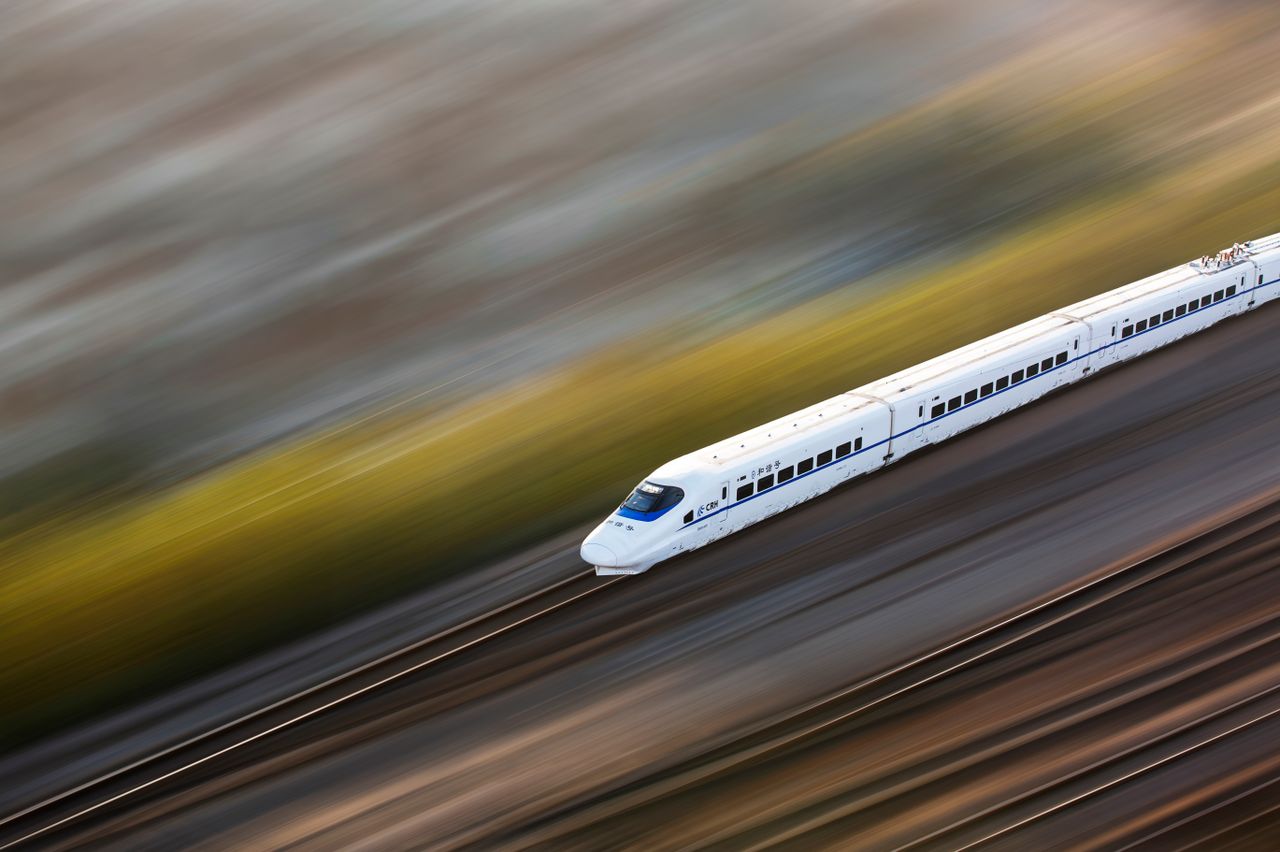
What Makes High-Speed Rail So Special?
High-speed rail systems are trains designed to run significantly faster than traditional rail services—often above 250 km/h (155 mph).
But speed is just part of the story.
They also offer:
- Smooth and comfortable travel
- Lower emissions compared to planes and cars
- Reliable schedules with fewer delays
- Easy city-center to city-center access
Think of it as flying on the ground—but without airport chaos.
China: The Global Leader in High-Speed Rail
China has built the largest high-speed rail network in the world, and it’s still expanding rapidly.
Key highlights include:
- Thousands of kilometers of track
- Major routes connecting Beijing, Shanghai, Guangzhou, and more
- Trains reaching speeds over 300 km/h
- Continuous expansion into smaller cities
China’s system is like a giant web, linking nearly every major urban center efficiently. It has completely changed domestic travel habits, making trains the preferred option over short flights.
Japan: The Pioneer of Bullet Trains
Japan introduced the world to high-speed rail with its famous Shinkansen system.
Shinkansen
Known as the “bullet train,” it first launched in 1964 and set the global standard for speed, safety, and precision.
What makes it remarkable:
- Extremely punctual (often delays measured in seconds)
- Strong safety record with zero passenger fatalities from derailments
- Smooth rides even at high speeds
Japan’s system proves that high-speed rail isn’t just fast—it can also be incredibly reliable.
Europe: A Cross-Border Rail Revolution
Europe has taken a slightly different approach—connecting multiple countries through shared rail networks.
Notable systems include:
- France’s TGV network
- Spain’s AVE trains
- Germany’s ICE system
- Cross-border routes linking major European capitals
A standout example is the Paris to London route via the Channel Tunnel, operated by high-speed trains.
Eurostar
This system allows passengers to travel between countries without needing a flight, making Europe one of the most connected rail regions in the world.
United States: Slow but Growing Progress
The U.S. has been slower to adopt high-speed rail, but projects are gradually emerging.
Current developments include:
- California High-Speed Rail project
- Northeast Corridor upgrades (Boston–Washington route)
- Plans for future regional connections
The challenge in the U.S. is scale—long distances, complex infrastructure, and high costs. Still, momentum is building as cities look for greener alternatives to air travel.
Middle East and Asia: Emerging Players
Several countries are now investing heavily in high-speed rail:
- Saudi Arabia’s Haramain Railway connecting Mecca and Medina
- India’s Mumbai–Ahmedabad bullet train project (under development)
- South Korea’s KTX system already in operation
- Turkey’s expanding high-speed corridors
These projects aim to modernize transportation and support fast-growing urban populations.
Table: High-Speed Rail Around the World
| Region | Key Feature | Example System |
| Asia | Largest and fastest expansion | China Railway High-Speed |
| Japan | Most reliable and iconic | Shinkansen |
| Europe | Strong international connectivity | Eurostar network |
| USA | Developing infrastructure | California High-Speed Rail |
| Middle East | Rapid new development | Haramain Railway |
Why High-Speed Rail Matters
High-speed rail is more than just a transportation upgrade—it has wide-ranging impacts.
It helps:
- Reduce carbon emissions
- Ease airport congestion
- Boost regional economies
- Encourage tourism between cities
- Create new business corridors
It’s like building invisible highways that connect entire regions more efficiently.
Challenges Facing High-Speed Rail
Despite its benefits, high-speed rail faces challenges:
- Extremely high construction costs
- Long development timelines
- Land acquisition issues
- Political and planning complexity
It’s a long-term investment, not a quick fix—but the payoff can last for decades.
The Future of High-Speed Rail
The next generation of rail could be even more advanced:
- Faster trains using magnetic levitation (maglev)
- Fully electric, carbon-neutral systems
- Smart rail networks powered by AI
- Integration with airports and urban transit systems
In the future, traveling hundreds of kilometers in under an hour may become normal.
Conclusion
High-speed rail projects around the world are redefining what travel looks like. From Japan’s iconic bullet trains to China’s massive network and Europe’s cross-border systems, rail is becoming a powerful alternative to air and road transport.
As more countries invest in these systems, the world becomes more connected, more efficient, and more sustainable—one fast train at a time.
FAQ: High-Speed Rail Projects Around the World
High costs, geography, and infrastructure challenges make it difficult for some countries to build these systems.


Was This Article Helpful?
Click on a star to rate it!
Thank you for your vote!

Average Rating: 0/5 Votes: 0
Be the first to rate this post!

Latest Posts

How Individuals Can Support Animal Protection: Simple Actions That Create Change

The Role of Consumers in Sustainability: How Everyday Choices Can Create Change

Human Rights Challenges in Conflict Zones: Protecting People During Crisis