Scientists have discovered the key to transparency of glass frogs
A sleeping frog that becomes mostly transparent may offer insights to understanding blood clotting in humans.
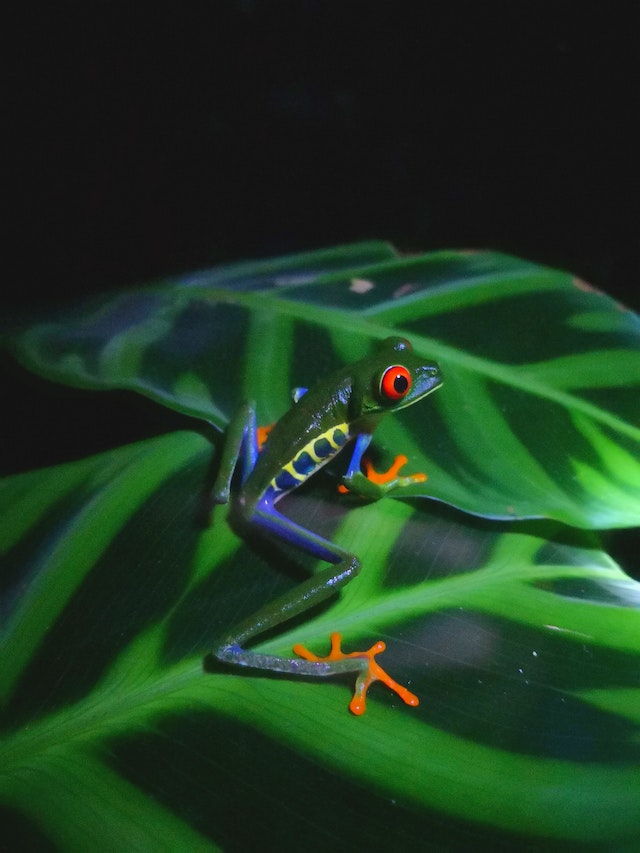
The glass frog has long been known to scientists, but they could not understand how it turns transparent. According to new studies, it may retain blood in its body without being harmed by clots. The study results might help doctors better understand risky blood clotting, which is a frequent and critical problem.
The glass frog, which is roughly the size of a marshmallow, spends its days resting on vibrant green leaves of tropical forests. To avoid predators' notice, the animal makes itself 61% transparent, concealing itself on the leaf.
As reported by Jesse Delia, a researcher at New York's Museum of Natural History, when you flip these frogs around, you could see their hearts beating on their own. The muscle can be seen through the skin, and the bulk of the body cavity is completely transparent.
Mr Delia and Carlos Taboada of Duke University in the United States have now discovered how the glass frogs accomplish this really uncommon feature.
The scientists assessed the opacity of the animals by shining different wavelengths of light through them while they were active and asleep. They noticed that the animals accumulate blood in their liver.
Further elaborated by Mr Delia, the frogs store most of the red blood cells in the liver, removing them from the blood plasma. They're still pumping plasma, but they're doing it without causing a big clot.
Up to 89% of the animal's blood cells pack together, increasing the size of the liver almost twice and making the frog transparent. When the species wants to hunt or mate at night, it releases red blood cells back into circulation and the liver shrinks back down.
Mr Taboada notes that the frog may still coagulate blood when necessary, such as when wounded.
He claims that the creature's capacity to selectively aggregate and clot blood is its "superpower," and that it might lead to a better comprehension of blood coagulation in general.
In most species, pooling blood causes clotting, which can be fatal, leading to heart attacks in humans, for example.
However, the researchers emphasize that putting that information into practical applications in human medicine might take decades.
The findings have been published in the scientific journal Science.


Was This Article Helpful?
Click on a star to rate it!
Thank you for your vote!

Average Rating: 4.4/5 Votes: 17
Be the first to rate this post!

Latest Posts

Conflict Resolution in Relationships
How to Develop a Growth Mindset
How Diet Affects Energy Levels