Oceanography: Discovering the Mysteries of the Deep Sea and Marine Life
The world's oceans cover over 70% of the Earth's surface, yet much of their depths remain unexplored and shrouded in mystery. Oceanography, the study of the ocean and its phenomena, offers a fascinating glimpse into the hidden world beneath the waves. From the diverse marine life that inhabits its depths to the geological processes that shape its underwater landscapes, oceanography encompasses a wide range of disciplines and research areas. In this guide, we'll dive into the captivating world of oceanography, exploring the mysteries of the deep sea and the incredible diversity of marine life that calls it home.
Oceanography: Discovering the Mysteries of the Deep Sea and Marine Life
The world's oceans cover over 70% of the Earth's surface, yet much of their depths remain unexplored and shrouded in mystery. Oceanography, the study of the ocean and its phenomena, offers a fascinating glimpse into the hidden world beneath the waves. From the diverse marine life that inhabits its depths to the geological processes that shape its underwater landscapes, oceanography encompasses a wide range of disciplines and research areas. In this guide, we'll dive into the captivating world of oceanography, exploring the mysteries of the deep sea and the incredible diversity of marine life that calls it home.
The Science of Oceanography
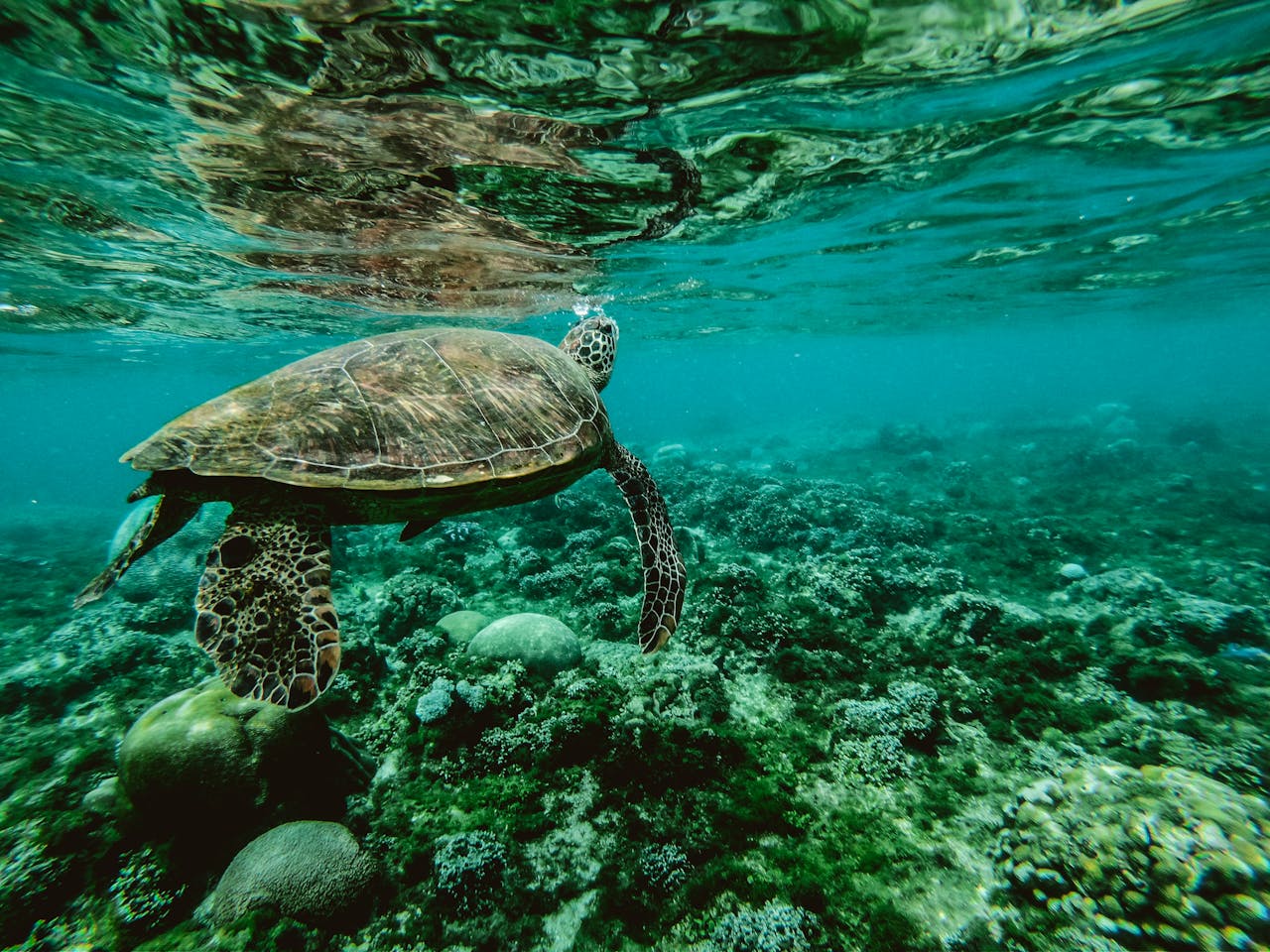
Oceanography is a multidisciplinary field that encompasses various branches of science, including marine biology, geology, chemistry, and physics. Scientists study the physical properties of seawater, such as temperature, salinity, and currents, as well as the geological processes that shape the ocean floor, such as seafloor spreading, tectonic activity, and sedimentation. By understanding these fundamental aspects of oceanography, researchers can gain insights into the complex interactions between the ocean, atmosphere, and biosphere and their impact on global climate and ecosystems.
The Science of Oceanography
Oceanography is a multidisciplinary field that encompasses various branches of science, including marine biology, geology, chemistry, and physics. Scientists study the physical properties of seawater, such as temperature, salinity, and currents, as well as the geological processes that shape the ocean floor, such as seafloor spreading, tectonic activity, and sedimentation. By understanding these fundamental aspects of oceanography, researchers can gain insights into the complex interactions between the ocean, atmosphere, and biosphere and their impact on global climate and ecosystems.
Exploring the Deep Sea
The deep sea, often referred to as the "last frontier" on Earth, is one of the least explored and most mysterious regions of our planet. With depths exceeding 6,000 meters (20,000 feet), the deep sea is home to a vast array of unique and bizarre creatures adapted to its extreme conditions, including hydrothermal vents, cold seeps, and abyssal plains. Oceanographers use remotely operated vehicles (ROVs), autonomous underwater vehicles (AUVs), and manned submersibles to explore the deep sea and study its inhabitants, uncovering new species, ecosystems, and geological features with each expedition.
Marine Life and Biodiversity
The oceans teem with life, from microscopic plankton to massive whales, encompassing a staggering diversity of species and ecosystems. Coral reefs, mangrove forests, and kelp forests are among the most biodiverse habitats on Earth, supporting a wide range of marine organisms and providing essential ecosystem services, such as food production, coastal protection, and carbon sequestration. Oceanographers study marine life and biodiversity to understand the factors that influence species distribution, abundance, and behavior, as well as the ecological processes that sustain healthy and resilient ocean ecosystems.
Exploring the Deep Sea
The deep sea, often referred to as the "last frontier" on Earth, is one of the least explored and most mysterious regions of our planet. With depths exceeding 6,000 meters (20,000 feet), the deep sea is home to a vast array of unique and bizarre creatures adapted to its extreme conditions, including hydrothermal vents, cold seeps, and abyssal plains. Oceanographers use remotely operated vehicles (ROVs), autonomous underwater vehicles (AUVs), and manned submersibles to explore the deep sea and study its inhabitants, uncovering new species, ecosystems, and geological features with each expedition.
Marine Life and Biodiversity
The oceans teem with life, from microscopic plankton to massive whales, encompassing a staggering diversity of species and ecosystems. Coral reefs, mangrove forests, and kelp forests are among the most biodiverse habitats on Earth, supporting a wide range of marine organisms and providing essential ecosystem services, such as food production, coastal protection, and carbon sequestration. Oceanographers study marine life and biodiversity to understand the factors that influence species distribution, abundance, and behavior, as well as the ecological processes that sustain healthy and resilient ocean ecosystems.
Conservation and Sustainability
As human activities increasingly threaten the health and integrity of marine ecosystems, conservation and sustainability have become urgent priorities in oceanography. Overfishing, habitat destruction, pollution, climate change, and ocean acidification are among the greatest threats facing the world's oceans, endangering marine biodiversity and the livelihoods of millions of people who depend on them for food, income, and cultural identity. Oceanographers work collaboratively with policymakers, conservationists, and stakeholders to develop science-based solutions for protecting and restoring marine ecosystems, promoting sustainable fisheries management, and mitigating the impacts of climate change on the oceans.
Conservation and Sustainability
As human activities increasingly threaten the health and integrity of marine ecosystems, conservation and sustainability have become urgent priorities in oceanography. Overfishing, habitat destruction, pollution, climate change, and ocean acidification are among the greatest threats facing the world's oceans, endangering marine biodiversity and the livelihoods of millions of people who depend on them for food, income, and cultural identity. Oceanographers work collaboratively with policymakers, conservationists, and stakeholders to develop science-based solutions for protecting and restoring marine ecosystems, promoting sustainable fisheries management, and mitigating the impacts of climate change on the oceans.
The Future of Oceanography
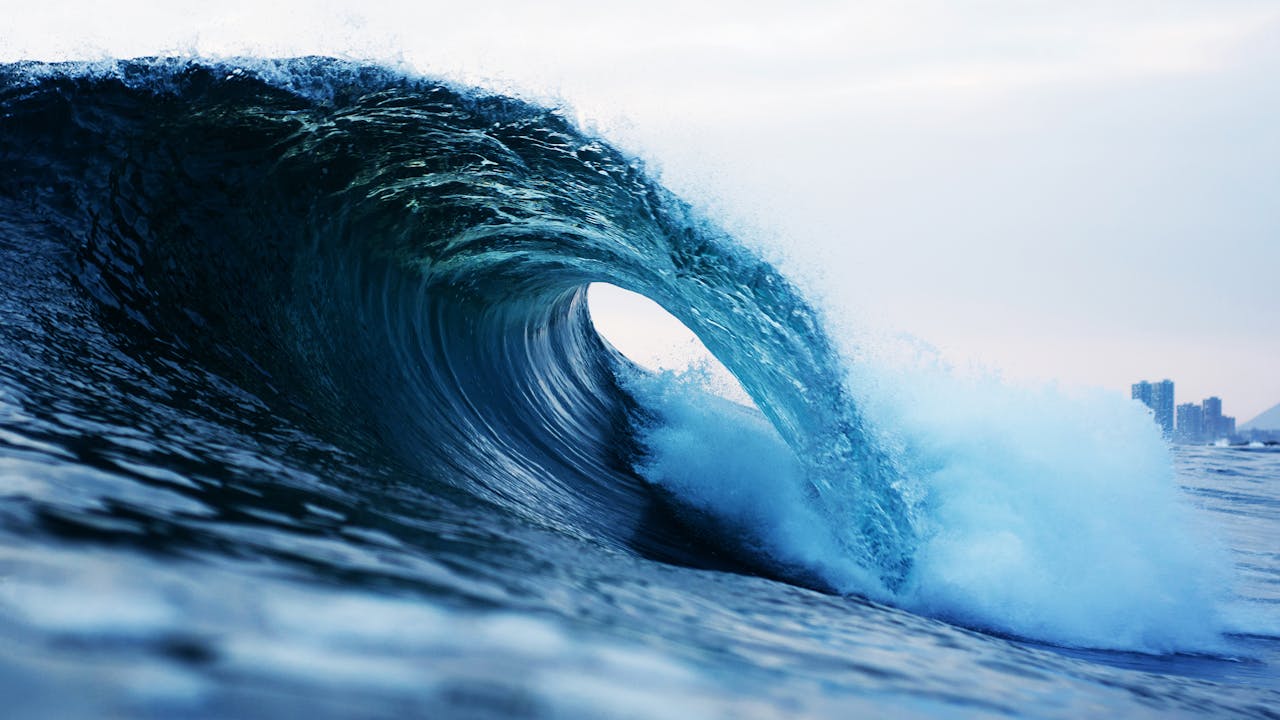
As technology advances and our understanding of the oceans deepens, the future of oceanography holds tremendous promise for discovery and innovation. From unlocking the secrets of the deep sea to harnessing the potential of marine resources for medicine, energy, and biotechnology, oceanographers are at the forefront of scientific exploration and discovery. By fostering interdisciplinary collaboration, promoting ocean literacy, and advocating for ocean conservation and stewardship, we can ensure that future generations continue to explore, cherish, and protect the precious resource that is our planet's oceans.
Oceanography offers a captivating journey into the hidden world of the oceans, revealing the mysteries of the deep sea and the incredible diversity of marine life that inhabits its depths. From studying the physical properties of seawater to exploring the biodiversity of coral reefs and deep-sea ecosystems, oceanographers play a vital role in advancing our understanding of the oceans and their importance for life on Earth. By embracing curiosity, innovation, and stewardship, we can continue to unlock the secrets of the oceans and work towards a more sustainable and resilient future for our planet's blue heart.
The Future of Oceanography
As technology advances and our understanding of the oceans deepens, the future of oceanography holds tremendous promise for discovery and innovation. From unlocking the secrets of the deep sea to harnessing the potential of marine resources for medicine, energy, and biotechnology, oceanographers are at the forefront of scientific exploration and discovery. By fostering interdisciplinary collaboration, promoting ocean literacy, and advocating for ocean conservation and stewardship, we can ensure that future generations continue to explore, cherish, and protect the precious resource that is our planet's oceans.
Oceanography offers a captivating journey into the hidden world of the oceans, revealing the mysteries of the deep sea and the incredible diversity of marine life that inhabits its depths. From studying the physical properties of seawater to exploring the biodiversity of coral reefs and deep-sea ecosystems, oceanographers play a vital role in advancing our understanding of the oceans and their importance for life on Earth. By embracing curiosity, innovation, and stewardship, we can continue to unlock the secrets of the oceans and work towards a more sustainable and resilient future for our planet's blue heart.


Was This Article Helpful?
Click on a star to rate it!
Thank you for your vote!

Average Rating: 4/5 Votes: 43
Be the first to rate this post!

Latest Posts

How Individuals Can Support Animal Protection: Simple Actions That Create Change

The Role of Consumers in Sustainability: How Everyday Choices Can Create Change

Human Rights Challenges in Conflict Zones: Protecting People During Crisis