IT Trends Shaping the Future of Technology
The world of technology moves fast. What’s cutting-edge today could be obsolete tomorrow. For businesses, IT professionals, and tech enthusiasts, staying ahead means understanding the trends shaping the future of technology. From artificial intelligence to cloud computing, these innovations are transforming the way we work, communicate, and live.
Here’s a closer look at the key IT trends that are defining the future of technology.

Artificial Intelligence and Machine Learning
AI and machine learning continue to dominate IT innovation. Companies are leveraging these technologies for:
- Predictive analytics to anticipate customer needs
- Automation of repetitive tasks across industries
- Enhanced cybersecurity through AI-driven threat detection
- Smarter applications in healthcare, finance, and logistics
The growing adoption of AI is creating more efficient, intelligent, and personalized technology solutions.
Cloud Computing and Hybrid Cloud
Cloud technology is no longer optional, it’s central to IT strategy. Modern trends include:
- Hybrid cloud solutions that combine private and public cloud resources
- Serverless computing for cost-efficient and scalable applications
- Multi-cloud strategies to avoid vendor lock-in and improve resilience
Cloud computing allows businesses to scale operations, reduce costs, and innovate faster.
Table: Key IT Trends and Their Impact
| IT Trend |
Description
|
Business/Tech Impact
|
|
Artificial Intelligence |
Machine learning and predictive systems |
Smarter automation, improved decision-making |
|
Cloud Computing |
Public, private, and hybrid cloud solutions |
Flexible, scalable, and cost-efficient operations |
|
Cybersecurity Advances |
AI-driven security, zero-trust models |
Enhanced protection against digital threats |
|
Edge Computing |
Processing data closer to the source |
Reduced latency, faster real-time processing |
|
Internet of Things (IoT) |
Connected devices and sensors |
Smarter devices and data-driven insights |
|
Blockchain |
Decentralized digital ledgers |
Secure transactions and supply chain transparency |
Cybersecurity Innovation
As technology grows, so do cyber threats. IT leaders are focusing on advanced security strategies:
- Zero-trust architecture to verify every access attempt
- AI-driven threat detection for faster response
- Data encryption and privacy compliance to protect sensitive information
Strong cybersecurity ensures that organizations can safely adopt new technologies without risking data breaches.
Edge Computing
Edge computing moves data processing closer to where it is generated, on devices or local servers, rather than relying solely on centralized cloud systems. Benefits include:
- Reduced latency for real-time applications
- Lower bandwidth costs
- Faster data processing for IoT devices and industrial systems
This trend is essential for applications like autonomous vehicles, smart cities, and healthcare monitoring.
Internet of Things (IoT) Expansion
The IoT ecosystem is growing, connecting everything from home appliances to industrial machinery. Key advantages:
- Real-time monitoring and analytics
- Predictive maintenance in manufacturing
- Enhanced consumer experiences in smart homes and wearables
IoT devices generate valuable data that powers smarter business decisions and innovations.
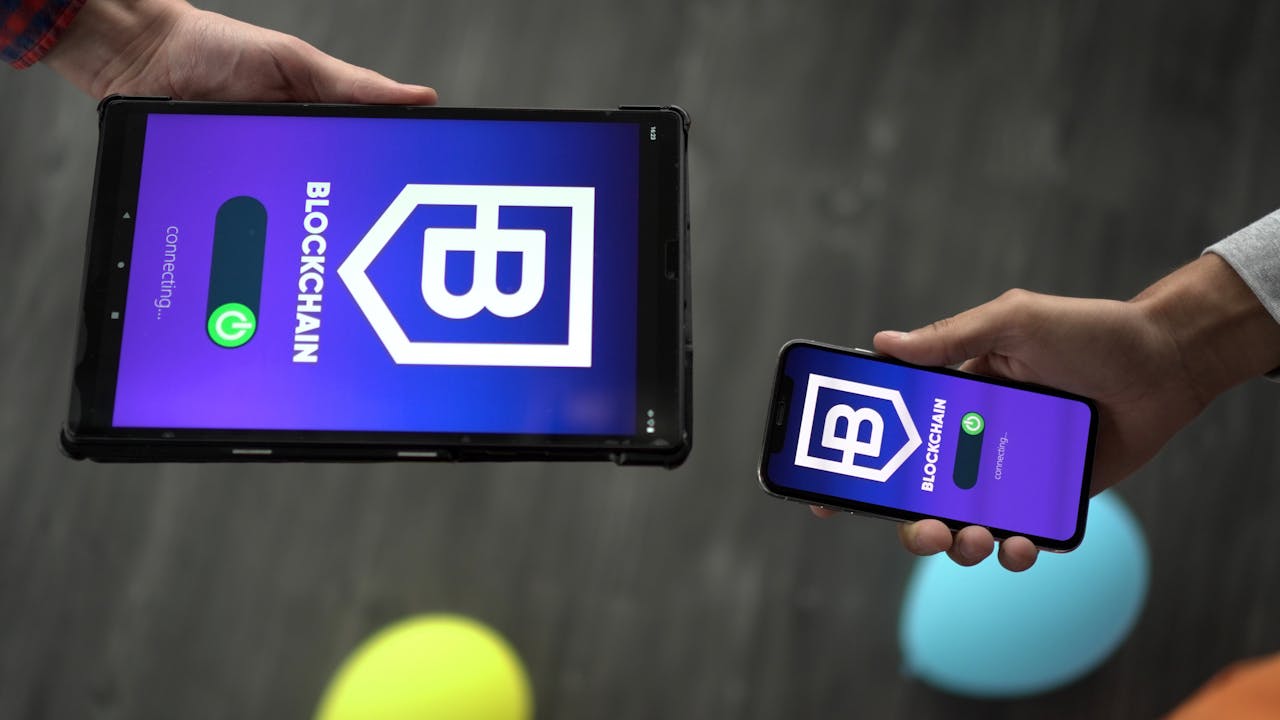
Blockchain Technology
Blockchain is no longer just about cryptocurrencies. Businesses are exploring its use for:
- Supply chain transparency
- Secure digital transactions
- Identity verification
- Smart contracts for automation
Blockchain provides a secure, decentralized framework for industries where trust and transparency are critical.
Conclusion
IT trends like AI, cloud computing, cybersecurity, edge computing, IoT, and blockchain are not just buzzwords, they are reshaping the technological landscape. Businesses and IT professionals who embrace these trends can innovate faster, work smarter, and stay competitive in a digital-first world.
The takeaway: understanding and adopting emerging IT trends is essential to shaping the future of technology and achieving long-term success.
Frequently Asked Questions about IT Trends
No. Blockchain provides secure, decentralized solutions for supply chains, digital transactions, identity verification, and smart contracts.


Was This Article Helpful?
Click on a star to rate it!
Thank you for your vote!

Average Rating: 4.8/5 Votes: 19
Be the first to rate this post!

Expert in backend development and database architecture. Specializes in building, optimizing, and maintaining scalable PHP applications, designing efficient database structures, and ensuring data integrity and performance. Experienced in working with relational databases, writing optimized queries, and integrating backend systems with APIs and business logic to support reliable, high-performance web solutions.
View LinkedIn ProfileLatest Posts

How Individuals Can Support Animal Protection: Simple Actions That Create Change

The Role of Consumers in Sustainability: How Everyday Choices Can Create Change

Human Rights Challenges in Conflict Zones: Protecting People During Crisis