The Impact of Blockchain on Digital Services: Transforming Trust in the Online World
Blockchain technology has moved far beyond its original use in cryptocurrency. Today, it is reshaping how digital services operate across industries like finance, healthcare, logistics, and even entertainment. At its core, blockchain introduces a new way of storing and sharing data—one that is transparent, secure, and decentralized.
So how exactly is blockchain changing digital services? Let’s break it down.
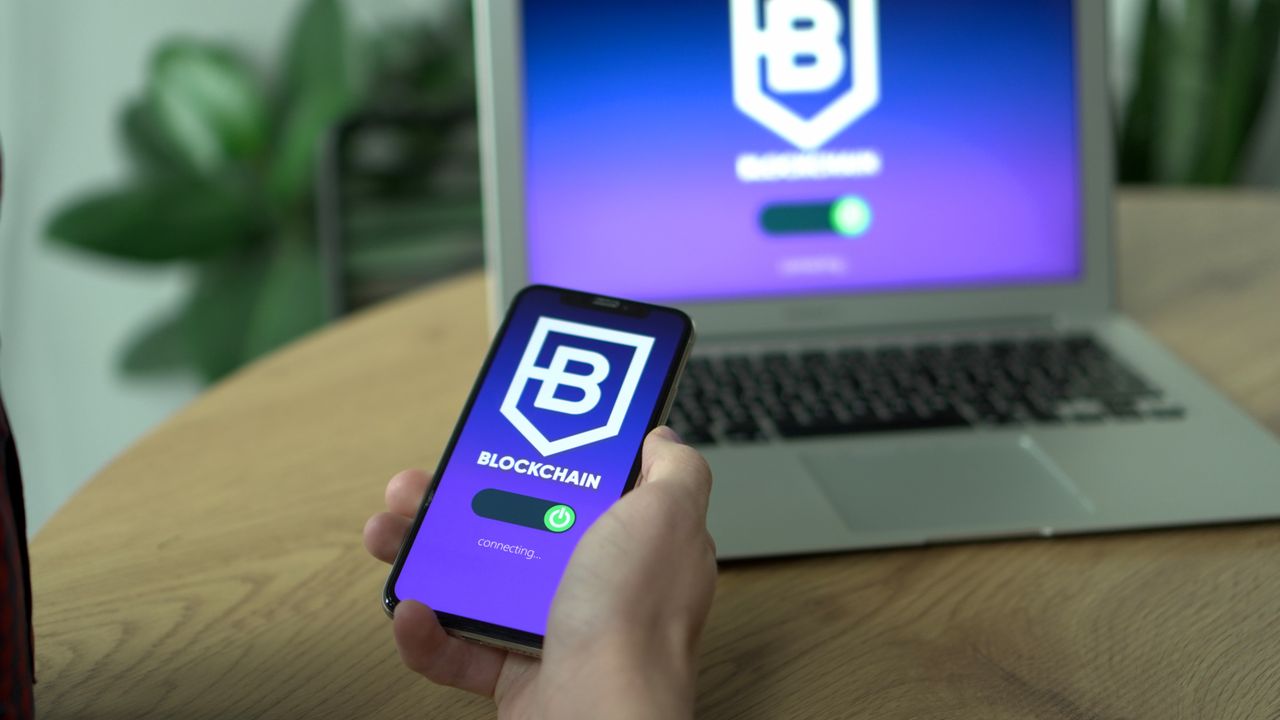
What Is Blockchain Technology?
Blockchain is a digital ledger system that records transactions across multiple computers in a way that makes them secure and nearly impossible to alter.
Instead of relying on a central authority, blockchain works through a network of nodes that validate and store information.
Think of it as a shared digital notebook where everyone has a copy, and once something is written, it cannot be easily erased or changed.
Why Blockchain Matters for Digital Services
Traditional digital services rely on centralized systems—companies store and control user data on their servers.
Blockchain changes this by offering:
- Decentralization
- Transparency
- Enhanced security
- Reduced reliance on intermediaries
This shift has major implications for how online services are built and trusted.
Table: Traditional Systems vs Blockchain Systems
|
Feature |
Traditional Digital Services |
Blockchain-Based Services |
|
Data control |
Centralized |
Decentralized |
|
Transparency |
Limited |
High transparency |
|
Security |
Vulnerable to hacks |
Highly secure encryption |
|
Intermediaries |
Required |
Often removed |
|
Data changes |
Easily modified |
Immutable records |
Improved Security and Data Protection
One of the biggest advantages of blockchain is security.
Because data is:
- Encrypted
- Distributed across networks
- Verified through consensus
It becomes extremely difficult for hackers to manipulate or steal information.
This makes blockchain especially valuable for services handling sensitive data like banking and identity systems.
Transparency and Trust in Digital Transactions
Blockchain creates trust without needing a middleman.
Every transaction is:
- Recorded publicly (or within a shared network)
- Time-stamped
- Verified by multiple participants
This level of transparency helps reduce fraud and builds user confidence in digital services.
Impact on Financial Services
The financial industry has been one of the earliest adopters of blockchain.
It enables:
- Faster cross-border payments
- Lower transaction fees
- Reduced fraud risk
- Smart contracts for automated transactions
Banks and fintech companies are increasingly integrating blockchain to improve efficiency.
Table: Key Blockchain Applications in Digital Services
|
Application Area |
Impact |
|
Banking |
Faster, cheaper transactions |
|
Supply chain |
Transparent tracking of goods |
|
Healthcare |
Secure patient data sharing |
|
Digital identity |
Safer identity verification |
|
Entertainment |
Fair royalty distribution |
Smart Contracts: Automating Digital Services
Smart contracts are self-executing agreements written into blockchain code.
They:
- Automatically execute when conditions are met
- Reduce need for intermediaries
- Lower operational costs
- Improve efficiency and accuracy
For example, a payment can be released automatically once a service is delivered.
Revolutionizing Supply Chain and Logistics
Blockchain improves supply chain transparency by tracking products from origin to delivery.
It helps:
- Verify product authenticity
- Reduce fraud and counterfeiting
- Improve inventory tracking
- Increase efficiency in logistics
Customers can even trace where their products come from in real time.
Digital Identity and Privacy Control
Blockchain allows users to have more control over their digital identities.
Instead of storing data in multiple databases, blockchain enables:
- Secure identity verification
- Reduced risk of identity theft
- User-controlled data sharing
This is especially important in a world where data privacy is a growing concern.
Challenges of Blockchain Adoption
Despite its benefits, blockchain still faces challenges:
- High energy usage in some networks
- Regulatory uncertainty in many countries
- Technical complexity for developers
- Limited scalability in certain systems
- Slow adoption in traditional industries
These barriers are gradually being addressed through innovation.
Role of Blockchain in Web3
Blockchain is a core foundation of Web3, the next generation of the internet.
Web3 aims to create:
- Decentralized applications (dApps)
- User-owned data ecosystems
- Peer-to-peer digital services
- Reduced platform dependency
This could significantly change how we interact online.
Future of Blockchain in Digital Services
The future looks promising as blockchain continues to evolve.
Expected developments include:
- Wider adoption in government systems
- Integration with AI and IoT
- Faster and more scalable networks
- More user-friendly applications
- Expansion of decentralized finance (DeFi)
Blockchain is moving from niche technology to mainstream infrastructure.

Conclusion
Blockchain is transforming digital services by introducing a new standard of security, transparency, and decentralization. From financial transactions and supply chains to digital identity and smart contracts, its impact is reshaping how online systems operate.
While challenges remain, the potential of blockchain to build more secure and efficient digital ecosystems is undeniable. As adoption grows, it is likely to become a foundational technology of the future internet.
FAQ: The Impact of Blockchain on Digital Services
It is expected to become a core technology in Web3, decentralized apps, and global digital infrastructure.


Was This Article Helpful?
Click on a star to rate it!
Thank you for your vote!

Average Rating: 0/5 Votes: 0
Be the first to rate this post!

Expert in backend development and database architecture. Specializes in building, optimizing, and maintaining scalable PHP applications, designing efficient database structures, and ensuring data integrity and performance. Experienced in working with relational databases, writing optimized queries, and integrating backend systems with APIs and business logic to support reliable, high-performance web solutions.
View LinkedIn ProfileLatest Posts

How Individuals Can Support Animal Protection: Simple Actions That Create Change

The Role of Consumers in Sustainability: How Everyday Choices Can Create Change

Human Rights Challenges in Conflict Zones: Protecting People During Crisis