Article Plan
- Why Electric Vehicles Are Gaining Popularity
- Advances in Battery Technology
- Table: Electric Vehicle Trends and Impacts
- Expansion of Charging Infrastructure
- Autonomous and Connected EVs
- Fleet Electrification
- Government Policy and Incentives
- Conclusion
- Frequently Asked Questions about Electric Vehicles
Electric Vehicles and the Future of Transportation
The transportation industry is shifting gears, literally. Electric vehicles (EVs) are no longer just a futuristic concept; they’re transforming the way we move, reducing emissions, and reshaping global mobility. With advances in battery technology, charging infrastructure, and policy support, EVs are positioned to play a central role in the future of transportation.
Here’s a look at how electric vehicles are shaping the roads of tomorrow.
Why Electric Vehicles Are Gaining Popularity
EV adoption is accelerating due to several key factors:
- Environmental concerns: Reducing greenhouse gas emissions is critical for combating climate change.
- Lower running costs: EVs have fewer moving parts and lower maintenance costs compared to traditional cars.
- Government incentives: Many countries offer tax credits, rebates, and subsidies to encourage EV purchases.
- Improved technology: Longer-range batteries and faster charging make EVs more practical for daily use.
These trends make EVs an attractive option for both consumers and businesses looking to reduce costs and carbon footprints.
Advances in Battery Technology
Battery technology is at the heart of EV innovation. Key developments include:
- Lithium-ion batteries with longer lifespan and faster charging
- Solid-state batteries promising higher energy density and improved safety
- Recycling and sustainable materials to reduce environmental impact
Better batteries mean longer trips, lower costs, and fewer concerns about range anxiety.
Table: Electric Vehicle Trends and Impacts
| Trend |
Description
|
Impact on Transportation
|
|
Battery Innovation |
Lithium-ion and solid-state tech |
Longer range, faster charging, safer vehicles |
|
Charging Infrastructure |
More public and fast-charging stations |
Easier adoption and convenience for EV owners |
|
Autonomous EVs |
Self-driving technology integration |
Safer roads, reduced traffic, new mobility models |
|
Fleet Electrification |
Electric buses, delivery vehicles |
Lower emissions and operational costs for businesses |
|
Policy Support |
Tax incentives and subsidies |
Accelerates EV adoption and market growth |
Expansion of Charging Infrastructure
One major barrier to EV adoption has been access to charging stations. However, this is rapidly changing:
- Fast-charging networks reduce charging time to under an hour
- Public and private partnerships expand coverage across cities and highways
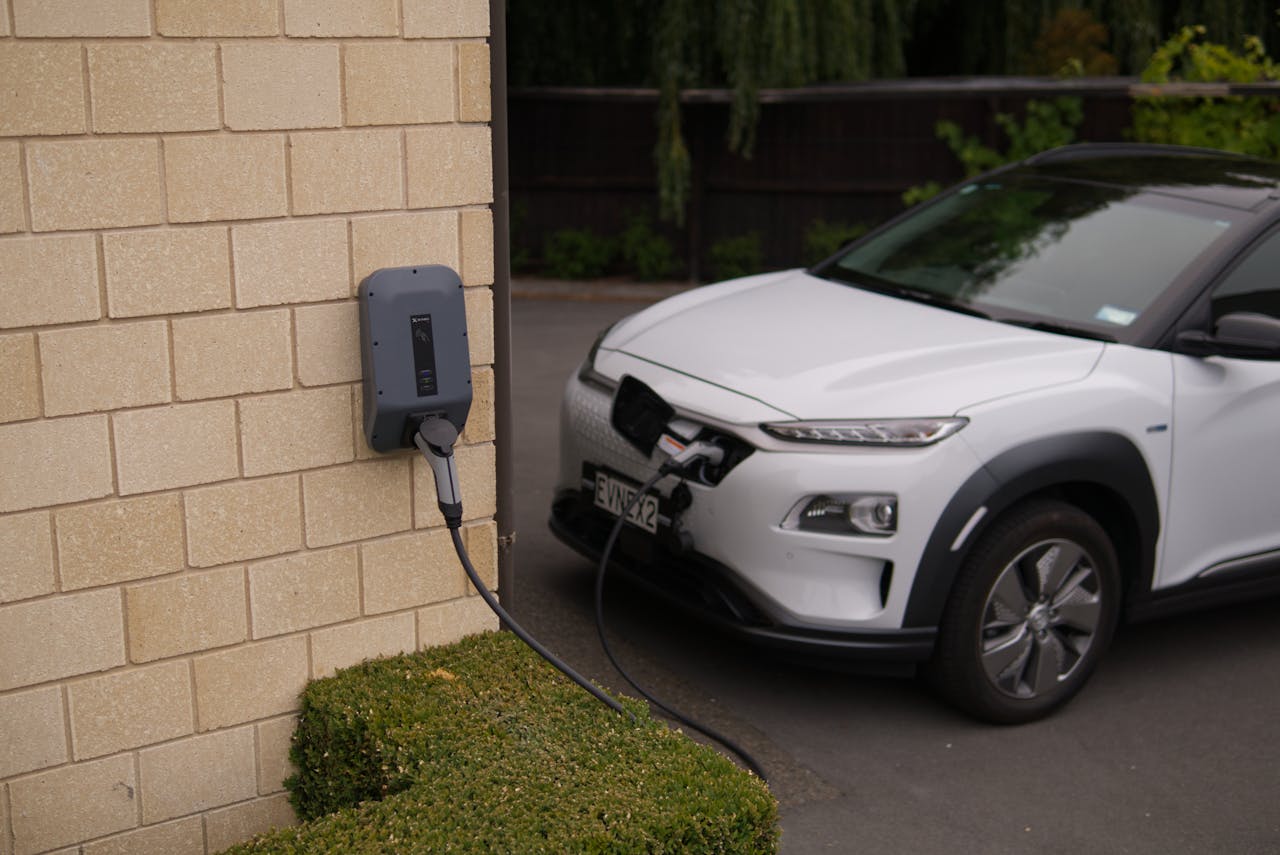
- Home charging solutions make daily use convenient for commuters
A growing infrastructure makes EV ownership more practical and appealing for the average consumer.
Autonomous and Connected EVs
The future of transportation isn’t just electric, it’s also smart. EVs are increasingly being equipped with:
- Autonomous driving technology for safer, more efficient roads
- Connected systems to share data, improve traffic flow, and enhance navigation
- AI-powered assistance for predictive maintenance and energy efficiency
These innovations could redefine mobility, making commuting safer, faster, and more sustainable.
Fleet Electrification
Businesses are also electrifying fleets, including buses, delivery trucks, and ride-sharing vehicles. Benefits include:
- Reduced fuel costs
- Lower maintenance expenses
- Compliance with environmental regulations
Fleet electrification has a direct impact on urban air quality and sets a precedent for larger-scale EV adoption.
Government Policy and Incentives
Government support is critical for accelerating EV adoption. Policies include:
- Tax credits and rebates for EV buyers
- Investments in public charging infrastructure
- Regulations phasing out internal combustion engines in certain regions
Such policies create a favorable environment for manufacturers, consumers, and businesses to embrace electric transportation.
Conclusion
Electric vehicles are more than a trend, they’re shaping the future of transportation. With advancements in batteries, expanding charging networks, autonomous technology, fleet electrification, and supportive policies, EVs are driving toward a cleaner, safer, and smarter mobility landscape.
The takeaway: adopting and investing in electric vehicles is not just an environmental choice, it’s a strategic move for the future of transportation.
Frequently Asked Questions about Electric Vehicles
Tax credits, rebates, and infrastructure investments accelerate adoption and make EVs more affordable for consumers and businesses.


Was This Article Helpful?
Click on a star to rate it!
Thank you for your vote!

Average Rating: 4.5/5 Votes: 10
Be the first to rate this post!

Tech entrepreneur & digital strategist with over 9 years of experience in backend development and more than 5 years in executive leadership. Education Software and Web developer. More than 20 years of experience in software and web development.
View LinkedIn ProfileLatest Posts

How Individuals Can Support Animal Protection: Simple Actions That Create Change

The Role of Consumers in Sustainability: How Everyday Choices Can Create Change

Human Rights Challenges in Conflict Zones: Protecting People During Crisis