Autonomous Driving Technology Developments: How Self-Driving Cars Are Becoming Reality
Autonomous driving used to feel like something straight out of science fiction. You know—flying cars, robots behind the wheel, and roads full of driverless vehicles. But today, that future is slowly rolling onto real streets.
So where are we now with self-driving technology, and what’s actually changing under the hood?
Let’s break it down in a clear, human way.
What Is Autonomous Driving, Really?
Autonomous driving means vehicles that can sense their environment and operate with little or no human input.
In simple terms, it’s a car that can:
- See the road
- Understand traffic
- Make driving decisions
- Navigate safely
But not all self-driving cars are the same. They are classified into levels, from basic assistance to full automation.
Think of it like a video game difficulty scale—some levels still need a human player, while others run on autopilot.
The Technology Behind Self-Driving Cars
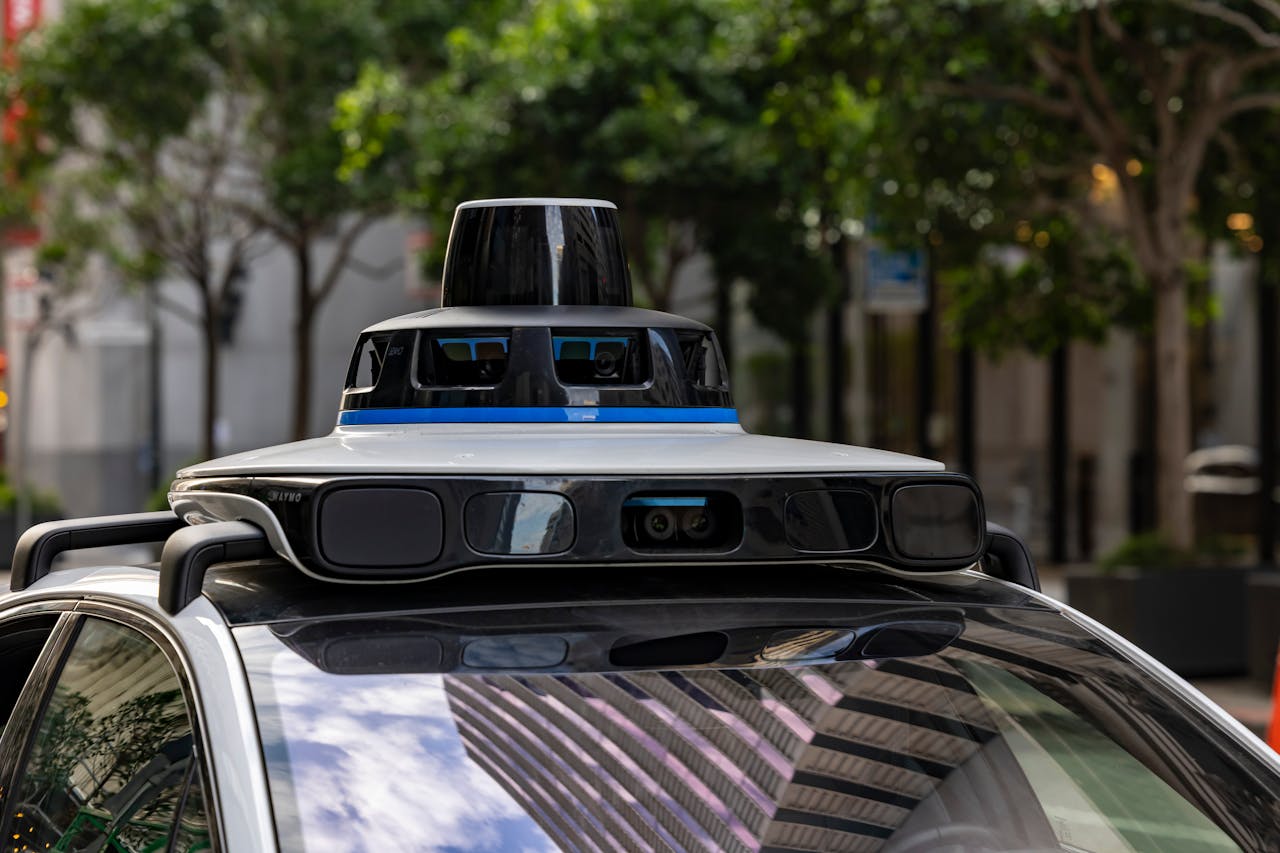
Autonomous vehicles rely on a mix of advanced technologies working together like a digital brain.
Key components include:
- Sensors (LiDAR, radar, cameras): Help the car “see” the world
- Artificial intelligence: Interprets data and makes decisions
- GPS and mapping systems: Guide navigation
- Machine learning: Improves performance over time
It’s like giving a car eyes, ears, and a brain—all connected in real time.
Major Breakthroughs in Recent Years
Self-driving technology has improved rapidly in the past decade. What once struggled with basic lane detection can now handle complex urban environments.
Some major advancements include:
- Better object detection in poor weather
- Faster real-time decision-making
- Improved pedestrian recognition
- More accurate high-definition maps
Companies are also using simulation testing—essentially letting cars “practice” millions of miles in virtual environments before hitting real roads.
Levels of Autonomous Driving Explained
Not all autonomous cars are fully self-driving yet. Here’s how the levels work:
| Level | Description | Human Role |
| 0 | No automation | Full control |
| 1 | Basic assistance (cruise control) | Mostly driving |
| 2 | Partial automation (lane + speed assist) | Must stay alert |
| 3 | Conditional automation | Can take eyes off briefly |
| 4 | High automation | Works in specific areas |
| 5 | Full automation | No human needed |
Most cars today are still at Level 2 or Level 3.
Real-World Applications Today
Autonomous driving is already being tested and used in several areas:
- Ride-hailing services in select cities
- Delivery robots and autonomous trucks
- Airport shuttle systems
- Highway driving assistance systems
You might not see fully driverless cars everywhere yet, but the foundation is already in place.
Challenges Slowing Full Autonomy
Even with rapid progress, there are still big challenges:
- Safety in unpredictable situations (like sudden human behavior)
- Legal and regulatory issues
- Ethical decision-making in accidents
- High development and hardware costs
- Weather and road condition limitations
Think of it like teaching a machine to drive in a world that doesn’t always follow rules.
Impact on Society and Businesses
If fully autonomous vehicles become mainstream, the impact will be massive.
Potential changes include:
- Fewer traffic accidents caused by human error
- Lower transportation costs
- Changes in taxi and trucking industries
- New job categories in AI and robotics
- Urban planning shifts (less need for parking spaces)
It could completely reshape how cities function—like upgrading an entire operating system for transportation.
The Road Ahead: What Comes Next?
The future of autonomous driving is not about “if,” but “when.”
We can expect:
- More Level 4 autonomous zones in cities
- Smarter AI decision-making systems
- Expansion of autonomous delivery fleets
- Integration with smart city infrastructure
It won’t happen overnight, but each update brings us closer to a world where driving becomes optional.
Conclusion
Autonomous driving technology is evolving step by step from assisted driving to full independence. While there are still technical and ethical hurdles to overcome, the progress so far is undeniable.
We’re moving toward a future where cars don’t just transport us—they think, learn, and react on their own. And while the steering wheel may not disappear tomorrow, it’s clear that the way we drive is changing forever.
FAQ: Autonomous Driving Technology Developments
Not completely in the near future, but they will significantly reduce the need for human driving in many areas.


Was This Article Helpful?
Click on a star to rate it!
Thank you for your vote!

Average Rating: 0/5 Votes: 0
Be the first to rate this post!

Latest Posts

How Individuals Can Support Animal Protection: Simple Actions That Create Change

The Role of Consumers in Sustainability: How Everyday Choices Can Create Change

Human Rights Challenges in Conflict Zones: Protecting People During Crisis