Work-Life Balance in the Digital Era: Finding Peace in an Always-Connected World
Work-life balance used to mean leaving the office at 5 PM and switching off until the next day. In the digital era, that line has blurred almost completely. Emails follow us home, messages arrive late at night, and “just one quick task” often turns into hours of extra work.
So how do you actually balance work and life when your phone never stops buzzing?
Let’s break it down in a practical, human way.
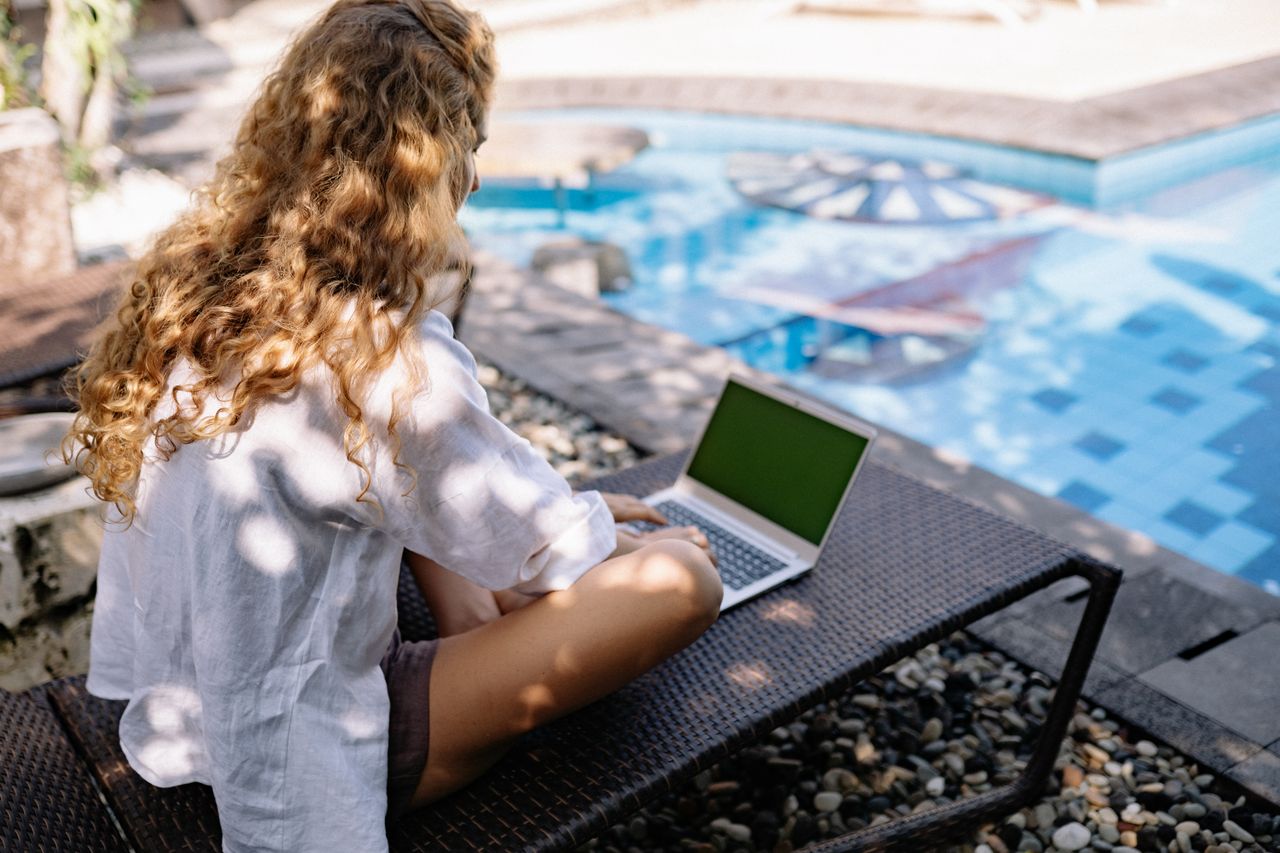
What Work-Life Balance Means Today
In the digital era, work-life balance is less about time and more about control.
It means:
- Knowing when to disconnect
- Managing attention, not just hours
- Protecting personal time from digital interruptions
- Avoiding burnout in a hyper-connected world
Think of it like juggling glowing screens instead of balls—the challenge is constant attention.
Why the Digital Era Makes Balance Harder
Technology has made work more flexible, but also more invasive.
Common challenges include:
- Constant notifications from emails and apps
- Remote work blurring home and office boundaries
- Pressure to respond instantly
- Social media distractions during work hours
- “Always available” expectations from employers
The result? Your brain rarely gets a real break.
Table: Traditional vs Digital Work-Life Balance
|
Aspect |
Traditional Era |
Digital Era |
|
Work hours |
Fixed |
Flexible but endless |
|
Communication |
Office-based |
24/7 digital access |
|
Boundaries |
Clear separation |
Blurred lines |
|
Distractions |
Limited |
Constant notifications |
|
Recovery time |
After work hours |
Difficult to maintain |
Setting Digital Boundaries
One of the most important steps is learning to set boundaries with technology.
Try:
- Turning off non-essential notifications
- Setting “no work message” hours
- Using separate work and personal devices if possible
- Logging out of work apps after hours
Boundaries are not restrictions—they’re protection.
Managing Screen Time Intentionally
Not all screen time is bad, but uncontrolled screen use drains energy.
Helpful habits include:
- Scheduling specific times for checking emails
- Using focus or “do not disturb” modes
- Limiting social media during work breaks
- Taking screen-free periods daily
The goal is to use technology with intention, not habit.
Table: Healthy Digital Habits
|
Habit |
Benefit |
|
Notification control |
Reduces stress |
|
Time-blocking work |
Improves focus |
|
Screen-free evenings |
Better mental recovery |
|
Email scheduling |
Prevents constant interruption |
|
Device separation |
Clear work-life boundaries |
Remote Work: A Blessing and a Challenge
Remote work has changed how people live and work.
Benefits:
- No commuting time
- Flexible schedules
- Better location independence
Challenges:
- Harder to “switch off”
- Work invading personal space
- Longer working hours without notice
- Isolation from colleagues
Without structure, home becomes the office 24/7.
Creating a Dedicated Work Space
Even in small homes, having a defined workspace helps your brain switch modes.
You can:
- Use a specific desk for work only
- Avoid working from bed or sofa
- Separate work tools from personal areas
- End the day by “closing” your workspace
This creates a psychological boundary between work and rest.
The Importance of Mental Breaks
In the digital era, breaks are not optional—they’re essential.
Try:
- Short walks away from screens
- Stretching every hour
- Eye relaxation exercises
- Deep breathing or mindfulness moments
Your brain performs better when it is not constantly overloaded.
Learning to Say “No” Digitally
One of the hardest modern skills is refusing digital overload.
That includes:
- Not replying to messages immediately after work hours
- Declining unnecessary meetings
- Avoiding multitasking across apps
- Protecting personal time from work requests
Every “yes” to digital interruption is a “no” to your own rest.
Building Real-Life Connections
Digital life can make us feel connected—but still isolated.
To restore balance:
- Spend time with family without screens
- Meet friends offline when possible
- Engage in hobbies that don’t involve devices
- Prioritize face-to-face communication
Human connection is still the strongest form of recharge.
The Role of Employers in Balance
Work-life balance isn’t just personal—it’s also organizational.
Better workplaces now offer:
- Flexible working hours
- Mental health support
- Right-to-disconnect policies
- Remote/hybrid options
- Respect for non-working hours
Healthy culture starts at the top.
The Future of Work-Life Balance
As technology evolves, balance will depend even more on intentional living.
Future trends include:
- AI managing routine tasks
- Smarter digital wellbeing tools
- Shorter, more focused work cycles
- Stronger global policies on digital boundaries
- Increased focus on mental health at work
The goal is not less technology—but better control over it.
Conclusion
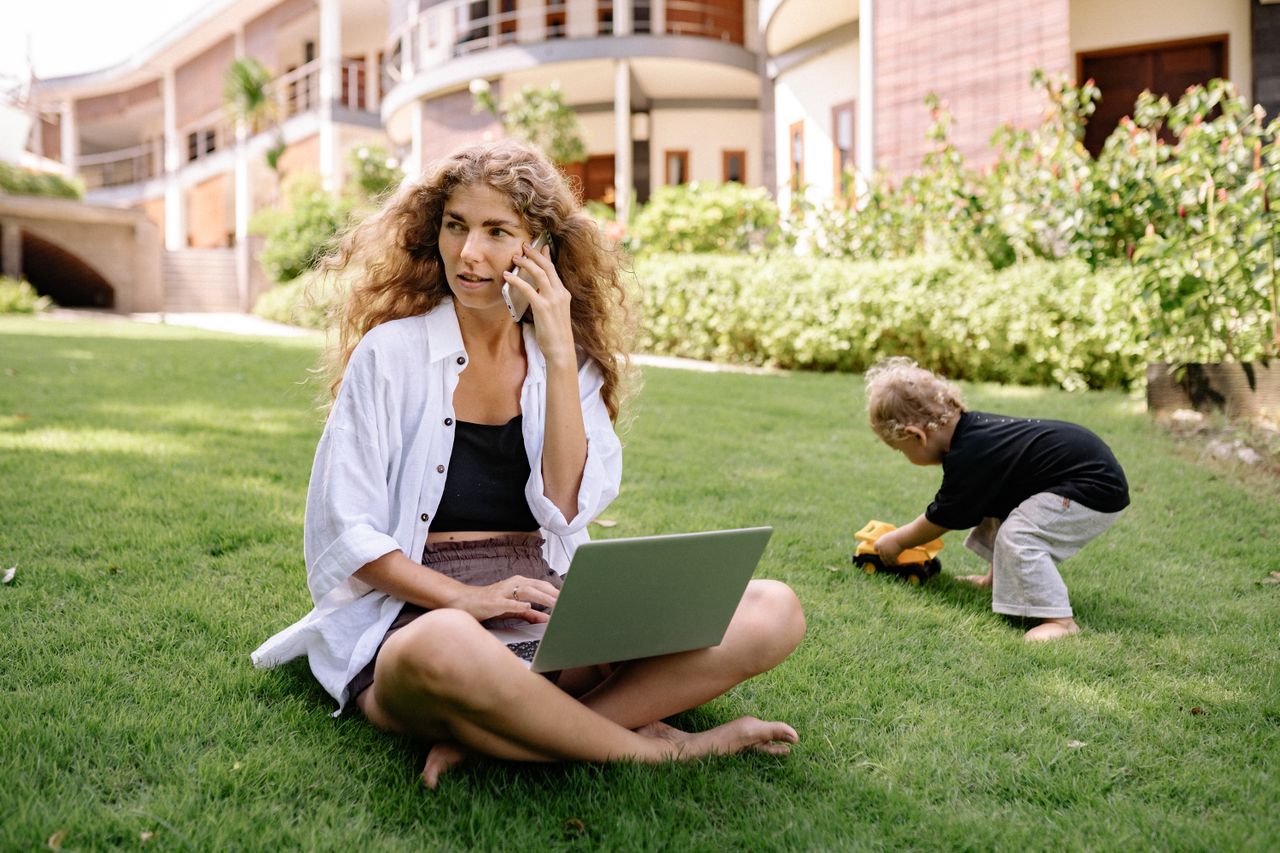
Work-life balance in the digital era is not about disconnecting completely—it’s about taking control of how and when you connect. Technology has made life more flexible, but also more demanding. The key is setting boundaries, managing attention, and protecting personal time with intention.
In a world that never stops buzzing, balance is not found—it is created.
FAQ: Work-Life Balance in the Digital Era
Setting clear boundaries between work time and personal time.


Was This Article Helpful?
Click on a star to rate it!
Thank you for your vote!

Average Rating: 0/5 Votes: 0
Be the first to rate this post!

Tech entrepreneur & digital strategist with over 9 years of experience in backend development and more than 5 years in executive leadership. Education Software and Web developer. More than 20 years of experience in software and web development.
View LinkedIn ProfileLatest Posts

How Individuals Can Support Animal Protection: Simple Actions That Create Change

The Role of Consumers in Sustainability: How Everyday Choices Can Create Change
Human Rights Challenges in Conflict Zones: Protecting People During Crisis