Minimalist Living: Benefits and Challenges
Minimalist living is more than just a design trend—it’s a lifestyle choice centered around simplicity, intention, and reducing excess. In a world full of constant consumption and clutter, minimalism offers a way to slow down and focus on what truly matters.
But like any lifestyle, it comes with both advantages and difficulties. Let’s explore both sides in a clear and practical way.
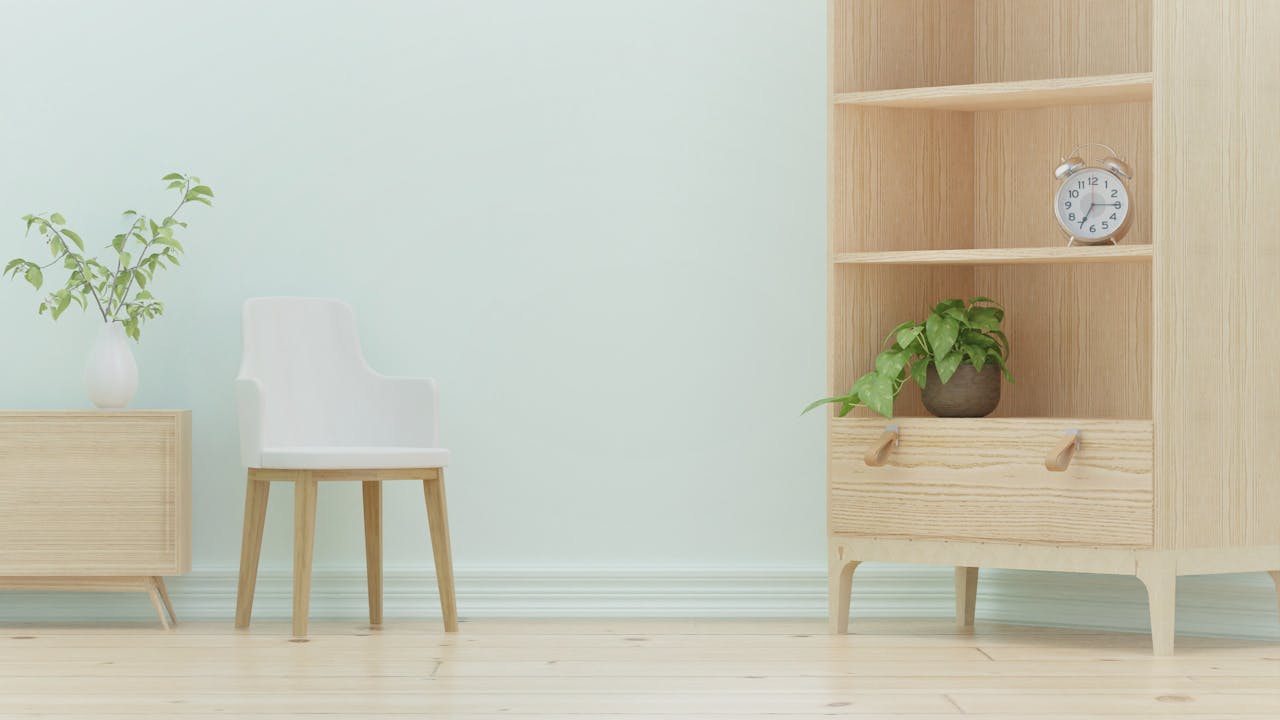
What Is Minimalist Living?
Minimalist living is about intentionally reducing unnecessary possessions and distractions to create more space—physically, mentally, and emotionally.
It doesn’t mean living with nothing. Instead, it means living with only what adds value to your life.
Think of it as editing your life the same way you would edit a photo—removing what doesn’t belong so the important parts stand out.
The Benefits of Minimalist Living
1. Less Stress and Mental Clutter
A cluttered space often leads to a cluttered mind. When your surroundings are simple and organized, your brain has less visual noise to process.
Many people find that minimalism helps them:
- Feel calmer at home
- Focus better on tasks
- Reduce decision fatigue
It’s like clearing background noise so you can finally hear yourself think.
2. More Financial Freedom
Minimalist living naturally reduces unnecessary spending.
You start to:
- Buy fewer impulse items
- Focus on quality over quantity
- Save more money over time
Instead of constantly chasing new things, you begin to value what you already have.
3. Easier Home Maintenance
Less stuff means less cleaning, organizing, and managing.
Benefits include:
- Faster cleaning routines
- More organized spaces
- Less time spent on maintenance
Your home becomes easier to live in, not harder to manage.
4. Better Focus on What Matters
When distractions are reduced, priorities become clearer.
Minimalist living helps people focus on:
- Relationships
- Personal growth
- Health and well-being
- Meaningful experiences
It shifts attention from “having more” to “living better.”
Table: Minimalist Living vs Traditional Lifestyle
|
Aspect |
Traditional Lifestyle |
Minimalist Lifestyle |
|
Possessions |
High quantity |
Low but intentional |
|
Spending habits |
Frequent purchases |
Careful and selective |
|
Home environment |
Busy and full |
Simple and open |
|
Mental state |
Often distracted |
More focused |
|
Maintenance |
Time-consuming |
Easy and efficient |
The Challenges of Minimalist Living
While minimalism has many benefits, it is not always easy to maintain.
1. Letting Go of Emotional Items
One of the hardest parts is parting with belongings that carry memories.
People often struggle with:
- Gifts from loved ones
- Sentimental objects
- Items tied to personal history
Minimalism requires emotional decision-making, not just practical choices.
2. Social Pressure and Misunderstanding
Not everyone understands minimalism.
You might hear things like:
- “Your home looks empty”
- “Why don’t you buy more?”
- “Isn’t that too extreme?”
This can make it challenging to stay consistent with the lifestyle.
3. Finding Balance (Avoiding Extremes)
Minimalism can sometimes go too far if not balanced properly.
Risks include:
- Over-restricting yourself
- Removing useful items unnecessarily
- Creating an uncomfortable living space
The goal is simplicity, not deprivation.
4. Constant Maintenance of Habits
Minimalism isn’t a one-time decision—it’s an ongoing practice.
You need to:
- Regularly declutter
- Avoid impulse buying
- Maintain discipline with consumption
Without consistency, clutter can slowly return.
How to Practice Minimalism in Daily Life
You don’t need a complete lifestyle overhaul to start.
Simple steps include:
- Decluttering one area at a time
- Following the “one in, one out” rule
- Buying only what you need
- Focusing on experiences instead of objects
Small changes can lead to big transformations over time.
The Real Meaning of Minimalist Living
At its core, minimalism isn’t about empty rooms or strict rules. It’s about creating space for a more intentional life.
It helps you ask:
- Do I really need this?
- Does this improve my life?
- What truly brings me value?
The answer to those questions shapes a simpler, more focused lifestyle.

Conclusion
Minimalist living offers powerful benefits like reduced stress, financial freedom, and greater focus. At the same time, it comes with challenges such as emotional attachment, social pressure, and the need for ongoing discipline.
Ultimately, minimalism is not about having less—it’s about making room for more of what truly matters.
When done right, it doesn’t take away from life. It gives it back.
FAQ: Minimalist Living Benefits and Challenges
Yes, minimalism can be adapted for individuals, couples, and families in a balanced way.


Was This Article Helpful?
Click on a star to rate it!
Thank you for your vote!

Average Rating: 0/5 Votes: 0
Be the first to rate this post!

Latest Posts

How Individuals Can Support Animal Protection: Simple Actions That Create Change

The Role of Consumers in Sustainability: How Everyday Choices Can Create Change

Human Rights Challenges in Conflict Zones: Protecting People During Crisis