The Evolution of Streetwear Culture: From Subculture to Global Fashion Powerhouse
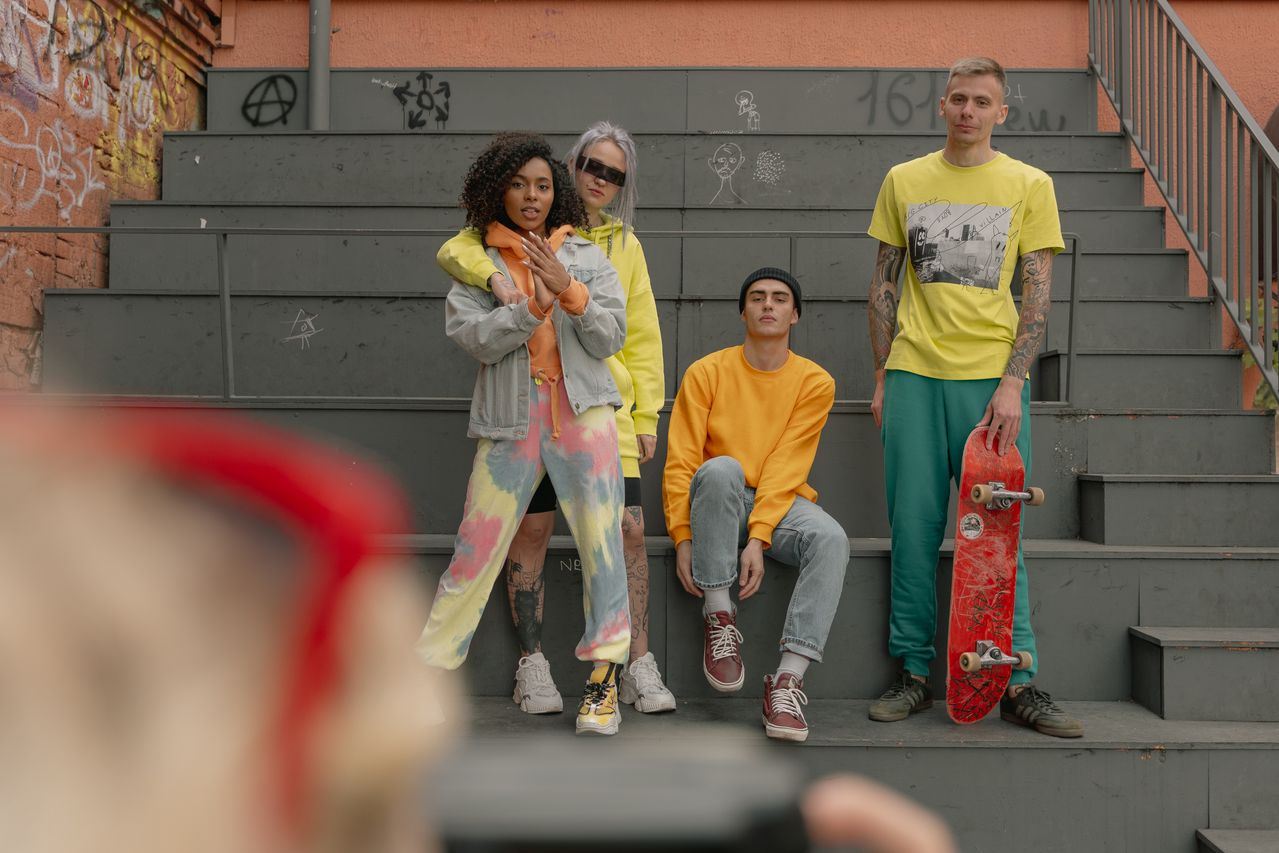
Streetwear is no longer just a niche style—it’s a global fashion movement. What started on the streets of cities like New York and Los Angeles has evolved into a billion-dollar industry influencing luxury fashion, music, sports, and youth culture worldwide.
Streetwear is more than clothing. It’s identity, attitude, and expression stitched into fabric.
Let’s explore how streetwear culture evolved from underground roots to mainstream dominance.
What Is Streetwear?
Streetwear is a fashion style inspired by:
- Skateboarding culture
- Hip-hop music
- Street art and graffiti
- Youth subcultures
- Casual, comfortable clothing
Common items include sneakers, hoodies, graphic tees, oversized fits, and caps.
Think of streetwear as fashion that grew up on the sidewalk, not the runway.
The Early Roots of Streetwear
Streetwear began in the late 1970s and 1980s, influenced heavily by urban youth culture.
Key influences included:
- Skateboarders in California
- Hip-hop communities in New York
- Surf culture in coastal cities
These groups used clothing to express rebellion, identity, and creativity.
Table: Streetwear Evolution Timeline
|
Era |
Key Development |
|
1980s |
Skate and hip-hop influence begins |
|
1990s |
Independent streetwear brands emerge |
|
2000s |
Streetwear enters mainstream fashion |
|
2010s |
Luxury collaborations begin |
|
2020s |
Global digital streetwear culture expands |
The Rise of Iconic Streetwear Brands
In the 1990s and early 2000s, independent brands shaped streetwear identity.
Notable early influences included:
- Supreme
- Stüssy
- A Bathing Ape (BAPE)
- FUBU
- Palace
These brands focused on limited releases, bold designs, and exclusivity.
The Power of Exclusivity and “Hype”
One of streetwear’s defining features is hype culture.
It is driven by:
- Limited product drops
- High demand and scarcity
- Long queues and online sellouts
- Resale markets
This scarcity creates emotional and cultural value around clothing.
Table: Streetwear vs Traditional Fashion
|
Feature |
Streetwear |
Traditional Fashion |
|
Origin |
Street culture |
Luxury houses |
|
Design |
Casual, bold |
Formal, refined |
|
Release style |
Limited drops |
Seasonal collections |
|
Audience |
Youth-driven |
Broad demographics |
|
Marketing |
Social media & hype |
Runway shows |
Hip-Hop and Music Influence
Hip-hop played a huge role in shaping streetwear identity.
Artists influenced fashion by:
- Wearing oversized clothing and sneakers
- Collaborating with brands
- Launching personal fashion lines
- Turning outfits into cultural statements
Music and streetwear became deeply connected forms of expression.
Sneakers: The Heart of Streetwear
Sneakers are one of the most important elements of streetwear culture.
They represent:
- Status and identity
- Collectibility
- Cultural influence
- Artistic design
Brands like Nike and Adidas have become central to streetwear through collaborations and limited releases.
Streetwear Meets Luxury Fashion
In the 2010s, streetwear entered the luxury fashion world.
High-end brands like:
- Louis Vuitton
- Gucci
- Balenciaga
- Dior
began collaborating with streetwear designers and sneaker culture.
This blurred the line between luxury and casual fashion.
The Role of Social Media
Platforms like Instagram, TikTok, and Pinterest transformed streetwear.
They enabled:
- Instant trend sharing
- Influencer marketing
- Global brand exposure
- Resale culture growth
Streetwear became visually driven and highly digital.
Resale Culture and Market Value
Streetwear isn’t just fashion—it’s also an investment market.
Resale platforms allow items to:
- Increase in value over time
- Become collector’s pieces
- Gain rarity-based pricing
Some sneakers and limited drops sell for many times their original price.
Streetwear as Self-Expression
At its core, streetwear is about identity.
People use it to express:
- Personality
- Social belonging
- Creativity
- Cultural alignment
No two outfits tell the same story.
The Globalization of Streetwear
Streetwear is no longer limited to Western cities.
It has grown globally through:
- Asian streetwear scenes (Tokyo, Seoul)
- European fashion districts
- African and Latin American youth culture
- Online global communities
Each region adds its own unique interpretation.
The Future of Streetwear Culture
Streetwear continues to evolve with:
- Sustainable fashion trends
- Digital and NFT fashion items
- AI-designed clothing concepts
- Virtual fashion in gaming and metaverse spaces
- Continued luxury collaborations
The movement is becoming more digital, global, and experimental.
Conclusion
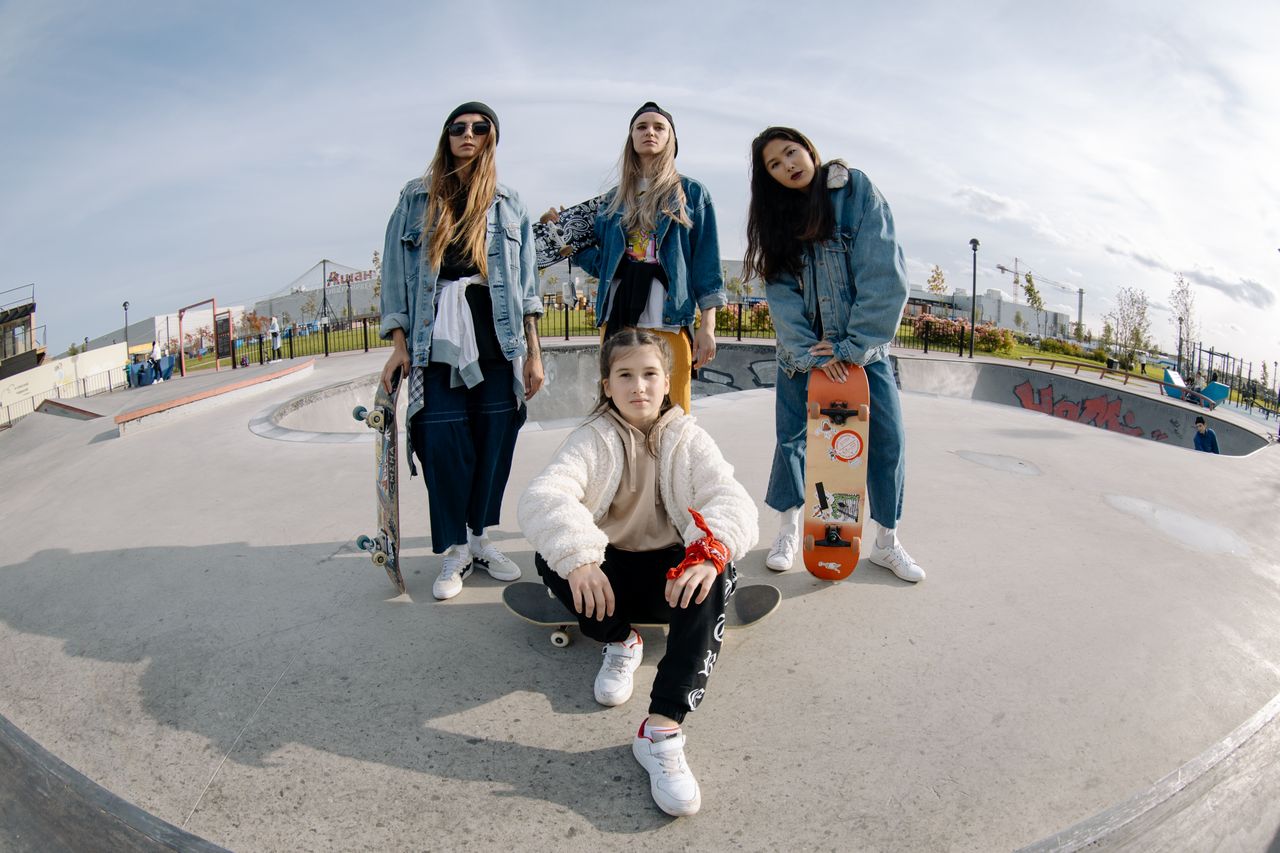
The evolution of streetwear culture shows how fashion can grow from underground self-expression into a global industry. What began as clothing for skaters, musicians, and urban youth has transformed into a powerful cultural force influencing luxury brands, music, and digital trends.
Yet at its core, streetwear remains the same—it’s about individuality, creativity, and telling your story through what you wear.
FAQ: The Evolution of Streetwear Culture
Supreme, Stüssy, BAPE, Nike, and Adidas are major names in the culture.


Was This Article Helpful?
Click on a star to rate it!
Thank you for your vote!

Average Rating: 0/5 Votes: 0
Be the first to rate this post!

Tech entrepreneur & digital strategist with over 9 years of experience in backend development and more than 5 years in executive leadership. Education Software and Web developer. More than 20 years of experience in software and web development.
View LinkedIn ProfileLatest Posts

How Individuals Can Support Animal Protection: Simple Actions That Create Change

The Role of Consumers in Sustainability: How Everyday Choices Can Create Change

Human Rights Challenges in Conflict Zones: Protecting People During Crisis