Sustainable Fashion and Eco-Friendly Brands: The Future of What We Wear
Fashion is one of the most expressive parts of human life—but it also has a hidden cost. Behind fast-changing trends and cheap clothing lies a growing environmental problem. That’s where sustainable fashion and eco-friendly brands come in, offering a smarter and more responsible way to dress.
So what does sustainable fashion really mean, and why is it becoming such a big movement? Let’s explore.
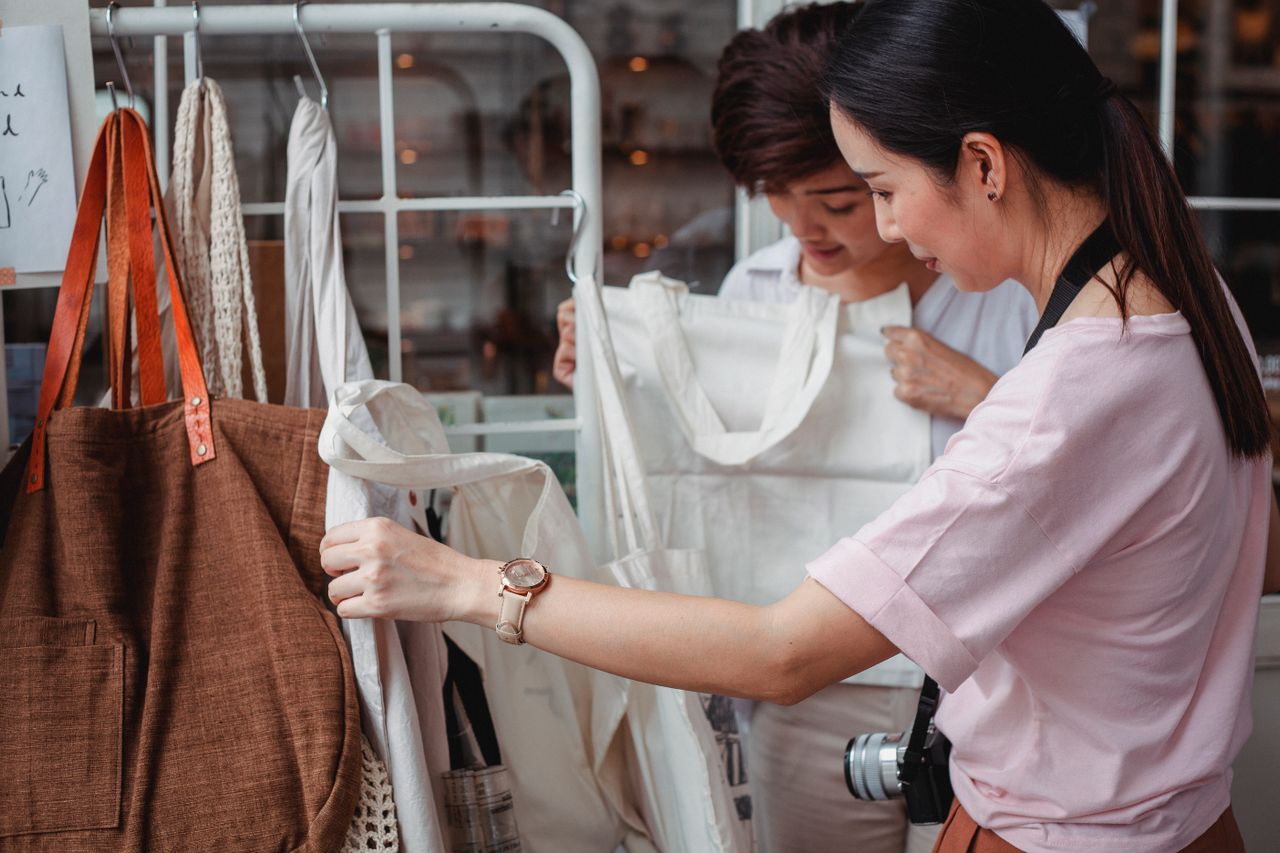
What Is Sustainable Fashion?
Sustainable fashion is about designing, producing, and consuming clothing in a way that reduces harm to the environment and improves working conditions.
It focuses on:
- Using eco-friendly materials
- Reducing waste and pollution
- Ethical labor practices
- Long-lasting clothing instead of fast trends
Think of it as fashion that cares about both people and the planet.
The Problem with Fast Fashion
Fast fashion refers to cheap, quickly produced clothing designed to follow trends that change rapidly.
While it’s affordable and accessible, it comes with major issues:
- Massive textile waste
- High water and energy consumption
- Pollution from dyeing processes
- Poor working conditions in some factories
It’s like buying disposable clothing—wear it a few times, then throw it away.
What Makes a Brand Eco-Friendly?
Eco-friendly fashion brands focus on reducing environmental impact at every stage of production.
They often:
- Use organic or recycled materials
- Reduce water and chemical usage
- Promote fair wages and safe working conditions
- Design durable, long-lasting products
- Use sustainable packaging
These brands aim to create clothing that doesn’t cost the Earth.
Popular Sustainable Materials
Eco-friendly fashion relies on materials that are less harmful to the environment.
Some common ones include:
- Organic cotton
- Bamboo fabric
- Recycled polyester
- Hemp
- Tencel (wood-based fibers)
These materials use fewer resources and produce less pollution compared to conventional fabrics.
Table: Fast Fashion vs Sustainable Fashion
|
Feature |
Fast Fashion |
Sustainable Fashion |
|
Production speed |
Very fast |
Slower, intentional |
|
Materials |
Synthetic, low-cost |
Organic, recycled |
|
Environmental impact |
High pollution |
Reduced impact |
|
Clothing lifespan |
Short |
Long-lasting |
|
Ethics |
Often questionable |
Fair labor practices |
Why Sustainable Fashion Matters
The fashion industry is one of the largest polluters in the world. Switching to sustainable practices helps:
- Reduce landfill waste
- Lower carbon emissions
- Save water resources
- Improve worker conditions
- Encourage responsible consumption
Every small choice—like buying fewer but better clothes—adds up to a big impact.
The Rise of Eco-Friendly Brands
In recent years, many brands have embraced sustainability as a core value.
These companies often:
- Share transparent supply chains
- Use recycled or biodegradable packaging
- Offer repair or recycling programs
- Focus on timeless designs instead of trends
Consumers are increasingly choosing brands that align with their values, not just their style.
How Consumers Are Changing Fashion
The shift toward sustainability isn’t just happening in factories—it’s happening in wardrobes.
People are now:
- Buying less but higher-quality clothing
- Choosing second-hand or thrift shopping
- Renting outfits for special occasions
- Supporting ethical brands
This change shows that fashion is becoming more thoughtful and less impulsive.
Challenges in Sustainable Fashion
Even with growing awareness, there are still challenges:
- Higher production costs
- Limited availability in some regions
- Greenwashing (fake sustainability claims)
- Slower production timelines
- Consumer habits that still favor cheap fast fashion
Despite these obstacles, the industry is steadily moving in a greener direction.
The Future of Fashion
The future of fashion is likely to be:
- More circular (reuse and recycle systems)
- Powered by sustainable materials
- Supported by technology like AI-driven design
- Focused on longevity over trends
Imagine a fashion industry where clothes are designed to be reused, repaired, and recycled endlessly—that’s where things are heading.

Conclusion
Sustainable fashion and eco-friendly brands are reshaping the way we think about clothing. Instead of fast, disposable trends, the focus is shifting toward quality, ethics, and environmental responsibility.
Every purchase becomes a choice—not just about style, but about impact. And as more people embrace this mindset, fashion becomes not just a form of expression, but a force for positive change.
FAQ: Sustainable Fashion and Eco-Friendly Brands
Organic cotton, bamboo, hemp, recycled polyester, and Tencel are commonly used eco-friendly fabrics.


Was This Article Helpful?
Click on a star to rate it!
Thank you for your vote!

Average Rating: 0/5 Votes: 0
Be the first to rate this post!

Latest Posts

How Individuals Can Support Animal Protection: Simple Actions That Create Change

The Role of Consumers in Sustainability: How Everyday Choices Can Create Change
Human Rights Challenges in Conflict Zones: Protecting People During Crisis