Is Renting Becoming the New Normal? Understanding the Shift in Modern Housing
For many people, owning a home has long been considered a major life goal. However, rising property prices, changing lifestyles, and economic uncertainty are causing more individuals and families to choose renting instead. In many cities around the world, renting is no longer viewed as a temporary solution—it’s becoming a long-term lifestyle choice.
So, is renting truly becoming the new normal? Let’s take a closer look at the factors driving this trend.
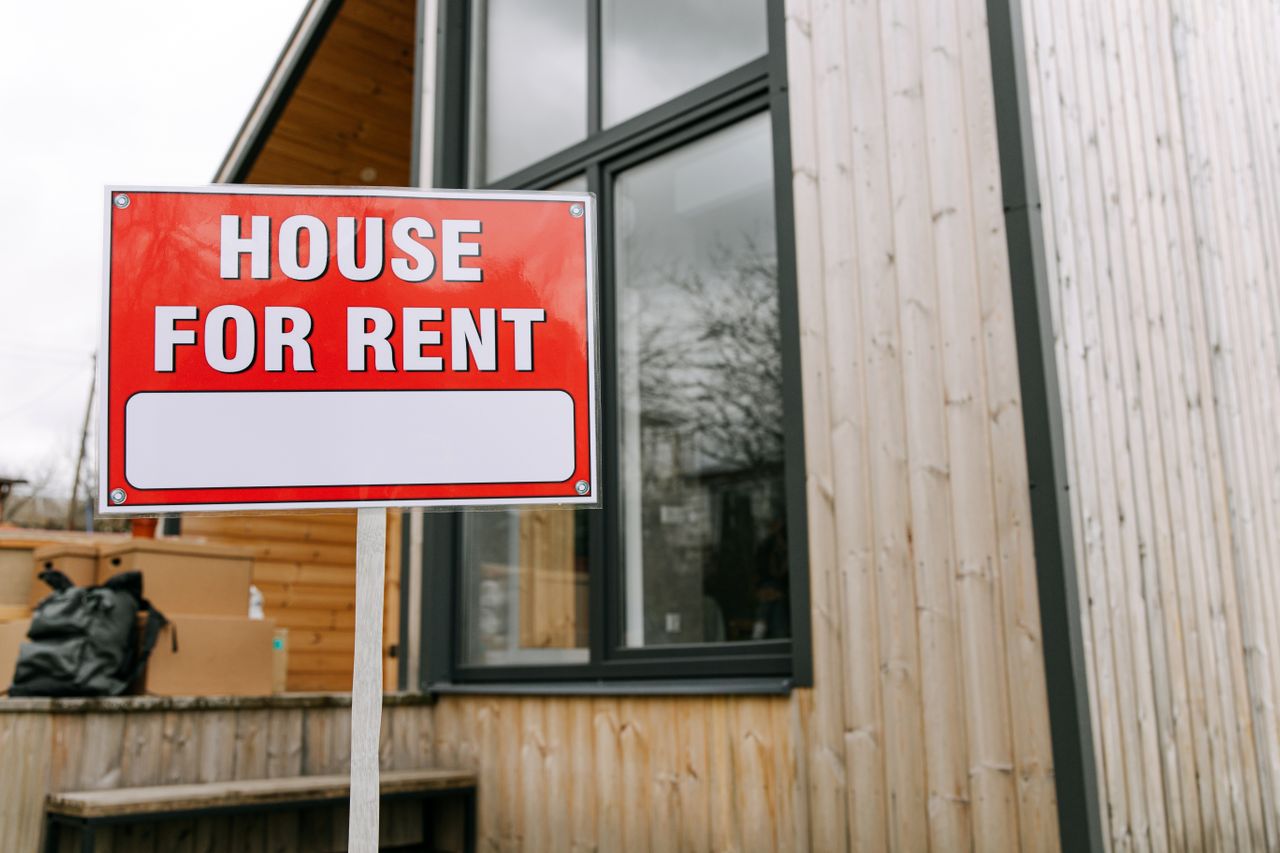
Why More People Are Choosing to Rent
Several economic and social changes have made renting a more attractive option.
Some of the main reasons include:
- Rising home prices
- Higher mortgage interest rates
- Increased cost of living
- Greater job mobility
- Preference for flexible living arrangements
For many people, renting offers financial flexibility that homeownership may not provide.
The Rising Cost of Homeownership
Buying a home often requires a significant financial commitment.
Potential homeowners must consider:
- Down payments
- Mortgage payments
- Property taxes
- Home insurance
- Maintenance and repair costs
These expenses can make homeownership difficult, especially for first-time buyers.
Renting usually involves lower upfront costs, making it more accessible.
Flexibility Is a Major Advantage
One of the biggest benefits of renting is flexibility.
Renters can:
- Move more easily for career opportunities
- Try living in different neighborhoods
- Avoid long-term financial commitments
- Adapt quickly to lifestyle changes
Think of renting as traveling with a lightweight backpack instead of carrying a heavy suitcase—you have more freedom to change direction.
Table: Renting vs Homeownership
|
Factor |
Renting |
Homeownership |
|
Upfront costs |
Usually lower |
Often much higher |
|
Monthly expenses |
Rent payment |
Mortgage, taxes, maintenance |
|
Flexibility |
High |
Lower |
|
Maintenance responsibility |
Usually landlord |
Homeowner |
|
Building equity |
No |
Yes |
Changing Attitudes Toward Ownership
Younger generations are increasingly valuing experiences and flexibility over ownership.
Many people now prioritize:
- Career growth
- Travel opportunities
- Remote work flexibility
- Financial freedom
Rather than seeing renting as a temporary stage, some view it as a practical long-term decision.
The Financial Trade-Off
Renting and buying each have financial advantages and disadvantages.
Renting may offer:
- Predictable monthly housing costs
- Lower maintenance expenses
- Greater liquidity for savings or investments
Homeownership may offer:
- Long-term equity
- Potential property value appreciation
- Greater control over the living space
The better choice often depends on personal goals, financial stability, and local housing markets.
Urban Living and Rental Demand
Large cities continue to attract people seeking education, employment, and entertainment.
As a result:
- Rental demand remains high
- Apartment living becomes more common
- Shorter-term housing options increase
Urban lifestyles often align well with the flexibility that renting provides.
Technology Is Changing the Rental Market
Digital tools have made renting easier than ever.
Modern renters can:
- Search properties online
- Take virtual tours
- Sign leases electronically
- Pay rent through mobile apps
Technology has simplified the rental process, making it faster and more convenient.
Table: Factors Driving the Growth of Renting
|
Factor |
Impact on Renting |
|
Rising housing prices |
Increases demand for rentals |
|
Higher interest rates |
Makes buying less affordable |
|
Job mobility |
Encourages flexible housing |
|
Urbanization |
Expands rental markets |
|
Digital technology |
Simplifies renting experience |
Challenges of Long-Term Renting
Although renting offers flexibility, it also comes with challenges.
Common concerns include:
- Annual rent increases
- Limited ability to customize the property
- Less long-term housing security
- No equity accumulation
Understanding these limitations helps renters make informed decisions.
Is Homeownership Still the Goal?
For many people, homeownership remains an important financial and personal objective.
Owning a home can provide:
- Stability
- Long-term investment potential
- Greater control over the property
However, renting is no longer viewed simply as a stepping stone. For many households, it is a deliberate choice that better fits their lifestyle and financial priorities.

Conclusion
Renting is becoming increasingly common as housing markets, career paths, and personal priorities continue to evolve. Rising home prices, changing work patterns, and the desire for flexibility have made renting an attractive option for many people.
While homeownership continues to offer long-term financial benefits, renting provides freedom, convenience, and lower upfront costs. The right choice depends on your financial situation, career plans, and personal goals.
Ultimately, there is no one-size-fits-all answer. In today's changing world, both renting and owning can be smart decisions when they align with your needs.
FAQ: Is Renting Becoming the New Normal?
The best choice depends on your financial goals, income stability, location, and how long you plan to stay in one place.


Was This Article Helpful?
Click on a star to rate it!
Thank you for your vote!

Average Rating: 0/5 Votes: 0
Be the first to rate this post!

Proficient background in project planning, execution, and continuous improvement. Experienced in analyzing ideas and forecasting project success, defining requirements and timelines, and managing communication across cross-functional teams. Skilled in creating and maintaining project documentation, automating processes, and making data-driven decisions in critical situations.
View LinkedIn ProfileLatest Posts

Marine Life Conservation Initiatives

Sustainable Agriculture and Food Systems

Gender Equality and Human Rights Progress