Understanding Modern Art Movements: A Journey Through Creativity and Change
Modern art is often misunderstood, but it represents one of the most exciting shifts in creative history. It broke away from traditional rules and opened the door to experimentation, emotion, and personal expression. Instead of focusing only on realistic representation, modern art explores ideas, feelings, and perspectives in bold new ways.
To understand modern art movements, we need to see how artists challenged tradition and reshaped the meaning of art itself.
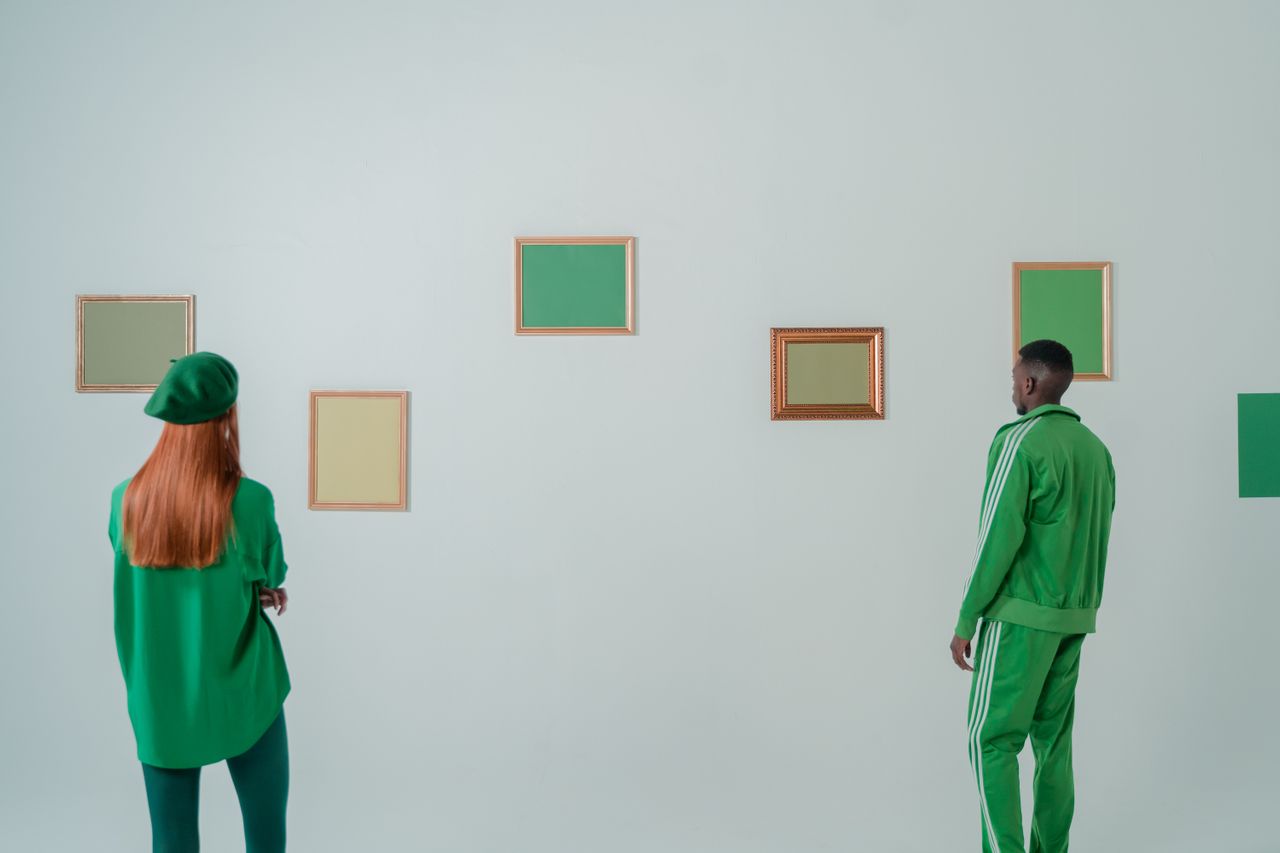
What Is Modern Art?
Modern art refers to artistic works created roughly from the late 19th century to the mid-20th century (and its influence continues today).
Unlike classical art, modern art:
- Breaks traditional rules of realism
- Focuses on expression over accuracy
- Encourages experimentation
- Reflects social and cultural change
Think of it as art that stopped trying to “copy the world” and started trying to “interpret the world.”
Impressionism: Capturing Light and Moments
Impressionism was one of the first major modern art movements.
Artists focused on:
- Light and color
- Everyday scenes
- Quick brush strokes
- Capturing fleeting moments
Instead of perfect detail, they aimed to show how a moment feels.
It’s like taking a snapshot of emotion rather than a detailed photograph.
Table: Key Modern Art Movements
|
Movement |
Focus |
Style |
|
Impressionism |
Light & everyday life |
Soft, visible brush strokes |
|
Cubism |
Geometric form |
Fragmented perspectives |
|
Surrealism |
Dreams & subconscious |
Strange, symbolic imagery |
|
Expressionism |
Emotion |
Distorted, intense visuals |
|
Abstract Art |
Pure form & color |
Non-representational |
Cubism: Breaking Reality Apart
Cubism changed how people see objects.
Instead of showing one perspective, artists like Picasso showed multiple angles at once.
Cubism is:
- Geometric and fragmented
- Non-realistic
- Focused on structure rather than appearance
It’s like looking at something from every angle at the same time.
Surrealism: Art of Dreams
Surrealism explores the subconscious mind.
It often features:
- Dreamlike scenes
- Strange combinations of objects
- Symbolic meaning
- Unexpected imagery
Surrealist art feels like stepping into a dream where logic doesn’t apply, but emotions feel real.
Expressionism: Emotion Over Reality
Expressionism focuses on emotional intensity rather than realistic depiction.
Artists often use:
- Bold colors
- Distorted shapes
- Dramatic scenes
The goal is not to show what something looks like—but how it feels.
Abstract Art: Beyond Physical Representation
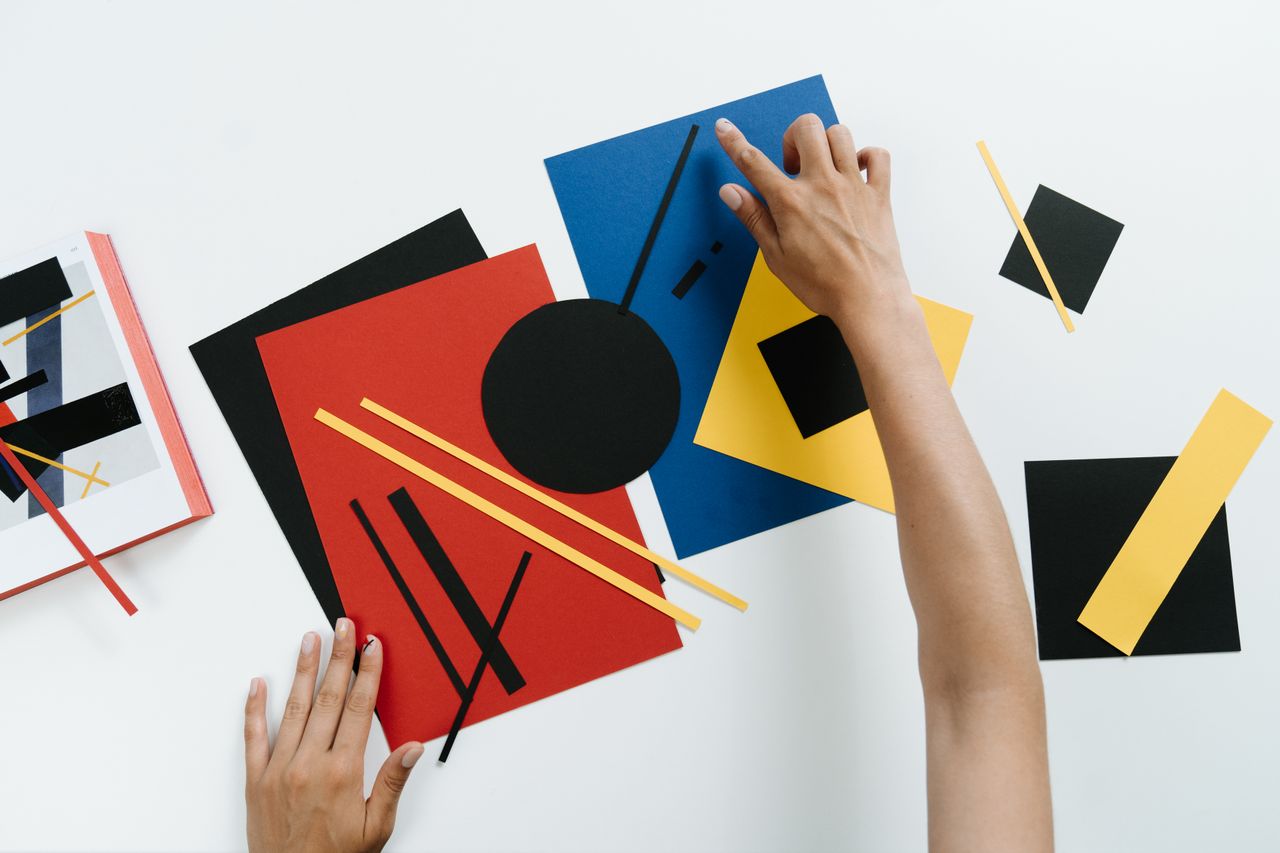
Abstract art removes recognizable objects altogether or reduces them to shapes and colors.
It emphasizes:
- Form
- Color
- Composition
- Emotional interpretation
Each viewer may see something different, which makes it highly personal.
Table: How Modern Art Differs from Classical Art
|
Feature |
Classical Art |
Modern Art |
|
Goal |
Realism |
Expression |
|
Technique |
Precise detail |
Experimentation |
|
Subject |
Religious/history |
Everyday life & ideas |
|
Interpretation |
Fixed meaning |
Open to interpretation |
|
Style |
Traditional |
Innovative |
The Role of Innovation in Modern Art
Modern art movements emerged during times of major change:
- Industrial revolution
- World wars
- Urbanization
- Scientific discoveries
Artists responded by breaking away from tradition and experimenting with new ways of seeing the world.
How Modern Art Changed Creativity
Modern art expanded the definition of what art could be.
It introduced:
- Freedom of expression
- Personal interpretation
- Mixed media experimentation
- Non-traditional materials
Suddenly, anything could be art if it carried meaning.
Why People Often Find Modern Art Confusing
Modern art can feel confusing because:
- It doesn’t always look “realistic”
- Meaning is often abstract
- Interpretation is subjective
- It challenges traditional expectations
But that confusion is part of the experience—it encourages viewers to think differently.
Modern Art in Today’s World
Modern art continues to influence:
- Graphic design
- Advertising
- Film and animation
- Digital art
- Architecture
Even social media visuals often borrow modern art principles like abstraction and bold color use.
The Evolution into Contemporary Art
Modern art eventually evolved into contemporary art, which:
- Includes digital and multimedia works
- Often reflects current social issues
- Blends multiple styles and mediums
- Uses technology in creation
The boundary between traditional and modern continues to blur.
Conclusion
Understanding modern art movements is about more than recognizing styles—it’s about understanding a shift in how humans express creativity. From Impressionism’s light-filled moments to Surrealism’s dreamlike worlds, modern art challenged tradition and opened endless possibilities for expression.
Even if it sometimes feels abstract or confusing, modern art invites us to look deeper, think differently, and see the world through a more imaginative lens.
FAQ: Understanding Modern Art Movements
Yes, it strongly influences contemporary art, design, and digital media.


Was This Article Helpful?
Click on a star to rate it!
Thank you for your vote!

Average Rating: 0/5 Votes: 0
Be the first to rate this post!

Strong engineering background in mobile and backend development. Focusing on building scalable products, improving development processes — from architecture and APIs to UX redesigns, monetization, and analytics. Responsible for applications with 1M+ downloads and multi-project ecosystems.
View LinkedIn ProfileLatest Posts

Common Personal Finance Mistakes to Avoid

SEO Content Strategies That Rank Higher

How Economic Trends Influence Investment Markets