Article Plan
- The Rise of Smartphone Photography
- Why Smartphones Feel So Powerful
- Professional Cameras: The Gold Standard
- Image Quality: Detail vs Convenience
- Portability and Everyday Use
- Creative Control: Who Has the Edge?
- Low-Light Photography: A Tight Competition
- Table: Smartphone vs Professional Camera
- The Role of AI in Photography
- Who Should Use What?
- Conclusion
- FAQ: Smartphone Photography vs Professional Cameras
Smartphone Photography vs Professional Cameras: Which One Really Wins?
Photography has never been more accessible. With a smartphone in almost every pocket, anyone can capture high-quality images in seconds. At the same time, professional cameras still dominate studios, weddings, and commercial shoots.
So which one is better—smartphones or professional cameras?
The honest answer: it depends on what you’re trying to create. Let’s break it down.
The Rise of Smartphone Photography
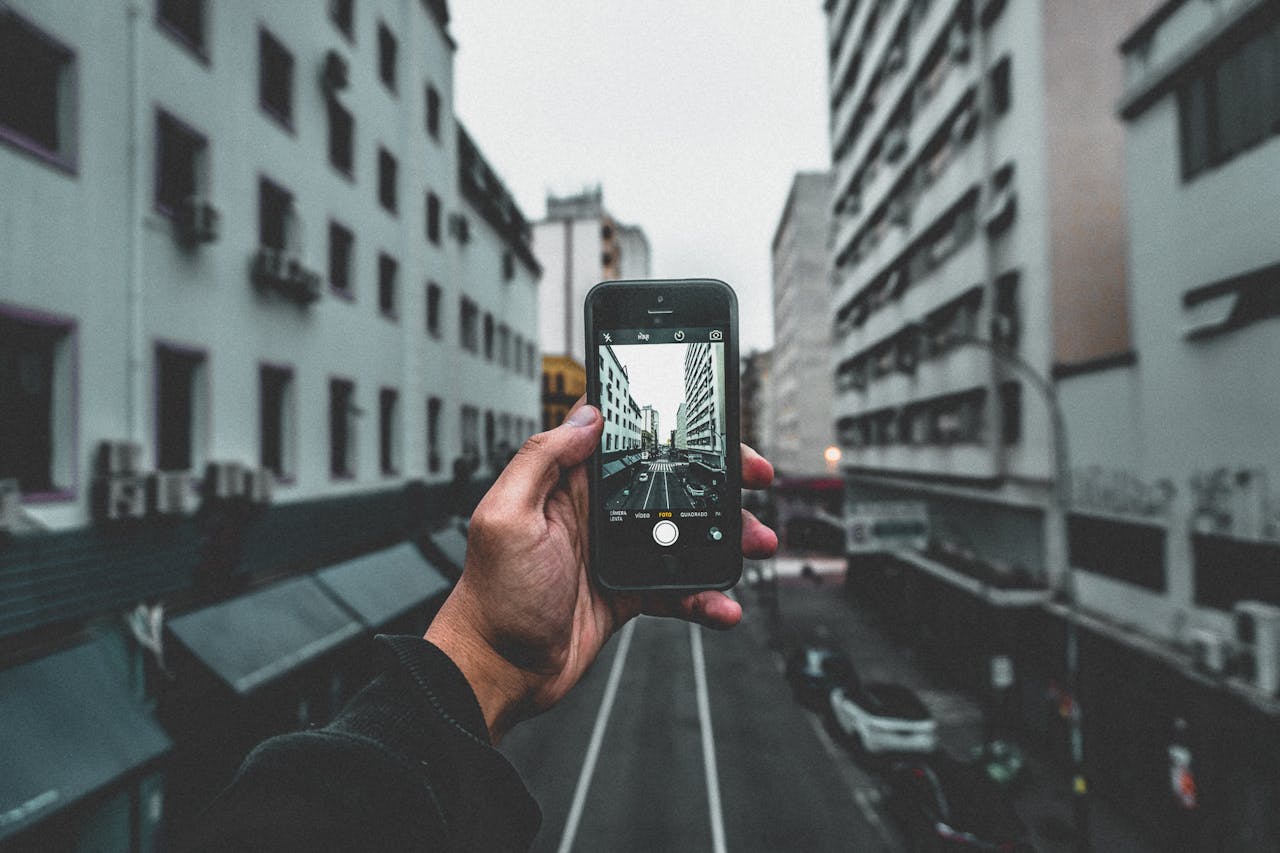
Smartphones have completely changed how we take photos. What used to require expensive equipment can now be done with a device you already carry every day.
Modern smartphones offer:
- Multiple lenses (wide, ultra-wide, zoom)
- AI-powered image processing
- Night mode for low light
- Instant editing and sharing
It’s like having a mini photo studio in your pocket—always ready, always connected.
Why Smartphones Feel So Powerful
One of the biggest advantages of smartphones is computational photography.
Instead of relying only on the lens, phones use software to:
- Combine multiple shots into one image
- Improve lighting and colors automatically
- Reduce noise in low-light photos
- Enhance facial details and sharpness
In simple terms, your phone doesn’t just take a photo—it builds it.
Professional Cameras: The Gold Standard
Despite smartphone advancements, professional cameras still lead in many areas.
They offer:
- Larger sensors for better image quality
- Full manual control over settings
- Interchangeable lenses
- Superior depth and dynamic range
Think of a professional camera like a painter’s full toolkit—everything is adjustable, precise, and built for control.
Image Quality: Detail vs Convenience
When it comes to pure image quality, professional cameras still win—especially in challenging conditions.
|
Feature |
Smartphone |
Professional Camera |
|
Sensor size |
Small |
Large |
|
Low-light performance |
Good (AI-enhanced) |
Excellent |
|
Detail retention |
High (processed) |
Very high (natural) |
|
Portability |
Excellent |
Limited |
|
Ease of use |
Very easy |
Requires skill |
Smartphones rely on software to compensate for hardware limits, while professional cameras rely on physical engineering.
Portability and Everyday Use
Here’s where smartphones dominate completely.
You always have your phone with you, which means:
- No missed moments
- Instant sharing on social media
- Quick editing on the go
- No extra gear to carry
Professional cameras, on the other hand, require planning. You bring them when you expect to shoot—not for spontaneous moments.
It’s the difference between a pocket notebook and a full writing desk.
Creative Control: Who Has the Edge?
Professional cameras give photographers full control over:
- Aperture
- Shutter speed
- ISO settings
- Lens choice
This allows for more artistic expression and precision.
Smartphones, while improving, still limit manual control compared to dedicated cameras.
If photography is your craft, control matters. If photography is your convenience, simplicity wins.
Low-Light Photography: A Tight Competition
Low-light performance used to be a clear win for professional cameras. But smartphones have caught up quickly.
Smartphones use:
- Night mode stacking
- AI noise reduction
- Long exposure simulation
Professional cameras still produce more natural results, but smartphones now deliver impressive results for casual use.
It’s no longer a one-sided battle.
Table: Smartphone vs Professional Camera
|
Category |
Winner |
Why |
|
Portability |
Smartphone |
Always with you |
|
Image quality |
Professional camera |
Larger sensor, better optics |
|
Ease of use |
Smartphone |
Automatic settings |
|
Creative control |
Professional camera |
Full manual settings |
|
Sharing speed |
Smartphone |
Instant uploads |
|
Low-light performance |
Professional camera |
Better hardware |
The Role of AI in Photography
AI is the biggest reason smartphones have improved so fast.
It helps with:
- Auto scene detection
- Facial enhancement
- Background blur (portrait mode)
- Color correction
In many ways, AI is acting like a built-in photo editor that works before you even press “save.”
Who Should Use What?
The answer depends on your goals:
Choose a smartphone if you want:
- Everyday photography
- Social media content
- Convenience and speed
- Casual creativity
Choose a professional camera if you want:
- High-end photography work
- Commercial or studio shoots
- Full creative control
- Maximum image quality
Many photographers actually use both—smartphones for everyday moments and cameras for serious projects.
Conclusion
Smartphone photography and professional cameras are not enemies—they’re tools for different needs. Smartphones win in convenience, speed, and accessibility. Professional cameras win in control, detail, and artistic depth.
Instead of asking which is better, the real question is: what do you want to create?
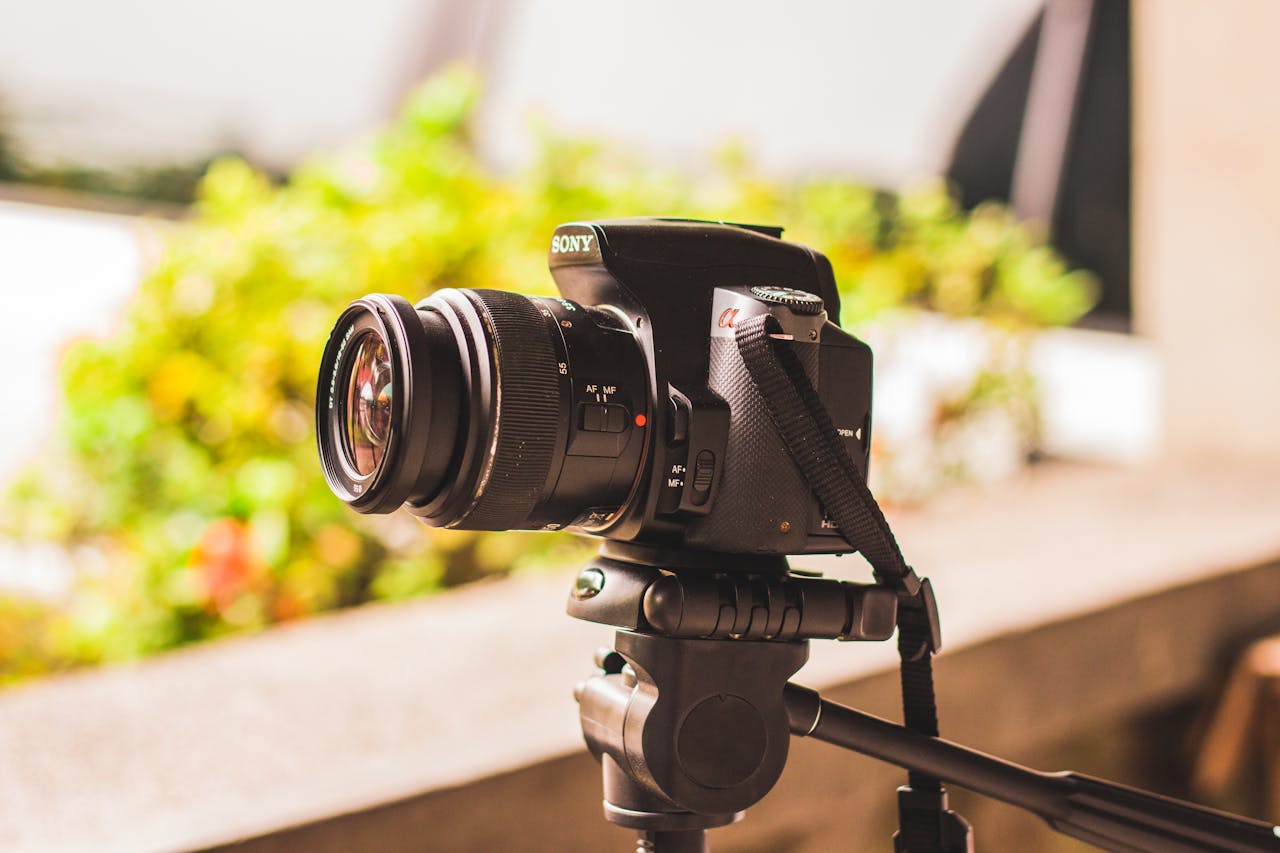
In today’s world, the best camera is the one that helps you tell your story—whether it fits in your pocket or sits on a tripod.
FAQ: Smartphone Photography vs Professional Cameras
Smartphones are best for beginners because they are easy to use and always available.


Was This Article Helpful?
Click on a star to rate it!
Thank you for your vote!

Average Rating: 5/5 Votes: 1
Be the first to rate this post!

Latest Posts

How Individuals Can Support Animal Protection: Simple Actions That Create Change

The Role of Consumers in Sustainability: How Everyday Choices Can Create Change

Human Rights Challenges in Conflict Zones: Protecting People During Crisis