The Rise of Independent Artists in the Streaming Age
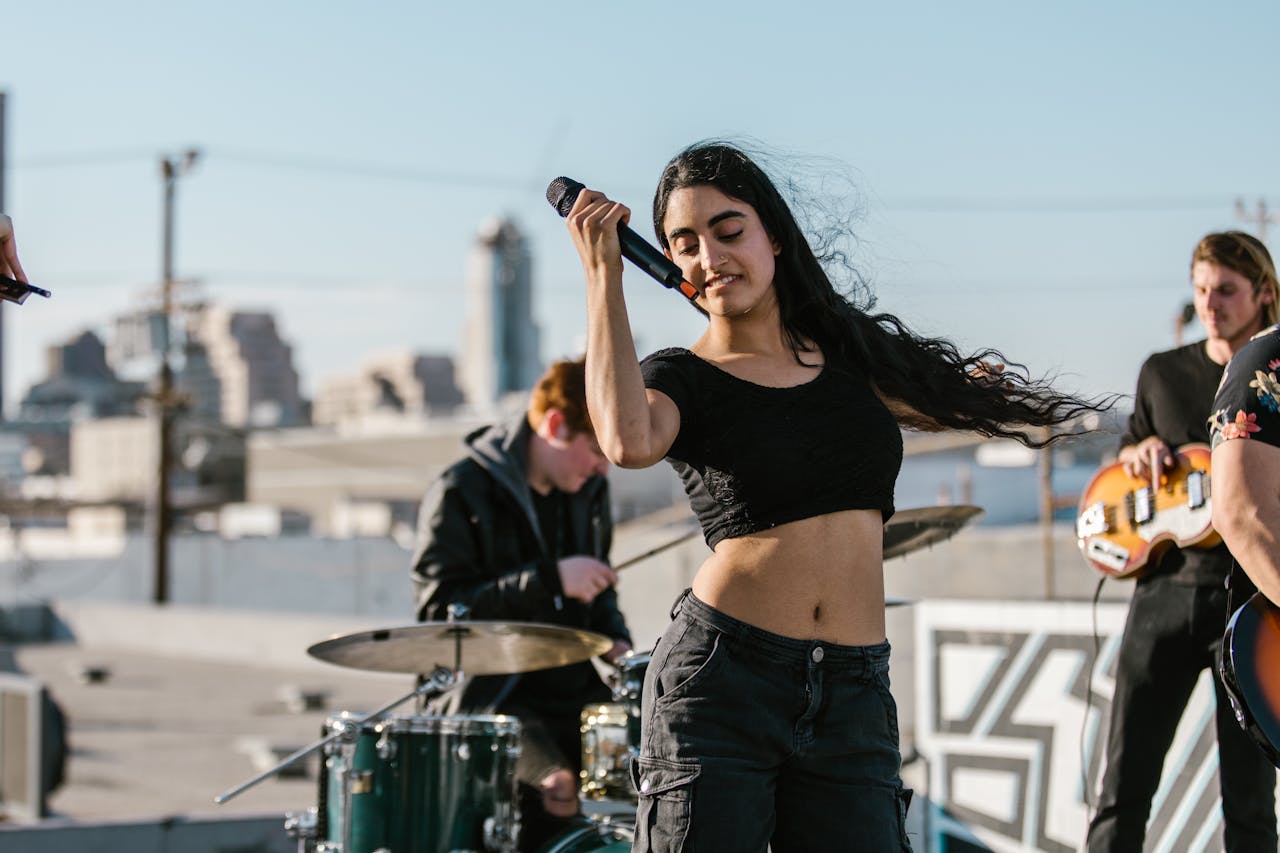
The music industry has changed more in the last 10–15 years than in the previous half-century. Today, you don’t need a record label, a fancy studio, or even a physical CD deal to reach millions of listeners. All you need is talent, consistency, and access to streaming platforms.
Independent artists are no longer “outside” the system—they’re becoming the system.
Let’s look at how the streaming age is reshaping careers for musicians around the world.
Breaking Free from Traditional Gatekeepers
In the past, getting noticed meant convincing a record label to sign you. Labels controlled:
- Recording budgets
- Distribution channels
- Marketing campaigns
- Radio exposure
Now, streaming platforms have removed many of those barriers.
Artists can upload music directly to platforms like Spotify, Apple Music, or YouTube and reach a global audience instantly.
This shift has turned the music industry from a locked door into an open field.
Streaming Platforms as Global Stages
Streaming has made geography almost irrelevant.
An independent artist in a small town can now:
- Release music worldwide instantly
- Gain listeners from multiple continents
- Build a fanbase without touring first
Instead of relying on local radio stations or physical sales, artists are discovered through playlists, algorithms, and shares.
It’s like performing on a stage with no walls—anyone, anywhere can be watching.
The Power of Algorithmic Discovery
One of the biggest game-changers is recommendation algorithms.
Streaming platforms analyze:
- What users listen to
- How long they listen
- What they replay or skip
- Similar artists and genres
Then they recommend new music automatically.
This means independent artists don’t need massive marketing budgets to be discovered. A single playlist placement can change everything.
It’s like having a digital radio DJ that never sleeps and constantly introduces new talent.
Direct Connection with Fans
Independent artists today are not just musicians—they are also content creators.
Through platforms like:
- TikTok
- YouTube
- Spotify fan tools
Artists can:
- Share behind-the-scenes content
- Engage directly with listeners
- Build loyal communities
- Promote new releases instantly
This direct relationship removes distance between artist and audience. Fans don’t just listen—they participate.
More Control Over Creative Direction
Without label pressure, independent artists have more freedom than ever before.
They can:
- Experiment with genres
- Release music on their own schedule
- Maintain artistic identity
- Avoid commercial constraints
Think of it like cooking your own recipe instead of following a strict restaurant menu—you decide the flavor, timing, and presentation.
Table: Traditional Music Industry vs Streaming Age
| Feature | Traditional Model | Streaming Age |
| Entry barrier | High (label required) | Low (self-upload) |
| Distribution | Physical + radio | Global streaming platforms |
| Marketing | Label-controlled | Artist + social media |
| Revenue | Album sales | Streams + fan monetization |
| Creative control | Limited | High |
New Income Opportunities for Independent Artists
Streaming doesn’t just offer exposure—it also creates multiple income streams.
Artists now earn from:
- Streaming royalties
- Digital downloads
- Merchandise sales
- Live performances
- Crowdfunding and fan support
While streaming payouts alone may be small per play, combined income sources can build sustainable careers.
Challenges in the Streaming Era
Despite the opportunities, independent artists also face challenges:
- Oversaturation of content (millions of songs uploaded)
- Low per-stream payouts
- Heavy reliance on algorithms
- Constant need for self-promotion
- Pressure to stay visible online
In other words, freedom comes with responsibility—and competition.
The Rise of DIY Music Careers
The “do-it-yourself” approach is now mainstream.
Independent artists often handle:
- Recording and production
- Branding and visuals
- Social media marketing
- Distribution and analytics
Technology has turned musicians into full creative entrepreneurs.
It’s like running a small business where the product is your art.
How Viral Moments Change Everything
In the streaming age, one viral moment can launch a career overnight.
A song featured in:
- A TikTok trend
- A popular playlist
- A TV show or ad
…can explode in popularity within days.
This unpredictability means success is no longer strictly tied to industry connections—it can come from anywhere.
Conclusion
The rise of independent artists in the streaming age represents one of the biggest shifts in music history. Power has moved away from traditional gatekeepers and toward creators themselves.
While challenges like competition and visibility still exist, the opportunities for global reach, creative freedom, and direct fan connection have never been greater.
In today’s music world, independence is no longer a limitation—it’s a launchpad.
FAQ: How Streaming Platforms Are Changing the Film Industry
It’s more competitive, but also more accessible—success depends on consistency, strategy, and audience connection.


Was This Article Helpful?
Click on a star to rate it!
Thank you for your vote!

Average Rating: 0/5 Votes: 0
Be the first to rate this post!

Latest Posts

How Individuals Can Support Animal Protection: Simple Actions That Create Change
The Role of Consumers in Sustainability: How Everyday Choices Can Create Change

Human Rights Challenges in Conflict Zones: Protecting People During Crisis