How Streaming Platforms Are Changing the Film Industry
The film industry isn’t what it used to be—and streaming platforms are the main reason why. Gone are the days when you had to wait for a movie to hit cinemas or DVD stores. Now, everything is just a click away.
But this shift is more than convenience. It’s reshaping how movies are made, funded, distributed, and even how stories are told.
Let’s explore how streaming platforms are transforming the film industry from the inside out.
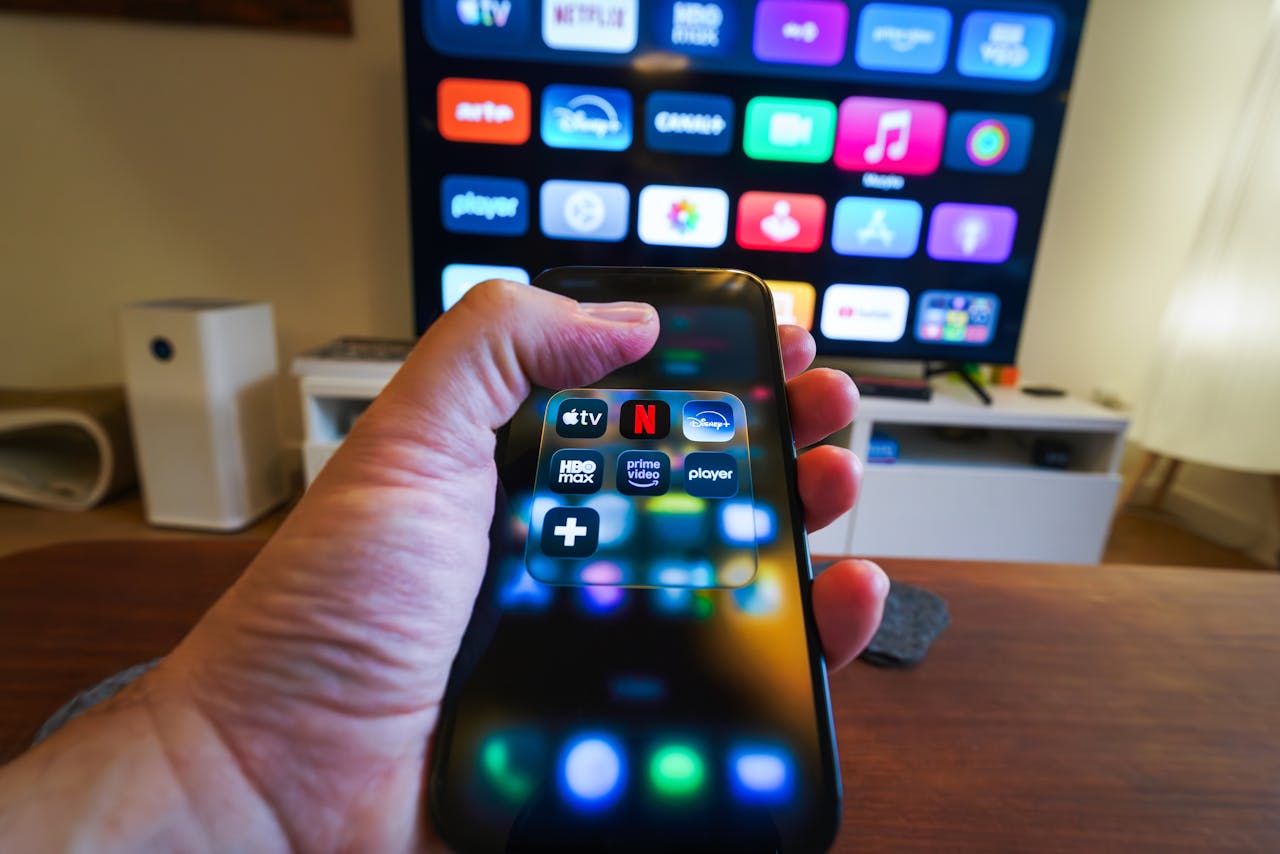
From Cinema Halls to Personal Screens
Traditionally, movies followed a simple path: production → cinema release → home media. Streaming platforms have completely disrupted that model.
Now, films often:
- Release directly online
- Skip traditional theaters entirely
- Reach global audiences instantly
This change has turned your living room into a personal cinema. You’re no longer waiting for “movie night”—every night can be movie night.
The Rise of Original Content
Streaming platforms didn’t just distribute movies—they started producing them.
Companies like Netflix, Amazon Prime Video, and Disney+ are investing heavily in original films and series.
Why? Because exclusive content attracts subscribers.
This has led to:
- More creative freedom for filmmakers
- Higher competition between platforms
- Increased production budgets for streaming-only films
Instead of pitching to traditional studios, creators now pitch directly to streaming giants.
Global Audiences, Local Stories
One of the biggest impacts of streaming is global reach.
A film made in South Korea can become a global hit overnight. A Spanish series can trend in the United States within days.
This has encouraged:
- More international storytelling
- Diverse casts and cultures
- Cross-border collaborations
Streaming platforms have essentially removed geographical limits from filmmaking.
How Streaming Changes What We Watch
Streaming platforms use data to understand viewer behavior. This influences what gets produced.
They analyze:
- What people watch
- How long they watch
- What they stop watching
- What genres are trending
This means content is increasingly shaped by audience behavior rather than just creative instinct.
It’s like the audience is quietly co-directing the film industry.
The Decline of Traditional Cinema Exclusivity
Movie theaters are still important, but their role has changed.
Now, many films:
- Have shorter theatrical runs
- Release simultaneously in theaters and online
- Skip theaters altogether for streaming release
This shift has sparked debates in the industry, but one thing is clear: exclusivity is no longer guaranteed.
Table: Traditional Film Industry vs Streaming Era
| Feature | Traditional Model | Streaming Platforms |
| Release timing | Theaters first | Online-first or simultaneous |
| Audience reach | Local/global later | Global instantly |
| Production funding | Studio-controlled | Platform-driven |
| Viewing experience | Cinema-based | On-demand anywhere |
| Content selection | Studio decisions | Data-influenced choices |
New Opportunities for Filmmakers
Streaming platforms have opened doors for many creators who previously struggled to enter the industry.
Benefits include:
- Easier access to funding
- Lower barriers for independent creators
- Opportunities for niche storytelling
- More experimental formats
A filmmaker no longer needs a blockbuster budget to reach millions of viewers.
Challenges Facing the Industry
Despite the growth, streaming brings challenges too:
- Over-saturation of content
- Shorter attention spans
- Pressure to produce faster
- Reduced cinema ticket revenues
- Algorithm-driven creativity limits
In some cases, quantity is starting to compete with quality.
How Storytelling Is Evolving
Streaming platforms are also changing how stories are structured.
Instead of traditional 2-hour films, we now see:
- Mini-series with multiple episodes
- Long-form storytelling across seasons
- Non-linear narratives designed for binge-watching
Stories are no longer constrained by time—they expand as needed.
The Rise of Binge Culture
One of the biggest cultural changes is how we consume content.
With entire seasons available at once, viewers:
- Watch multiple episodes in one sitting
- Finish series in days instead of months
- Expect instant access to full stories
This has changed pacing, writing styles, and even audience expectations.
Conclusion
Streaming platforms have fundamentally transformed the film industry. They’ve changed how movies are funded, produced, distributed, and watched. While traditional cinema still plays an important role, the balance of power has clearly shifted toward digital platforms.
The future of film isn’t just about theaters or streaming—it’s about a hybrid world where stories can live anywhere, reach anyone, and be watched anytime.
In short, the screen may be smaller—but the impact is bigger than ever.
FAQ: How Streaming Platforms Are Changing the Film Industry
It has democratized content creation, allowing more global and independent voices to be heard.


Was This Article Helpful?
Click on a star to rate it!
Thank you for your vote!

Average Rating: 0/5 Votes: 0
Be the first to rate this post!

Latest Posts

How Individuals Can Support Animal Protection: Simple Actions That Create Change

The Role of Consumers in Sustainability: How Everyday Choices Can Create Change

Human Rights Challenges in Conflict Zones: Protecting People During Crisis