Article Plan
- Prioritize Time Management
- Communicate with Coaches and Teachers
- Create Efficient Study Habits
- Table: Daily Routine Example for a Student-Athlete
- Maintain Physical and Mental Health
- Set Realistic Goals
- Leverage Support Systems
- Conclusion
- Frequently Asked Questions about Balancing Academics and Athletics
Balancing Academics and Athletics: Advice for Student-Athletes
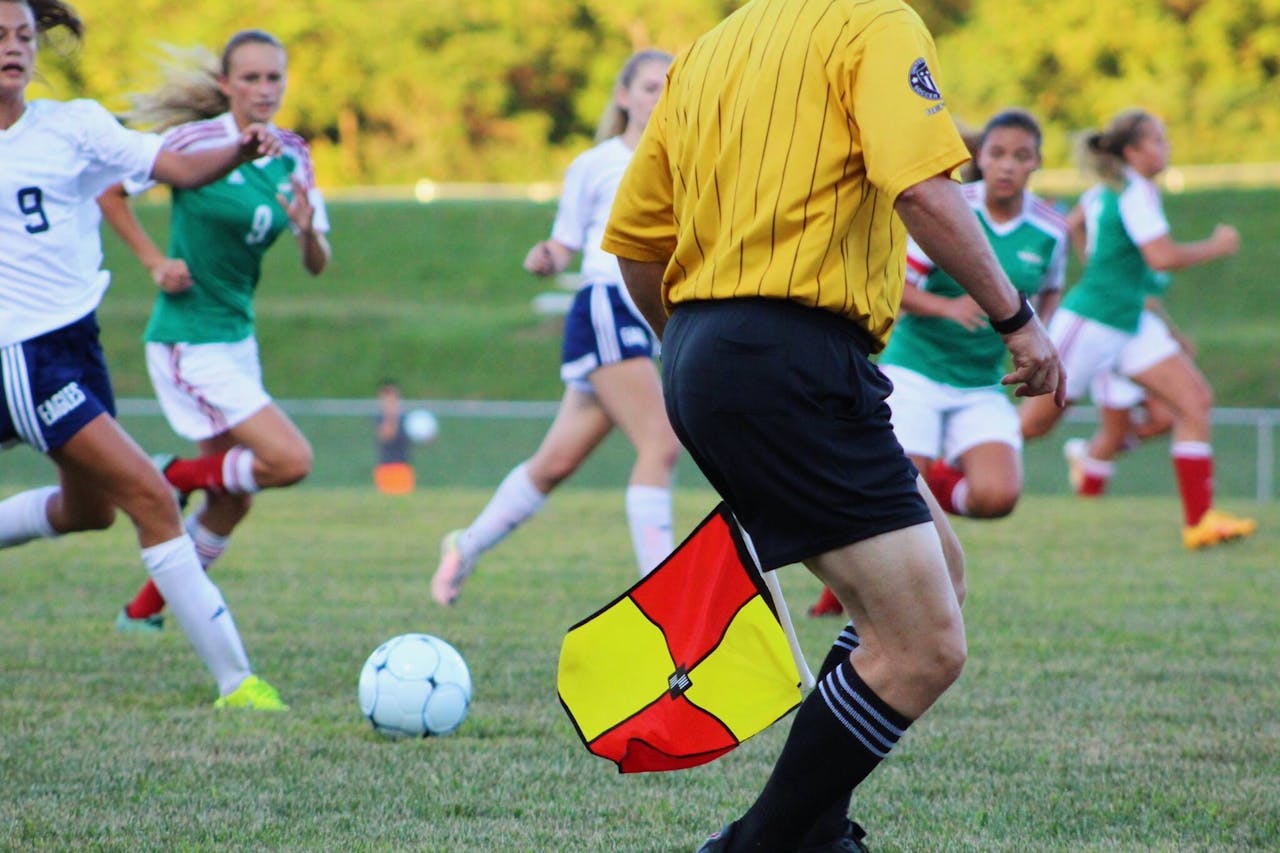
Being a student-athlete is both rewarding and challenging. Between early morning practices, game schedules, and homework deadlines, it’s easy to feel pulled in every direction. Yet, with the right strategies, you can excel in sports without sacrificing your academic performance. Balancing these responsibilities helps you develop discipline, time management, and resilience, skills that extend far beyond the classroom or field.
Here’s a guide to managing academics and athletics effectively.
Prioritize Time Management
Time is your most valuable resource as a student-athlete:
- Use a planner or digital calendar to track practices, games, and assignment deadlines
- Break tasks into manageable chunks, focusing on high-priority items first
- Allocate study sessions before or after practice, depending on your energy levels
- Avoid procrastination; small, consistent efforts beat last-minute cramming
Smart scheduling ensures you stay on top of both academics and athletics.
Communicate with Coaches and Teachers
Open communication prevents misunderstandings:
- Inform teachers about upcoming games or tournaments in advance
- Let coaches know about academic obligations or conflicts
- Ask for help or flexibility when needed
- Maintain transparency to show responsibility and maturity
Clear communication builds supportive relationships that can ease scheduling pressures.
Create Efficient Study Habits
Student-athletes often need to maximize limited study time:
- Focus on active learning techniques: flashcards, summaries, or teaching concepts to others
- Find a quiet study environment, even if it’s a locker room or library nook
- Use breaks between practices for quick review sessions
- Prioritize assignments based on deadlines and weight
Effective study habits help you learn faster without sacrificing athletic training.
Table: Daily Routine Example for a Student-Athlete
| Time |
Activity
|
Tips for Success
|
|
6:00 AM |
Morning practice |
Eat a light, protein-rich breakfast |
|
8:00 AM |
Classes |
Stay attentive and take organized notes |
|
12:00 PM |
Lunch / Recovery |
Hydrate, refuel with balanced meals |
|
1:00 PM |
Study / Homework |
Focused sessions using Pomodoro method |
|
3:30 PM |
Afternoon practice |
Warm-up and recovery techniques |
|
6:00 PM |
Dinner / Relaxation |
Include stretching and social time |
|
7:00 PM |
|
Short, focused study blocks |
|
9:00 PM |
Wind down |
Sleep prep, avoid screens 30 min before bed |
|
10:00 PM |
Sleep |
Aim for 7–9 hours for recovery |
Maintain Physical and Mental Health
Your body and mind fuel both academics and athletics:
- Prioritize sleep for recovery and cognitive function
- Eat a balanced diet with protein, carbs, and healthy fats
- Use stress-reducing techniques like meditation, deep breathing, or journaling
- Listen to your body to prevent overtraining and injuries
Healthy routines enhance energy, focus, and performance.
Set Realistic Goals
Clear goals keep you motivated:
- Academic goals: GPA targets, assignment deadlines, mastering specific subjects
- Athletic goals: Performance metrics, skill improvement, teamwork milestones
- Break goals into short-term and long-term objectives
- Review progress regularly to stay on track
Goal-setting helps you balance priorities without feeling overwhelmed.
Leverage Support Systems
You don’t have to do it alone:
- Teammates can share notes or practice strategies
- Family and friends provide emotional support
- Academic advisors or tutors offer guidance and extra help
- Coaches can adjust training schedules during busy academic periods
A strong support system strengthens your ability to juggle responsibilities effectively.

Conclusion
Balancing academics and athletics requires discipline, planning, and self-care, but it’s entirely achievable. By managing your time, communicating effectively, studying smartly, maintaining health, setting goals, and leaning on support systems, you can thrive in both arenas.
The takeaway: being a student-athlete isn’t just about winning games or grades, it’s about developing lifelong skills in resilience, organization, and balance.
Frequently Asked Questions about Balancing Academics and Athletics
Balance workload with rest, schedule downtime, maintain nutrition, and practice stress-relief techniques.


Was This Article Helpful?
Click on a star to rate it!
Thank you for your vote!

Average Rating: 4.5/5 Votes: 18
Be the first to rate this post!

Expert in backend development and database architecture. Specializes in building, optimizing, and maintaining scalable PHP applications, designing efficient database structures, and ensuring data integrity and performance. Experienced in working with relational databases, writing optimized queries, and integrating backend systems with APIs and business logic to support reliable, high-performance web solutions.
View LinkedIn ProfileLatest Posts
How Individuals Can Support Animal Protection: Simple Actions That Create Change

The Role of Consumers in Sustainability: How Everyday Choices Can Create Change

Human Rights Challenges in Conflict Zones: Protecting People During Crisis