Article Plan
- Advancing Equality and Civil Rights
- Addressing Economic and Social Inequalities
- Table: Key Social Justice Movements and Their Focus Areas
- Amplifying Voices Through Technology
- Influencing Policy and Legislation
- Fostering Cultural Awareness and Education
- Encouraging Individual Action and Community Engagement
- Conclusion
- FAQ: Social Justice Movements Shaping Modern Society
Social Justice Movements Shaping Modern Society
Social justice movements are more visible than ever, influencing politics, culture, and everyday life. From advocating for racial equality to climate action, gender rights, and economic fairness, these movements aim to address systemic inequalities and create a more equitable society. Understanding their impact helps us navigate and contribute to a rapidly evolving social landscape.
Here’s a closer look at how social justice movements are shaping modern society.

Advancing Equality and Civil Rights
Social justice movements fight for equal treatment and protection under the law:
- Racial Justice: Movements like Black Lives Matter highlight systemic racism and push for policy reforms.
- Gender Equality: Advocacy for equal pay, reproductive rights, and combating gender-based violence empowers women and non-binary individuals.
- LGBTQ+ Rights: Efforts focus on marriage equality, anti-discrimination laws, and social acceptance.
These movements challenge traditional power structures and promote inclusion.
Addressing Economic and Social Inequalities
Economic disparities affect access to healthcare, education, and opportunity:
- Living Wage Campaigns: Advocates push for fair pay and better working conditions.
- Affordable Housing Initiatives: Highlight the need for accessible housing options in urban and rural areas.
- Food and Healthcare Equity: Efforts ensure vulnerable communities have access to essential resources.
By tackling systemic inequality, these movements aim to reduce poverty and social injustice.
Table: Key Social Justice Movements and Their Focus Areas
| Movement |
|
Societal Impact
|
|
Black Lives Matter |
Racial equality, police reform |
Raises awareness of systemic racism, influences policy |
|
#MeToo |
Gender-based harassment, equality |
Advances workplace accountability, empowers victims |
|
Climate Justice |
Environmental equity, sustainability |
Pushes for policies addressing climate change and marginalized communities |
|
LGBTQ+ Rights |
Anti-discrimination, marriage equality |
Promotes legal protection and social inclusion |
|
Economic Justice |
Living wages, housing, healthcare |
Reduces income inequality and improves quality of life |
Amplifying Voices Through Technology
Modern movements are fueled by digital platforms:
- Social media amplifies awareness and mobilizes global support.
- Online campaigns enable grassroots organizing and fundraising.
- Digital storytelling gives a voice to marginalized communities.
Technology makes social justice more accessible, immediate, and far-reaching.
Influencing Policy and Legislation
Activism often leads to tangible change in law and policy:
- Criminal Justice Reform: New policies address sentencing disparities and prison conditions.
- Equal Rights Legislation: Laws evolve to protect marginalized groups in workplaces, schools, and public spaces.
- Environmental Policies: Movements advocate for regulations protecting communities from climate hazards.
Social justice movements shape public policy and societal norms, creating systemic impact.
Fostering Cultural Awareness and Education
Movements also educate society on inequities and historical injustices:
- Curriculum reforms teach history from diverse perspectives.
- Media representation shifts to include marginalized voices.
- Public conversations increase empathy and understanding across communities.
Education ensures that change isn’t just legal, but also cultural and social.
Encouraging Individual Action and Community Engagement
Social justice isn’t only institutional, it’s personal:
- Volunteer, donate, or participate in local advocacy groups.
- Challenge biases in your own community and workplace.
- Support businesses and policies aligned with equity and sustainability.
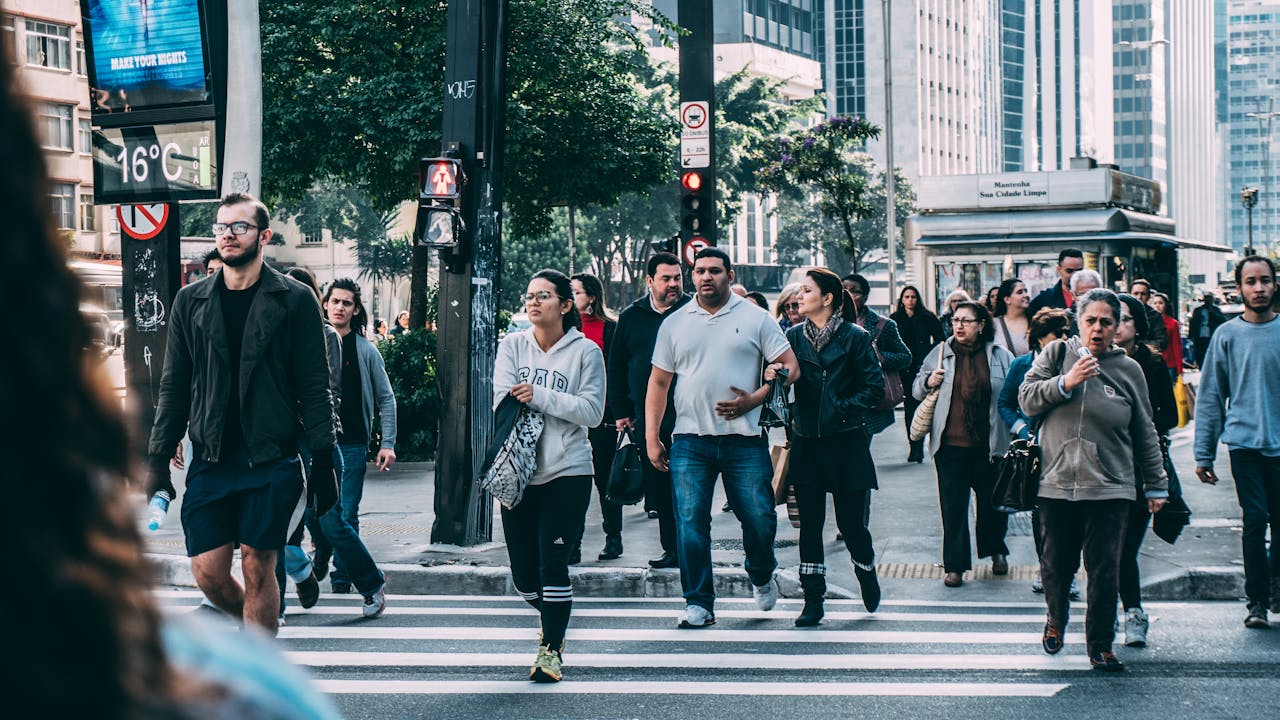
Every action, no matter how small, contributes to collective social progress.
Conclusion
Social justice movements are reshaping modern society, promoting equity, awareness, and systemic change. From advancing civil rights to addressing climate issues, economic inequality, and gender or racial justice, these movements influence policies, culture, and individual behavior.
The takeaway: being informed and engaged in social justice helps create a fairer, more inclusive, and compassionate society for everyone.
FAQ: Social Justice Movements Shaping Modern Society
It fosters awareness, empathy, and understanding, ensuring societal change goes beyond laws to cultural acceptance.


Was This Article Helpful?
Click on a star to rate it!
Thank you for your vote!

Average Rating: 4.9/5 Votes: 45
Be the first to rate this post!

Tech entrepreneur & digital strategist with over 9 years of experience in backend development and more than 5 years in executive leadership. Education Software and Web developer. More than 20 years of experience in software and web development.
View LinkedIn ProfileLatest Posts

How Individuals Can Support Animal Protection: Simple Actions That Create Change

The Role of Consumers in Sustainability: How Everyday Choices Can Create Change

Human Rights Challenges in Conflict Zones: Protecting People During Crisis