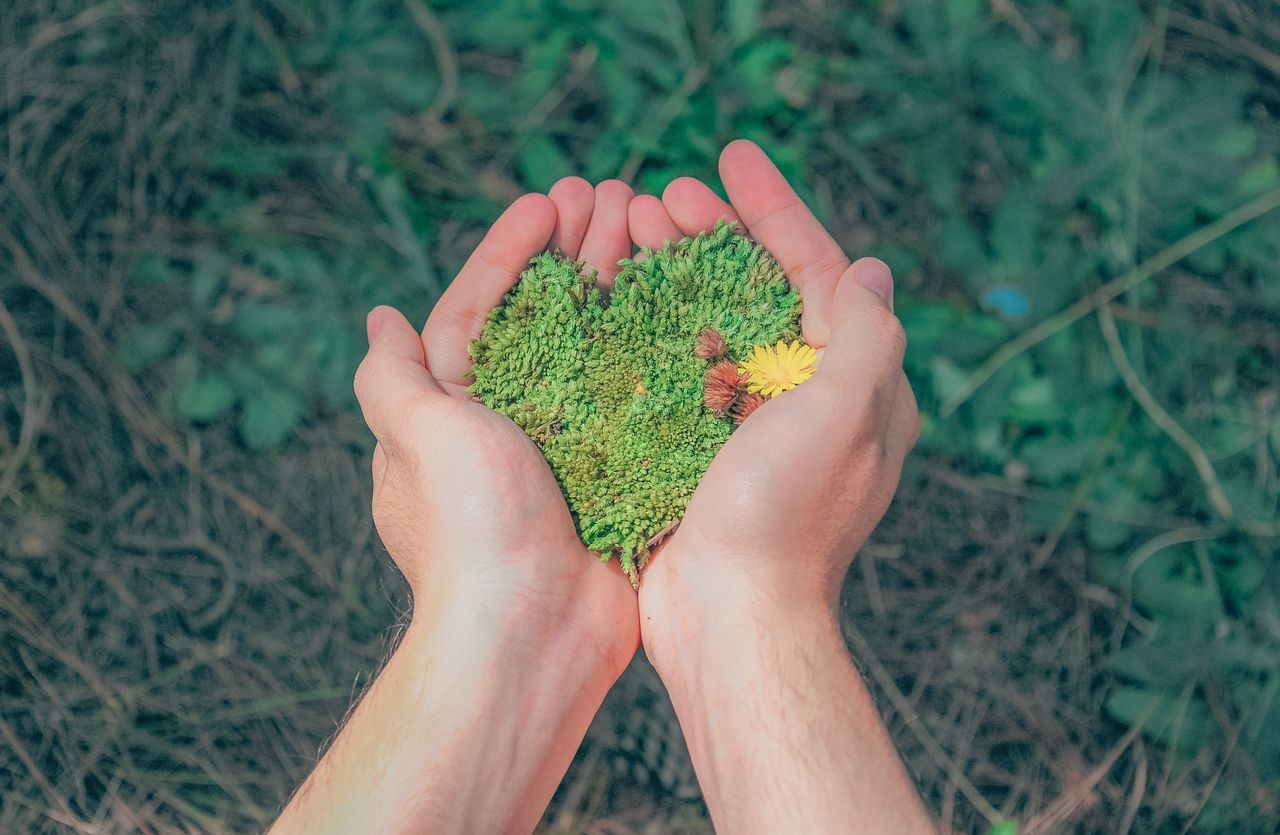
Ecological Challenges Facing the Planet Today
Our planet is facing unprecedented ecological challenges that threaten ecosystems, biodiversity, and human well-being. Climate change, deforestation, pollution, and habitat loss are just a few of the pressing issues that require urgent attention. Understanding these challenges is crucial for creating sustainable solutions and safeguarding the Earth for future generations.
Here’s a detailed look at the key ecological challenges facing the planet today.

Climate Change
Climate change is one of the most urgent ecological issues:
- Rising Temperatures: Global temperatures are increasing, leading to heatwaves, droughts, and shifting weather patterns.
- Extreme Weather Events: Hurricanes, floods, and wildfires are becoming more frequent and intense.
- Melting Ice and Rising Seas: Polar ice loss contributes to rising sea levels, threatening coastal communities.
Climate change impacts ecosystems, agriculture, and human health worldwide.
Deforestation and Habitat Loss
Forests are being cleared at alarming rates, causing:
- Loss of Biodiversity: Species lose their homes, leading to extinction risks.
- Disrupted Ecosystems: Trees regulate climate, water cycles, and soil health.
- Carbon Emissions: Forest loss releases stored carbon, worsening climate change.
Protecting forests and habitats is essential for ecological balance and carbon regulation.
Table: Major Ecological Challenges
| Challenge |
|
Effects
|
Potential Solutions
|
|
Climate Change |
Fossil fuel use, greenhouse gases |
Extreme weather, sea-level rise |
Renewable energy, emission reductions |
|
Deforestation |
Logging, agriculture, urban expansion |
Biodiversity loss, carbon release |
Reforestation, sustainable forestry |
|
Pollution |
Plastic, chemicals, air emissions |
Health hazards, ecosystem damage |
Recycling, stricter regulations |
|
Ocean Acidification |
CO₂ absorption | Coral bleaching, marine life disruption |
Carbon reduction, marine protection |
|
Overpopulation & Urbanization |
Rapid human growth |
Habitat destruction, resource strain |
Urban planning, sustainable consumption |
|
Soil Degradation |
Overfarming, erosion, chemical use |
Reduced fertility, desertification |
Crop rotation, organic farming |
Pollution and Waste
Human activities produce pollutants that harm air, water, and soil:
- Plastic Pollution: Millions of tons of plastic enter oceans annually, affecting marine life.
- Air Pollution: Industrial emissions and vehicle exhaust harm respiratory health and contribute to climate change.
- Chemical Runoff: Pesticides and fertilizers contaminate waterways, affecting wildlife and humans.
Reducing pollution is critical for ecosystem health and human survival.
Ocean Degradation and Acidification
Oceans face multiple threats:
- Acidification: Increased CO₂ lowers ocean pH, harming coral reefs and shell-forming species.
- Overfishing: Unsustainable fishing practices threaten marine biodiversity.
- Plastic and Waste: Marine debris damages ecosystems and enters the food chain.
Healthy oceans are vital for climate regulation, food security, and biodiversity.
Loss of Biodiversity
Biodiversity underpins life on Earth:
- Species Extinction: Human activity accelerates the loss of animals, plants, and insects.
- Ecosystem Collapse: Loss of keystone species can destabilize entire ecosystems.
- Reduced Resilience: Less biodiversity makes ecosystems more vulnerable to environmental change.
Protecting biodiversity ensures stable ecosystems and human survival.
Overpopulation and Resource Strain
Rapid human population growth places pressure on natural resources:
- Increased demand for water, food, and energy.
- Deforestation and urban expansion encroach on wildlife habitats.
- Waste management and pollution become harder to control.
Sustainable development and responsible consumption are critical for balancing human needs with ecological health.
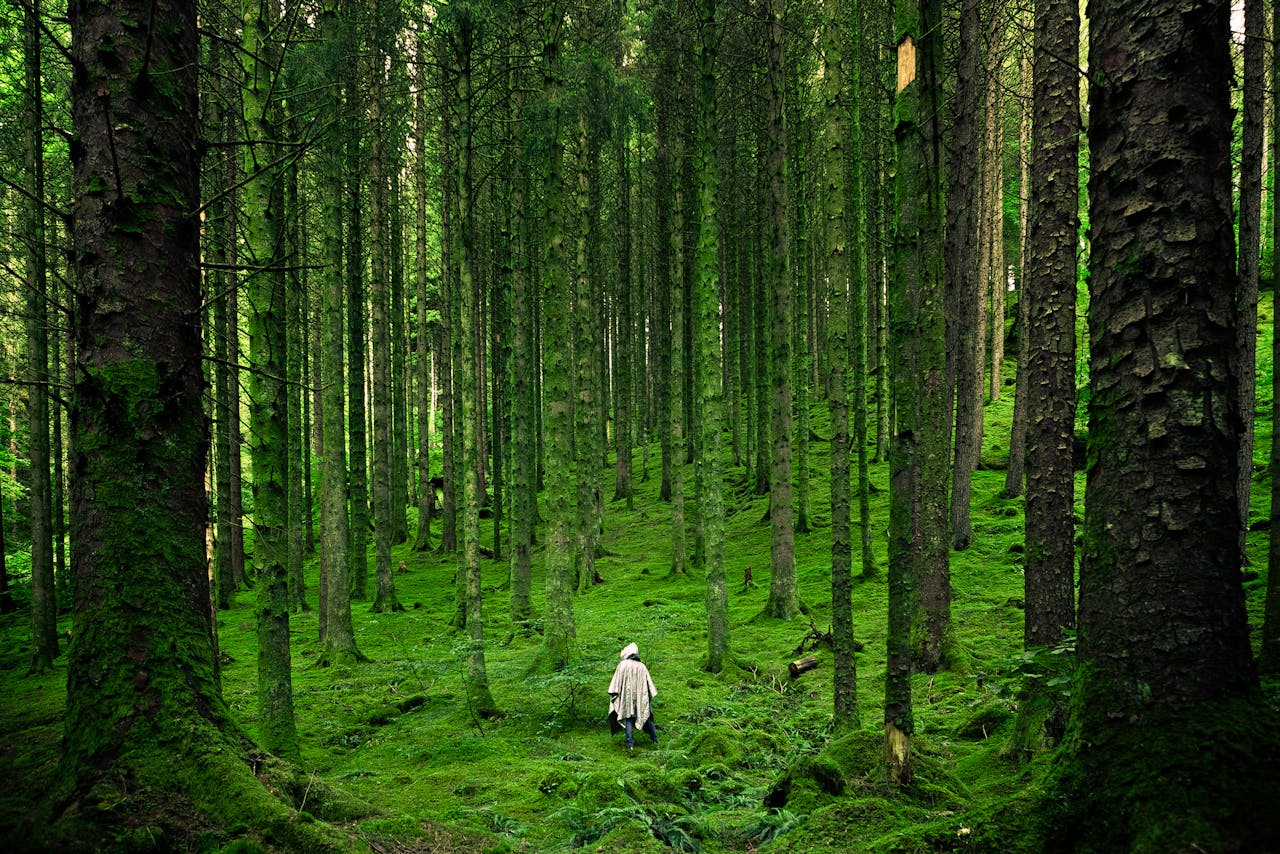
Conclusion
The planet faces interconnected ecological challenges, from climate change and deforestation to pollution, biodiversity loss, and resource strain. Addressing these issues requires global cooperation, sustainable policies, and individual action.
The takeaway: protecting the environment today ensures the health of ecosystems, human societies, and the planet for generations to come.
FAQ: Ecological Challenges Facing the Planet Today
Biodiversity maintains ecosystem balance, resilience, and provides essential services like pollination, water purification, and climate regulation.


Was This Article Helpful?
Click on a star to rate it!
Thank you for your vote!

Average Rating: 4.7/5 Votes: 21
Be the first to rate this post!

Strong engineering background in mobile and backend development. Focusing on building scalable products, improving development processes — from architecture and APIs to UX redesigns, monetization, and analytics. Responsible for applications with 1M+ downloads and multi-project ecosystems.
View LinkedIn ProfileLatest Posts

How Individuals Can Support Animal Protection: Simple Actions That Create Change

The Role of Consumers in Sustainability: How Everyday Choices Can Create Change
Human Rights Challenges in Conflict Zones: Protecting People During Crisis