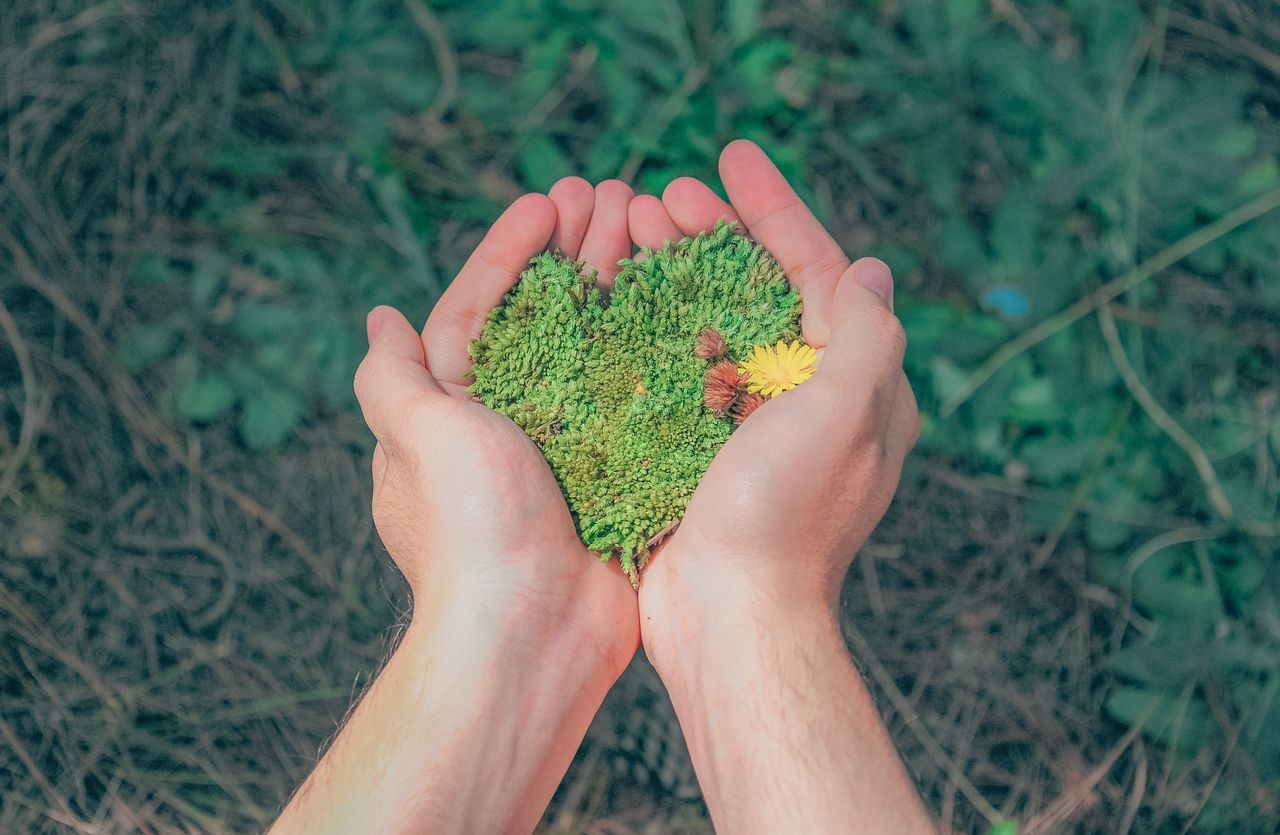
Citizen Science in Ecology: How Everyone Can Help Monitor the Environment
You don’t need a lab coat or a PhD to contribute to scientific discovery. Citizen science allows everyday people to participate in ecological research, helping scientists monitor ecosystems, track wildlife, and study environmental changes. By collecting data, reporting observations, and sharing insights, individuals play a vital role in understanding and protecting our planet.
Here’s how citizen science empowers communities and contributes to meaningful ecological work.
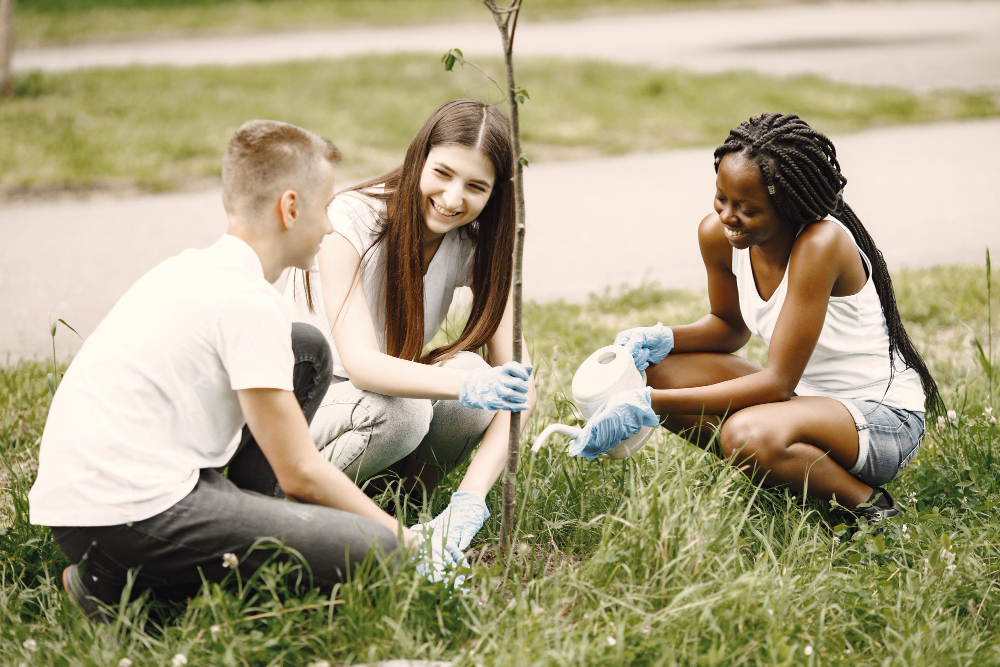
What Is Citizen Science?
Citizen science is the practice of public participation in scientific research. In ecology, this can include:
- Counting birds during migration
- Monitoring water quality in rivers and lakes
- Observing plant growth and flowering times
- Reporting sightings of invasive or endangered species
By combining efforts, citizen scientists create large datasets that would be impossible for researchers to collect alone.
Why Citizen Science Matters in Ecology
Ecological systems are vast and complex. Citizen contributions help scientists:
- Track biodiversity and detect population trends
- Monitor climate change effects on species and habitats
- Detect pollution or habitat loss quickly
- Inform conservation strategies and policy decisions
In short, citizen science bridges the gap between the public and professional researchers while promoting environmental stewardship.
Table: Examples of Citizen Science Projects in Ecology
| Project Type |
Activities
|
Impact
|
|
Bird Counts |
Identify and record bird species |
Tracks migration patterns and population changes |
|
Water Monitoring |
Measure pH, temperature, or pollutants |
Detects water quality issues and pollution trends |
|
Plant Phenology |
Record flowering, leafing, or fruiting |
Monitors seasonal and climate-related changes |
|
Invasive Species Reporting |
Document sightings of invasive plants/animals |
Helps manage and control ecological threats |
|
Wildlife Cameras |
Deploy cameras to observe mammals |
Provides data on species distribution and behavior |
How to Get Involved
Getting started with citizen science is simple:
- Join platforms like iNaturalist, eBird, or local conservation groups
- Start small observation projects in your backyard, neighborhood, or local park
- Use apps and online portals to submit data and share photos or notes
- Participate in community science events like BioBlitzes or cleanups
No matter your experience level, every contribution counts toward big-picture ecological understanding.
Tips for Effective Participation
To ensure your data is useful:
- Follow project protocols for data collection
- Take clear, accurate notes and photos
- Report consistently over time to track trends
- Avoid disturbing wildlife or sensitive habitats
- Ask questions and learn from the community to improve your skills
Quality and consistency make citizen science credible and valuable for researchers.
Benefits Beyond Science
Citizen science has more than ecological impact:
- Educational growth: Learn about local ecosystems, species, and environmental processes
- Community engagement: Connect with like-minded nature enthusiasts
- Environmental advocacy: Data collected can influence policy and conservation efforts
- Personal satisfaction: Contributing to real scientific research provides purpose and fulfillment
It’s a win-win: scientists get data, and participants gain knowledge and connection to nature.
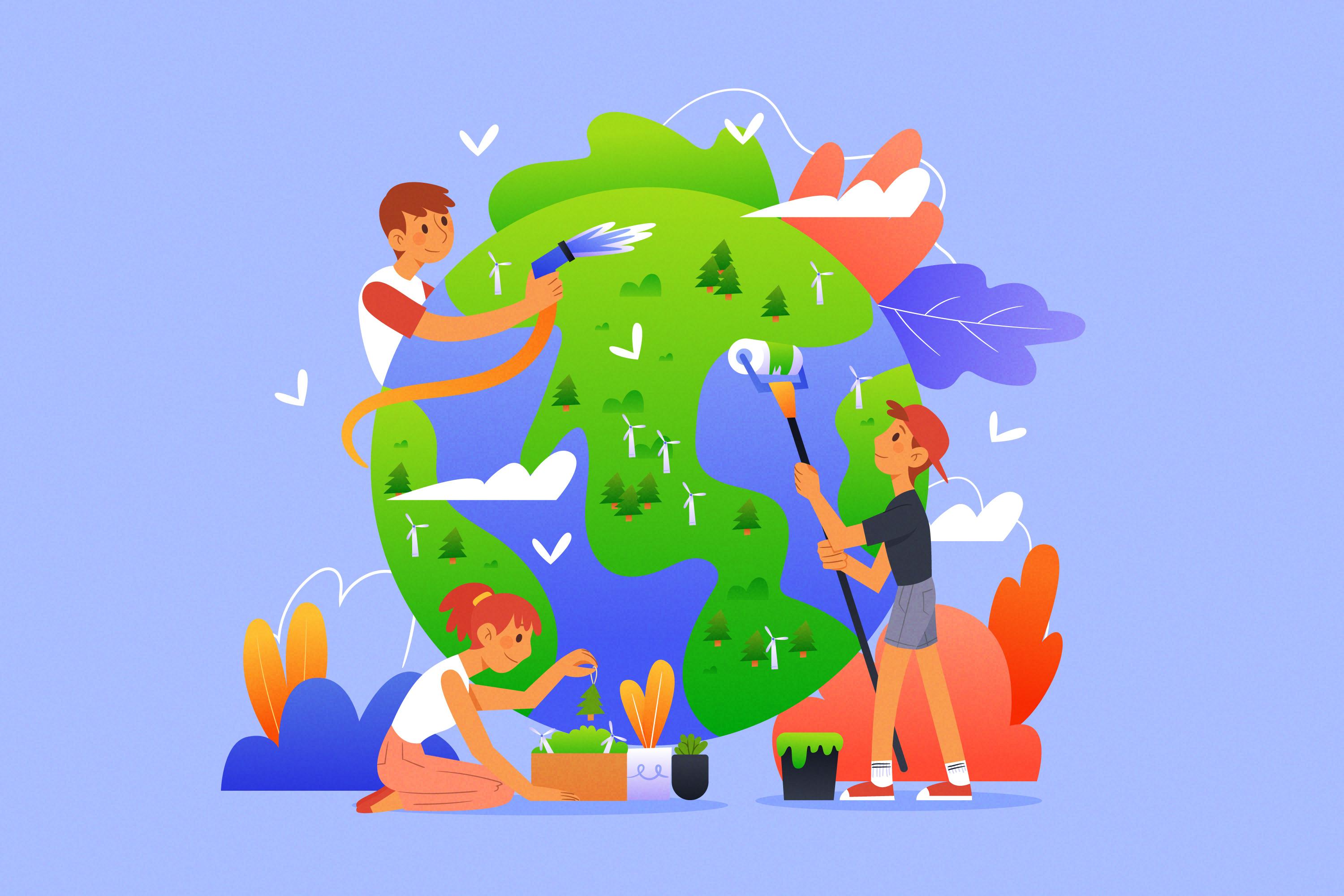
Conclusion
Citizen science turns curiosity into action. By observing, recording, and sharing ecological data, anyone can contribute to understanding and protecting the natural world. Whether monitoring birds, plants, or water quality, your efforts can help scientists track changes, guide conservation, and foster environmental awareness.
The takeaway: you don’t have to be a professional to make a difference, citizen scientists are essential allies in preserving our planet.
Frequently Asked Questions about Citizen Science in Ecology
Yes. Many projects allow participation from urban areas, local parks, backyards, and remote natural habitats.


Was This Article Helpful?
Click on a star to rate it!
Thank you for your vote!

Average Rating: 4/5 Votes: 29
Be the first to rate this post!

Proficient background in project planning, execution, and continuous improvement. Experienced in analyzing ideas and forecasting project success, defining requirements and timelines, and managing communication across cross-functional teams. Skilled in creating and maintaining project documentation, automating processes, and making data-driven decisions in critical situations.
View LinkedIn ProfileLatest Posts
How Individuals Can Support Animal Protection: Simple Actions That Create Change

The Role of Consumers in Sustainability: How Everyday Choices Can Create Change

Human Rights Challenges in Conflict Zones: Protecting People During Crisis