Animal Protection Efforts Around the World
Animals play a vital role in ecosystems, human society, and global biodiversity. However, many species face threats from habitat loss, poaching, pollution, and climate change. Around the world, organizations, governments, and communities are implementing protection measures to conserve wildlife, improve animal welfare, and promote coexistence with humans.
Here’s a detailed look at animal protection efforts worldwide.
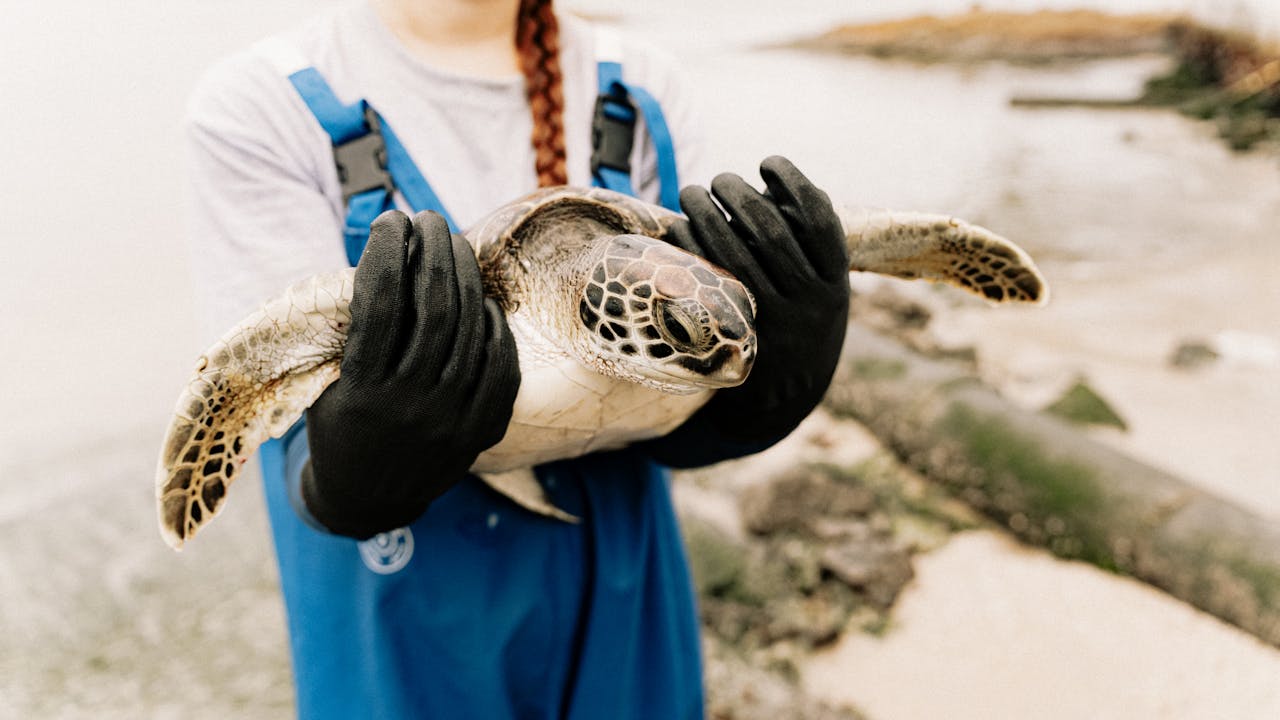
Wildlife Conservation Programs
Conservation initiatives focus on protecting endangered species and restoring natural habitats:
- National Parks and Reserves: Countries establish protected areas to safeguard wildlife.
- Species Recovery Programs: Breeding, relocation, and habitat restoration help vulnerable species rebound.
- Anti-Poaching Measures: Patrols, technology, and stricter laws combat illegal hunting.
Efforts like these preserve biodiversity and maintain ecological balance.
Legislation and Policy Enforcement
Animal protection is strengthened through legal frameworks:
- Animal Welfare Laws: Regulate treatment of domestic, farm, and laboratory animals.
- International Treaties: Agreements like CITES (Convention on International Trade in Endangered Species) control wildlife trade.
- Ban on Animal Cruelty: Criminalizes neglect, abuse, and inhumane practices.
Laws provide a foundation for ethical treatment and protection worldwide.
Table: Global Animal Protection Efforts
| Effort |
|
Examples
|
Impact
|
|
Wildlife Conservation |
Endangered species, habitat protection |
African elephant programs, tiger reserves in India |
Stabilizes populations, preserves ecosystems |
|
Legal Protections |
Animal welfare, anti-cruelty |
CITES treaty, EU animal welfare laws |
Reduces abuse, regulates trade |
|
Community-Based Initiatives |
Local engagement, coexistence |
Eco-tourism, community ranger programs |
Encourages stewardship, reduces human-wildlife conflict |
|
Rescue and Rehabilitation |
Injured or abused animals | Wildlife rehab centers, marine rescue organizations |
Restores health, reintegrates animals to habitats |
|
Public Awareness Campaigns |
Education and advocacy |
Social media campaigns, documentaries |
Promotes ethical treatment, responsible ownership |
|
Sustainable Practices |
Farming, hunting, and fishing reforms |
Humane farming standards, sustainable fishing certifications |
Protects species while supporting livelihoods |
Community-Based Protection
Local communities play a crucial role in animal protection:
- Eco-Tourism and Ranger Programs: Provide incentives to protect wildlife instead of exploiting it.
- Education and Awareness: Inform communities about coexistence and conservation.
- Conflict Mitigation: Strategies reduce human-wildlife conflicts, such as crop-raiding elephants or urban wildlife.
Community involvement ensures that protection efforts are sustainable and culturally relevant.
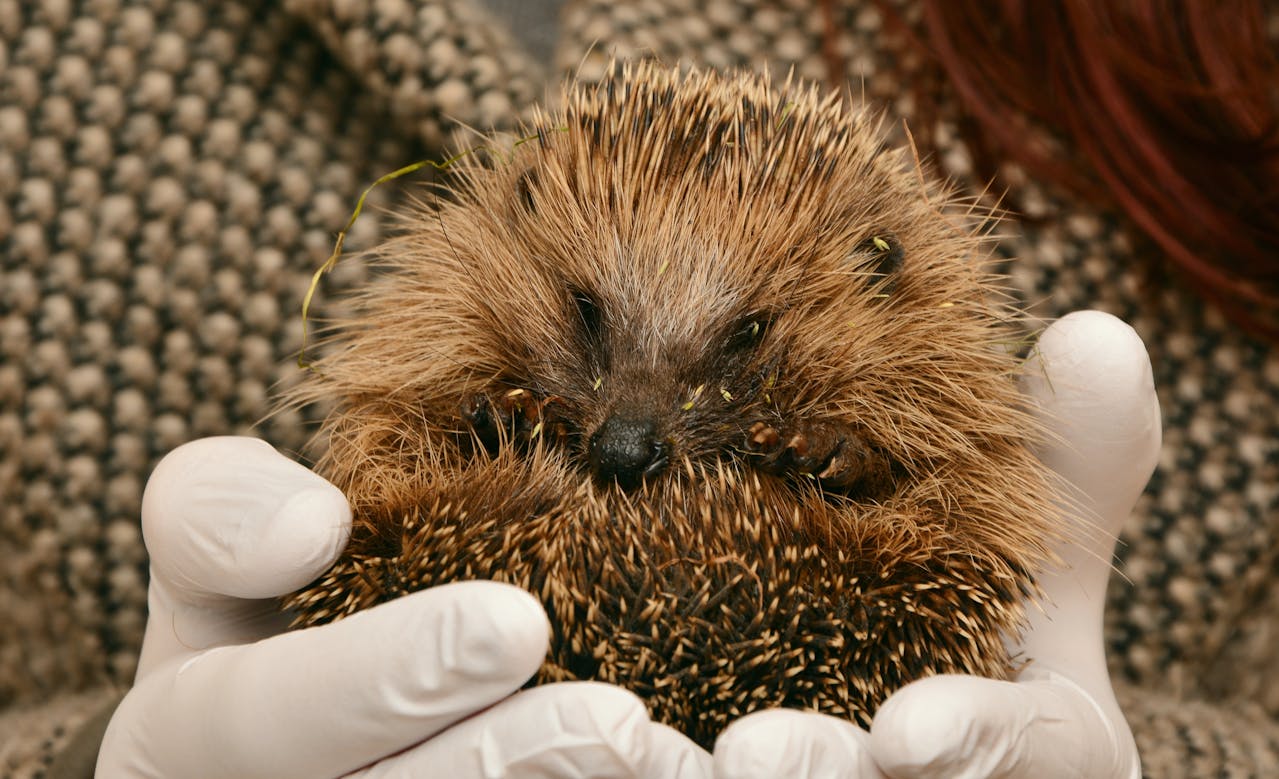
Rescue and Rehabilitation
Injured, orphaned, or abused animals are rehabilitated for survival or reintegration:
- Wildlife hospitals and marine rescue centers care for animals affected by accidents, natural disasters, or human activities.
- Adoption programs and sanctuaries provide safe environments for domestic and farm animals.
- Rehabilitation improves survival rates and reduces stress on endangered populations.
These programs save lives and restore natural ecosystems.
Public Awareness and Education
Education is a cornerstone of global animal protection:
- Campaigns raise awareness about endangered species, ethical treatment, and responsible pet ownership.
- Documentaries, social media, and school programs engage the public.
- Awareness drives consumer choices toward sustainable and cruelty-free products.
Informed communities are more likely to support and participate in conservation efforts.
Sustainable Practices
Industries are adapting to protect animals while meeting human needs:
- Humane Farming: Improved living conditions, proper handling, and ethical slaughter practices.
- Sustainable Fishing and Hunting: Regulations prevent overexploitation and ensure species survival.
- Habitat-Friendly Development: Urban planning and agriculture that minimize disruption to wildlife.
Sustainable practices balance human activity with animal welfare and environmental protection.
Conclusion
Animal protection efforts are multi-faceted, combining conservation, legislation, community engagement, rescue, education, and sustainable practices. From protecting endangered species to fostering coexistence and ethical treatment, these initiatives safeguard both wildlife and the ecosystems they inhabit.
The takeaway: protecting animals globally requires cooperation across governments, communities, and individuals to ensure biodiversity and ethical treatment for future generations.
FAQ: Animal Protection Efforts Around the World
They allow human activities like farming, fishing, and development to continue without endangering wildlife or ecosystems.


Was This Article Helpful?
Click on a star to rate it!
Thank you for your vote!

Average Rating: 4.41/5 Votes: 43
Be the first to rate this post!

Tech entrepreneur & digital strategist with over 9 years of experience in backend development and more than 5 years in executive leadership. Education Software and Web developer. More than 20 years of experience in software and web development.
View LinkedIn ProfileLatest Posts

How Individuals Can Support Animal Protection: Simple Actions That Create Change

The Role of Consumers in Sustainability: How Everyday Choices Can Create Change
Human Rights Challenges in Conflict Zones: Protecting People During Crisis