How Do You Tell the Difference Between a Cocktail and a Mixed Drink?
Сonstituents and intentions count when you're determining which type suits your drink.
The cocktail world is full of perpetual debates whether cognac or gin is better for a French 75. Are we adding vodka or gin for martinis? But before you go that far, start with the basic question. What is the difference between a cocktail and a mixed drink? Sounds easy, and a lot of people use both terms interchangeably, there's a difference. At the same time, how precisely they are defined is also debatable.
"A mixed drink has a minimum of two constituents, but once you add a third component, it's a cocktail," says Keith Meicher, head bartender at Sepia in Chicago, who was pouring vodka tonics (a mixed drink) and shaking gin with rhubarb and lime (a cocktail) when I asked him this question. “All cocktails are mixed drinks," Meicher says. "A mixed drink can also be a highball; I do not consider a highball a cocktail."

Joe Stinchcomb, who runs Bar Muse in Oxford, Mississippi, has the following opinion. "A mixed drink is a 'one and;' Jack and Coke, vodka and soda, gin and soda," he says. "A cocktail is a commodity that takes time to make and compose. You figured out that you want pineapple, mango, vodka, and lime, shook it, and poured it into the glass. To me, that is a cocktail." Though they agree about a highball, when asked the definition of Aperol spritz, both bartenders didn’t have an answer. Stinchcomb and Meicher make it with Aperol and sparkling wine (sometimes soda is also used), but Stinchcomb decided it’s a mixed drink (a 'one and') and Meicher said, "I guess it’s a cocktail."
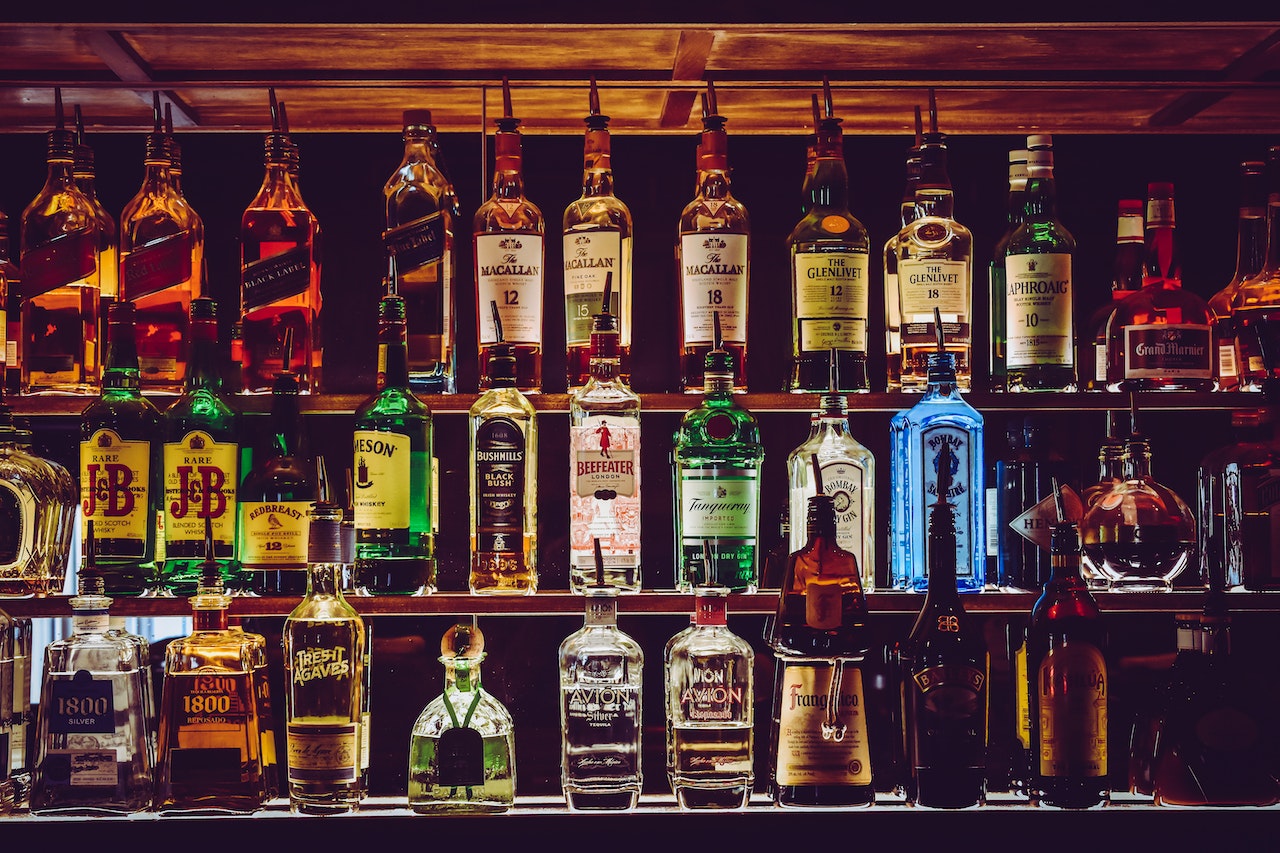
To get to the essence of this language, let's go back. "Cocktail" was the initial name for what we now call an "Old Fashioned," a blend of a spirit, sugar, water, and bitters. Alba Huerta, proprietor of Julep in Houston, says that the cocktail was in line with a sling, a julep, a fix - there were different names for these blends, and now they are all called cocktails. Huerta makes an assumption that Prohibition is the most likely reason for why these names began to unite; when bartenders left the job or moved out of the country to continue bartending, they didn't pass on this knowledge.
Nickle Morris, one of the owners of Louisville's Expo, also has the original cocktail in mind when defining the term. He says it’s about taking a liquor and mixing it for enjoyment, as well as about intention: if you do not take time for preparation, it's not a cocktail. According to such an opinion, a rum and Coke is a mixed drink, but a Cuba Libre, the same with lime and Angostura added, is already a cocktail. Besides the number of constituents, intention plays a part in defining a cocktail. Even a Japanese highball is a cocktail if prepared with intention. But if you simply pour the constituents into a glass, it's a mixed drink.

For Huerta, the discerning factor in modern definitions of these two terms is the process of preparing the drink. In the contemporary bartending world, stirring or shaking in the process refer to cocktails, and mixed drinks like a vodka cranberry are drinks that are poured, not shaken or stirred. By the same description, a punch is a mixed drink since there is no "active energy" input. Huerta says that in Texas, that is the difference between a liquor license for bottle service and a cocktail bar. The committee asks questions like 'Are you mixing it? Are you shaking it?' If the bar only serves bottles and patrons mix their drinks on their own, it’s not a cocktail bar. Whether it's the number of constituents, the process, or the intention that differentiates a cocktail from a mixed drink, the easiest way to tell the two beverage types apart is the factor of simplicity. In all cases, a mixed drink is a simpler option, while a cocktail has several constituents and requires more action. But it's also a question of language, and Meicher says that different generations call the same drinks differently. Mixed drink is preferred by more experienced bartenders, but terminology adapts to ease of understanding. While the meaning is clear, it doesn’t matter which name you choose.


Was This Article Helpful?
Click on a star to rate it!
Thank you for your vote!

Average Rating: 4.4/5 Votes: 34
Be the first to rate this post!

Latest Posts

How Individuals Can Support Animal Protection: Simple Actions That Create Change
The Role of Consumers in Sustainability: How Everyday Choices Can Create Change

Human Rights Challenges in Conflict Zones: Protecting People During Crisis