Cooperative Learning: Promoting Collaboration and Teamwork Among Students
In today’s educational landscape, cooperative learning has emerged as a powerful strategy for enhancing student engagement and achievement. Unlike traditional individualistic approaches, cooperative learning emphasizes collaboration, teamwork, and shared responsibility. This method not only helps students grasp academic content more effectively but also fosters essential social skills. In this article, we'll explore the principles of cooperative learning, its benefits, and practical strategies for implementing it in the classroom.

Understanding Cooperative Learning
What is Cooperative Learning?
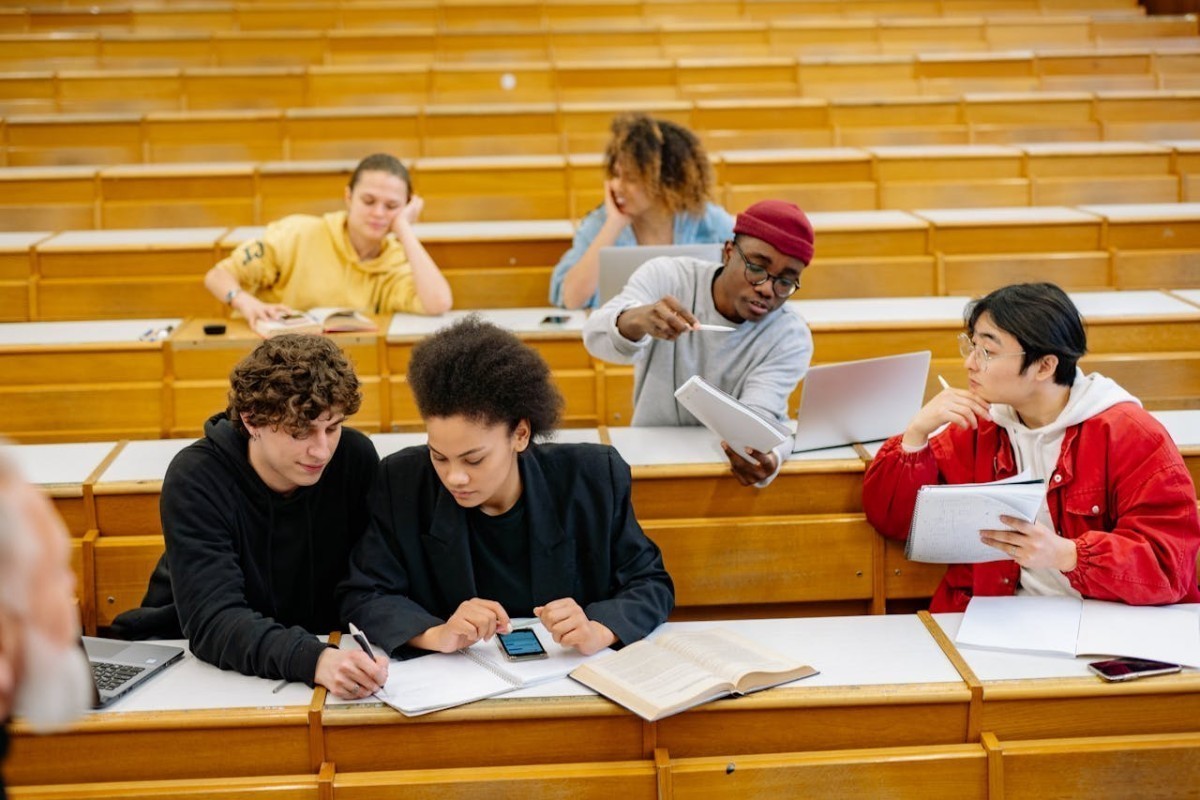
Cooperative learning is an instructional strategy where students work together in small groups to achieve a common academic goal. Unlike competitive or individual learning environments, cooperative learning encourages students to support one another, share knowledge, and solve problems collaboratively. This approach is grounded in the belief that learning is a social process and that students can benefit from interacting with peers.
Key Principles of Cooperative Learning
-
Positive Interdependence: Group members rely on each other to complete tasks and achieve goals. Success depends on the collective effort, and each member’s contribution is valued.
-
Individual Accountability: Each student is responsible for their own learning and for contributing to the group’s success. This ensures that all members are actively engaged and accountable for their part in the group work.
-
Face-to-Face Interaction: Effective communication and collaboration are encouraged through direct interaction. This helps students develop interpersonal skills and learn from each other.
-
Social Skills Development: Cooperative learning focuses on enhancing social skills such as communication, conflict resolution, and teamwork, which are crucial for academic and personal success.
Benefits of Cooperative Learning
Enhanced Academic Achievement
-
Improved Understanding: Students often grasp concepts better when they discuss and explain them to peers. Teaching others reinforces their own understanding and helps clarify doubts.
-
Increased Motivation: Working in groups can boost motivation as students feel more engaged and supported. The collaborative environment can make learning more enjoyable and less intimidating.
Development of Social Skills
-
Communication Skills: Cooperative learning requires students to articulate their ideas clearly and listen to others, improving their verbal and non-verbal communication skills.
-
Teamwork and Leadership: Students learn to work effectively in teams, take on different roles, and lead or support their peers. These skills are essential for success in both academic and professional settings.
Positive Attitudes Toward Learning
-
Fostering a Positive Learning Environment: Collaboration creates a sense of community and belonging, which can lead to a more positive attitude toward learning and school.
-
Building Relationships: Working closely with peers helps build strong relationships and a supportive classroom atmosphere.
Implementing Cooperative Learning in the Classroom
Structuring Effective Groups
-
Group Composition: Form groups with diverse abilities, backgrounds, and skills to ensure a range of perspectives and strengths. Rotate group members regularly to provide different collaborative experiences.
-
Group Size: Ideal group sizes are usually 3-5 students. This size allows for effective interaction and ensures that all members have a chance to contribute.
Designing Cooperative Learning Activities
-
Jigsaw Method: Each group member becomes an expert on a specific part of a topic. Members then come together to share their expertise and piece together the complete picture.
-
Think-Pair-Share: Students first think individually about a question or problem, then pair up to discuss their thoughts, and finally share their ideas with the larger group.
-
Group Projects: Assign projects that require collaboration, such as creating a presentation, conducting a research project, or designing a product. Ensure that tasks are clearly defined and that each member has a specific role.
Monitoring and Assessing Group Work
-
Observation: Monitor group interactions to ensure that all members are participating and that the group dynamics are positive. Offer guidance as needed to keep the group focused and on track.
-
Assessment: Evaluate both individual contributions and group performance. Use rubrics to assess factors such as teamwork, problem-solving, and the quality of the final product. Provide feedback to help students improve their collaborative skills.
Addressing Challenges
-
Conflict Resolution: Teach students strategies for resolving conflicts and managing disagreements within groups. Encourage open communication and mutual respect.
-
Ensuring Equal Participation: Implement strategies to ensure that all group members contribute equally, such as assigning specific roles or using peer evaluations.
Promoting Long-Term Success with Cooperative Learning
Fostering a Collaborative Culture
-
Encourage Ongoing Collaboration: Integrate cooperative learning into various aspects of the curriculum to reinforce its benefits and help students become accustomed to working together.
-
Model Collaboration: Demonstrate effective collaboration skills as a teacher. Show students how to work together, solve problems, and communicate effectively.
Supporting Continuous Improvement
-
Solicit Feedback: Regularly gather feedback from students about their cooperative learning experiences. Use this information to make adjustments and improvements to the approach.
-
Professional Development: Engage in professional development opportunities to stay informed about the latest strategies and research in cooperative learning.


Cooperative learning is more than just a teaching method; it is a philosophy that values collaboration, mutual support, and shared success. By implementing cooperative learning strategies, educators can create dynamic and engaging classroom environments that foster both academic achievement and the development of essential social skills. As students work together, they not only gain knowledge but also learn how to interact effectively, solve problems collaboratively, and appreciate the diverse perspectives of their peers. Embracing cooperative learning can lead to more enriched educational experiences and better-prepared individuals ready to thrive in a collaborative world.


Was This Article Helpful?
Click on a star to rate it!
Thank you for your vote!

Average Rating: 4.1/5 Votes: 38
Be the first to rate this post!

Latest Posts
How Individuals Can Support Animal Protection: Simple Actions That Create Change

The Role of Consumers in Sustainability: How Everyday Choices Can Create Change

Human Rights Challenges in Conflict Zones: Protecting People During Crisis