Editorial Cartoons: Using Art to Comment on Political Issues and Figures
Editorial cartoons have long been a powerful medium for expressing political commentary, social criticism, and satire through art. Combining visual imagery with wit and humor, editorial cartoons provide a unique perspective on current events, political figures, and social issues. Let's explore how editorial cartoons use art to comment on political issues and figures:
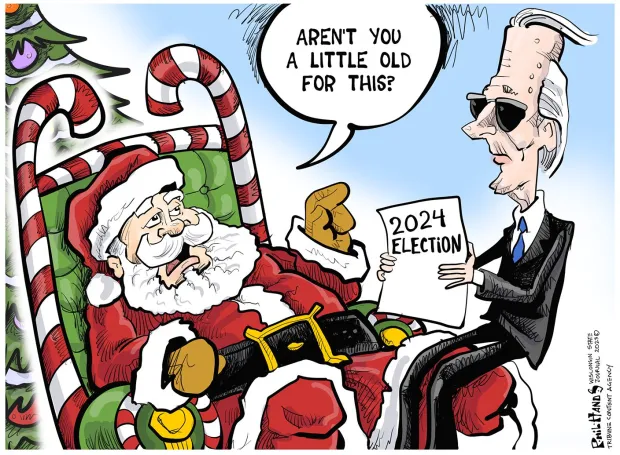

Visual Satire and Caricature
- Exaggerated Depictions: Editorial cartoons often use caricature to exaggerate the physical features and mannerisms of political figures, making them instantly recognizable and memorable to viewers.
- Symbolism and Metaphor: Cartoonists use symbolism and metaphor to convey complex political ideas and critiques in a visually engaging way. Symbols such as Uncle Sam, the American flag, or the scales of justice are commonly used to represent broader concepts or institutions.
- Humorous Elements: Humor is a key component of editorial cartoons, helping to engage audiences and soften the impact of serious political commentary. Satirical wordplay, puns, and visual gags add levity to the cartoon while delivering a pointed message.
Political Commentary and Critique
- Issue-Based Commentary: Editorial cartoons often focus on specific political issues or events, offering commentary and critique on topics such as corruption, inequality, war, and environmental degradation.
- Character Portrayals: Political figures are frequent targets of editorial cartoons, with cartoonists using their art to comment on the actions, policies, and personalities of politicians. Cartoons may praise, lampoon, or criticize politicians depending on their stance or behavior.
- Public Opinion and Awareness: Editorial cartoons serve as a reflection of public opinion and sentiment on political issues, helping to shape public discourse and awareness. By highlighting controversial or overlooked topics, cartoons can draw attention to important issues and spark conversations.
Cultural and Historical Context
- Cultural References: Editorial cartoons often incorporate cultural references, symbols, and icons to contextualize political commentary within a broader cultural framework. References to literature, art, film, and popular culture add depth and nuance to the cartoon's message.
- Historical Comparisons: Cartoonists may draw parallels between current events and historical events or figures to provide historical context and perspective. Comparisons to historical figures or events can underscore the significance of contemporary political developments.
- Global Perspective: Editorial cartoons offer a global perspective on political issues, with cartoonists from around the world commenting on international events and leaders. Cross-cultural exchanges of editorial cartoons provide insight into different political climates and perspectives.
Freedom of Expression and Democracy
- Freedom of Speech: Editorial cartoons play a vital role in upholding freedom of expression and press freedom by providing a platform for dissenting voices and critical commentary. Cartoons challenge authority, hold leaders accountable, and promote transparency in democratic societies.
- Democratic Values: Editorial cartoons embody democratic values such as freedom, equality, and justice by advocating for the rights and interests of ordinary citizens. Cartoons can serve as a check on power and a voice for marginalized communities.
- Social Justice Advocacy: Editorial cartoons often advocate for social justice and human rights by highlighting issues such as racism, sexism, and discrimination. Cartoons can provoke empathy, empathy, and action on behalf of marginalized groups.
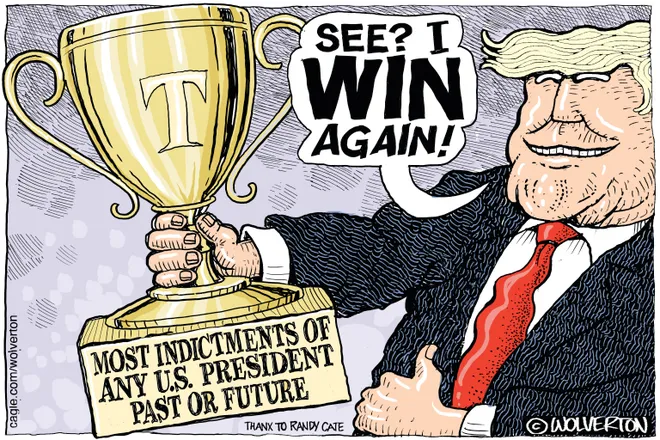
Through the use of art, humor, and satire, editorial cartoons offer a powerful and accessible means of engaging with complex political issues and figures. By providing a visual commentary on current events and social issues, editorial cartoons foster dialogue, provoke thought, and challenge the status quo in society.


Was This Article Helpful?
Click on a star to rate it!
Thank you for your vote!

Average Rating: 4.1/5 Votes: 48
Be the first to rate this post!

Latest Posts

How Individuals Can Support Animal Protection: Simple Actions That Create Change

The Role of Consumers in Sustainability: How Everyday Choices Can Create Change

Human Rights Challenges in Conflict Zones: Protecting People During Crisis