Music Production Techniques: Tips for Recording, Mixing, and Mastering
Music production is a multifaceted art form that involves recording, mixing, and mastering audio to create high-quality tracks. Whether you're a seasoned producer or just starting out, mastering these techniques is essential for achieving professional-sounding results. In this guide, we'll explore some essential tips and techniques for each stage of the music production process, from recording and mixing to mastering.
Music Production Techniques: Tips for Recording, Mixing, and Mastering
Music production is a multifaceted art form that involves recording, mixing, and mastering audio to create high-quality tracks. Whether you're a seasoned producer or just starting out, mastering these techniques is essential for achieving professional-sounding results. In this guide, we'll explore some essential tips and techniques for each stage of the music production process, from recording and mixing to mastering.
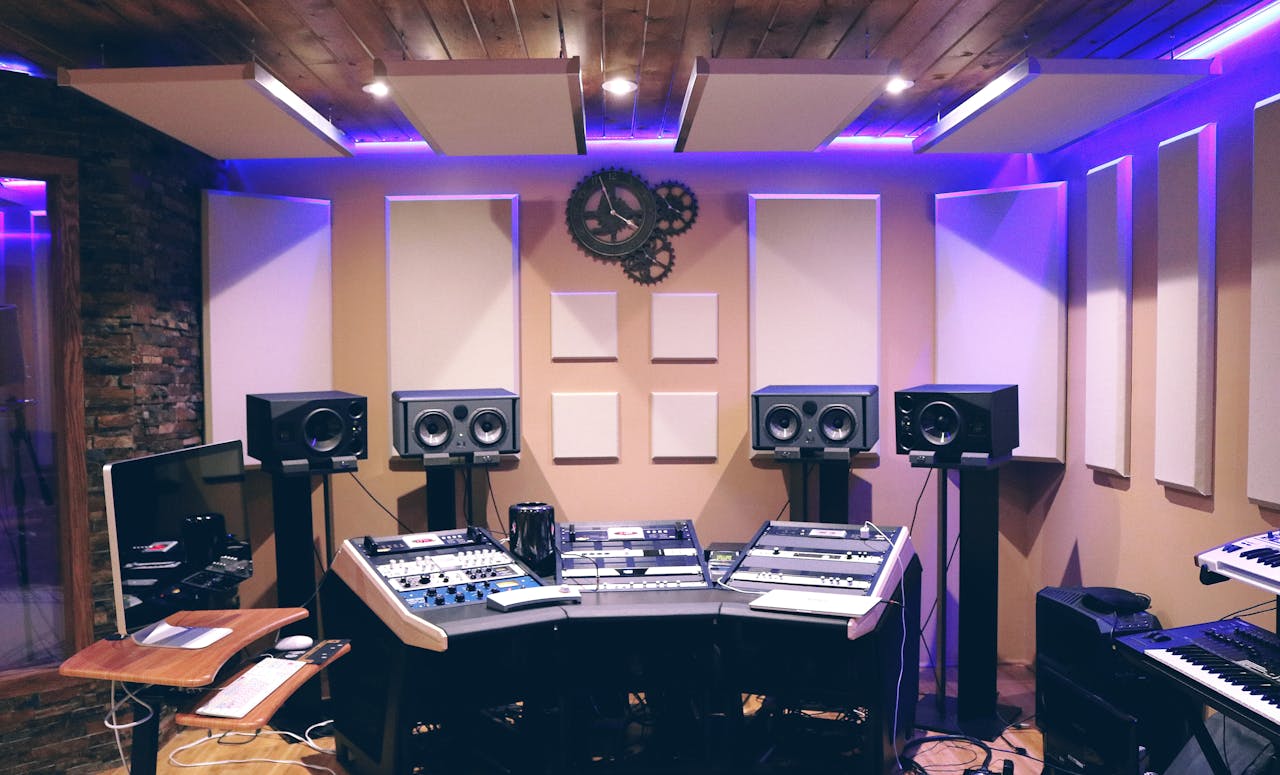
Recording Techniques
- Use high-quality microphones: Invest in quality microphones to capture clean and accurate recordings. Choose the right microphone for each instrument or vocal to achieve the desired sound.
- Control room acoustics: Ensure that your recording environment is acoustically treated to minimize reflections and unwanted noise. Use acoustic panels, bass traps, and diffusers to improve sound quality.
Recording Techniques
- Use high-quality microphones: Invest in quality microphones to capture clean and accurate recordings. Choose the right microphone for each instrument or vocal to achieve the desired sound.
- Control room acoustics: Ensure that your recording environment is acoustically treated to minimize reflections and unwanted noise. Use acoustic panels, bass traps, and diffusers to improve sound quality.
- Experiment with mic placement: Experiment with microphone placement to find the sweet spot for each instrument or vocal. Move the microphone closer or farther away to capture different tonal qualities and textures.
- Record in a quiet environment: Minimize background noise and distractions during recording sessions. Turn off fans, air conditioners, and other sources of noise to achieve clean recordings with minimal interference.
Mixing Techniques
- Gain staging: Pay attention to gain staging to ensure optimal signal levels throughout the mixing process. Keep levels consistent and avoid clipping or distortion.
- EQ (Equalization): Use EQ to shape the frequency balance of individual tracks and create separation in the mix. Cut frequencies that muddy the mix and boost frequencies that enhance clarity and definition.
- Compression: Use compression to control dynamics and balance the volume of different elements in the mix. Apply gentle compression to smooth out peaks and add punch to tracks.
- Panning: Use panning to position sounds in the stereo field and create a sense of space and depth. Experiment with panning to create a balanced mix with clarity and separation.
- Effects: Experiment with reverb, delay, chorus, and other effects to add depth, dimension, and movement to the mix. Use effects sparingly and tastefully to enhance the overall sound without overpowering the mix.
- Experiment with mic placement: Experiment with microphone placement to find the sweet spot for each instrument or vocal. Move the microphone closer or farther away to capture different tonal qualities and textures.
- Record in a quiet environment: Minimize background noise and distractions during recording sessions. Turn off fans, air conditioners, and other sources of noise to achieve clean recordings with minimal interference.
Mixing Techniques
- Gain staging: Pay attention to gain staging to ensure optimal signal levels throughout the mixing process. Keep levels consistent and avoid clipping or distortion.
- EQ (Equalization): Use EQ to shape the frequency balance of individual tracks and create separation in the mix. Cut frequencies that muddy the mix and boost frequencies that enhance clarity and definition.
- Compression: Use compression to control dynamics and balance the volume of different elements in the mix. Apply gentle compression to smooth out peaks and add punch to tracks.
- Panning: Use panning to position sounds in the stereo field and create a sense of space and depth. Experiment with panning to create a balanced mix with clarity and separation.
- Effects: Experiment with reverb, delay, chorus, and other effects to add depth, dimension, and movement to the mix. Use effects sparingly and tastefully to enhance the overall sound without overpowering the mix.
Mastering Techniques
- Prepare the mix: Before mastering, ensure that the mix is balanced, dynamic, and free from any technical issues. Address any problems with EQ, compression, and levels before moving on to mastering.
- Set levels and dynamics: Use mastering tools like compression, limiting, and multiband compression to control dynamics and achieve a consistent level throughout the track. Aim for a balanced and dynamic sound without sacrificing clarity or impact.
- EQ and stereo enhancement: Use EQ to make subtle adjustments to the overall frequency balance of the track. Use stereo enhancement techniques like stereo widening and mid/side processing to create a spacious and immersive sound.
Mastering Techniques
- Prepare the mix: Before mastering, ensure that the mix is balanced, dynamic, and free from any technical issues. Address any problems with EQ, compression, and levels before moving on to mastering.
- Set levels and dynamics: Use mastering tools like compression, limiting, and multiband compression to control dynamics and achieve a consistent level throughout the track. Aim for a balanced and dynamic sound without sacrificing clarity or impact.
- EQ and stereo enhancement: Use EQ to make subtle adjustments to the overall frequency balance of the track. Use stereo enhancement techniques like stereo widening and mid/side processing to create a spacious and immersive sound.

- Reference tracks: Compare your master to reference tracks from professional releases to ensure that it stands up to commercial standards. Pay attention to frequency balance, dynamics, and overall sound quality.
- Export formats: Choose the appropriate file format and settings for exporting the final master. Consider the intended distribution platform and target audience when selecting formats like WAV, MP3, or streaming formats.
Mastering music production techniques takes time, practice, and dedication, but mastering these skills can elevate your productions to the next level. By focusing on recording techniques, mixing fundamentals, and mastering principles, you can achieve professional-quality results that sound polished, cohesive, and impactful. Experiment with different tools, techniques, and creative approaches to find your unique sound and style as a music producer. With dedication and perseverance, you can hone your skills and create music that resonates with listeners and stands the test of time.
- Reference tracks: Compare your master to reference tracks from professional releases to ensure that it stands up to commercial standards. Pay attention to frequency balance, dynamics, and overall sound quality.
- Export formats: Choose the appropriate file format and settings for exporting the final master. Consider the intended distribution platform and target audience when selecting formats like WAV, MP3, or streaming formats.
Mastering music production techniques takes time, practice, and dedication, but mastering these skills can elevate your productions to the next level. By focusing on recording techniques, mixing fundamentals, and mastering principles, you can achieve professional-quality results that sound polished, cohesive, and impactful. Experiment with different tools, techniques, and creative approaches to find your unique sound and style as a music producer. With dedication and perseverance, you can hone your skills and create music that resonates with listeners and stands the test of time.


Was This Article Helpful?
Click on a star to rate it!
Thank you for your vote!

Average Rating: 4/5 Votes: 14
Be the first to rate this post!

Latest Posts

How Individuals Can Support Animal Protection: Simple Actions That Create Change

The Role of Consumers in Sustainability: How Everyday Choices Can Create Change

Human Rights Challenges in Conflict Zones: Protecting People During Crisis