Youth Sports: Encouraging Fun, Fitness, and Fair Play
Youth sports are more than just games—they are opportunities for children to stay active, develop social skills, and learn important life lessons. Encouraging fun, fitness, and fair play helps young athletes grow physically, mentally, and emotionally, while fostering a lifelong love of sports.
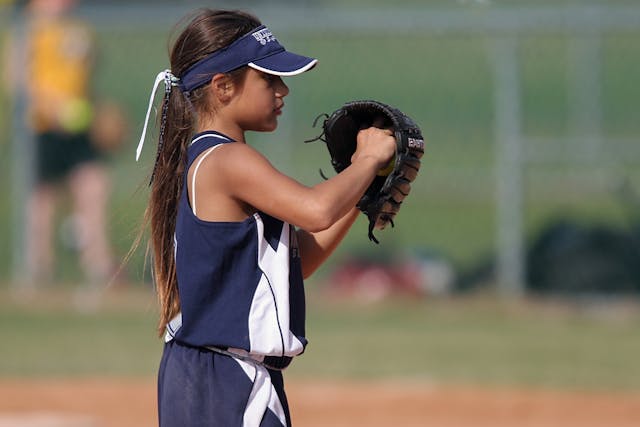
Making Sports Fun
Enjoyment is the key to keeping children engaged:
- Focus on participation, not just winning: Emphasize effort, improvement, and teamwork.
- Incorporate variety: Rotate drills, games, and activities to keep practices interesting.
- Celebrate milestones: Recognize personal bests and achievements, no matter how small.
Fun encourages children to continue playing and builds a positive association with physical activity.
Promoting Fitness and Health
Youth sports provide more than recreational enjoyment—they support overall health:
- Cardiovascular fitness: Running, swimming, and cycling improve heart and lung health.
- Strength and flexibility: Activities like gymnastics or soccer develop muscles and coordination.
- Healthy habits: Regular activity encourages lifelong fitness and reduces the risk of obesity and chronic illness.
Sports help children build strength, endurance, and confidence in their abilities.
Teaching Fair Play and Teamwork
Sports are an ideal setting to teach values such as fairness, respect, and cooperation:
- Respect rules and officials: Understanding the importance of rules builds integrity.
- Encourage teamwork: Sharing, communicating, and supporting teammates fosters collaboration.
- Handle wins and losses gracefully: Learning to manage emotions is a valuable life skill.
These lessons extend beyond the field, influencing school, friendships, and personal development.
Involving Parents and Coaches
Adults play a vital role in shaping positive youth sports experiences:
- Support, don’t pressure: Encourage participation and effort rather than focusing solely on competition.
- Model sportsmanship: Children learn by observing how adults handle victories and setbacks.
- Provide balanced guidance: Offer feedback that motivates without discouraging.
Positive adult involvement reinforces fun, fitness, and fair play.
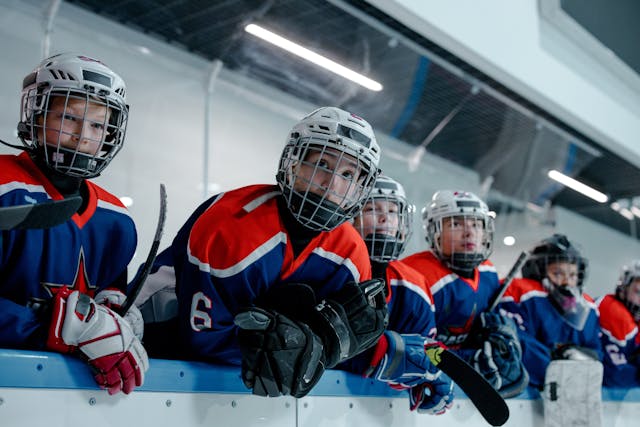
Final Thoughts
Youth sports are powerful tools for fostering physical health, social skills, and character development. By emphasizing enjoyment, promoting fitness, and teaching fair play, children gain not only athletic skills but also confidence, resilience, and respect for others. Encouraging these principles ensures that sports are a rewarding and enriching part of every child’s life


Was This Article Helpful?
Click on a star to rate it!
Thank you for your vote!

Average Rating: 4.6/5 Votes: 30
Be the first to rate this post!

Latest Posts

How Individuals Can Support Animal Protection: Simple Actions That Create Change

The Role of Consumers in Sustainability: How Everyday Choices Can Create Change

Human Rights Challenges in Conflict Zones: Protecting People During Crisis