Injury Prevention and Rehabilitation in Individual Sports
Whether you’re a runner, tennis player, or gymnast, injuries are a part of the game in individual sports. But here’s the good news, you don’t have to be sidelined for weeks or months. With the right approach to injury prevention and rehabilitation, you can stay strong, avoid setbacks, and get back to performing at your best.
Why Injury Prevention Matters
In individual sports, your body is your biggest asset, and also your biggest risk. Unlike team sports, you don’t have teammates to cover for you, so even a minor injury can completely derail your training. Preventing injuries isn’t just about avoiding pain; it’s about:
- Maintaining consistent performance
- Reducing long-term wear and tear on joints and muscles
- Enhancing recovery and overall fitness
- Boosting confidence knowing you’re less likely to get sidelined
Think of injury prevention like regular maintenance for a high-performance car, you wouldn’t skip oil changes and expect it to run smoothly, right? The same goes for your body.
Common Injuries in Individual Sports
Each sport comes with its own risks, but some injuries are more common than others:
| Sport |
Common Injuries
|
Prevention Tips
|
| Running | Shin splints, knee pain, plantar fasciitis | Gradual mileage increase, proper shoes, stretching |
|
Tennis
|
Tennis elbow, shoulder strain | Strengthening exercises, proper technique, rest days |
|
Gymnastics
|
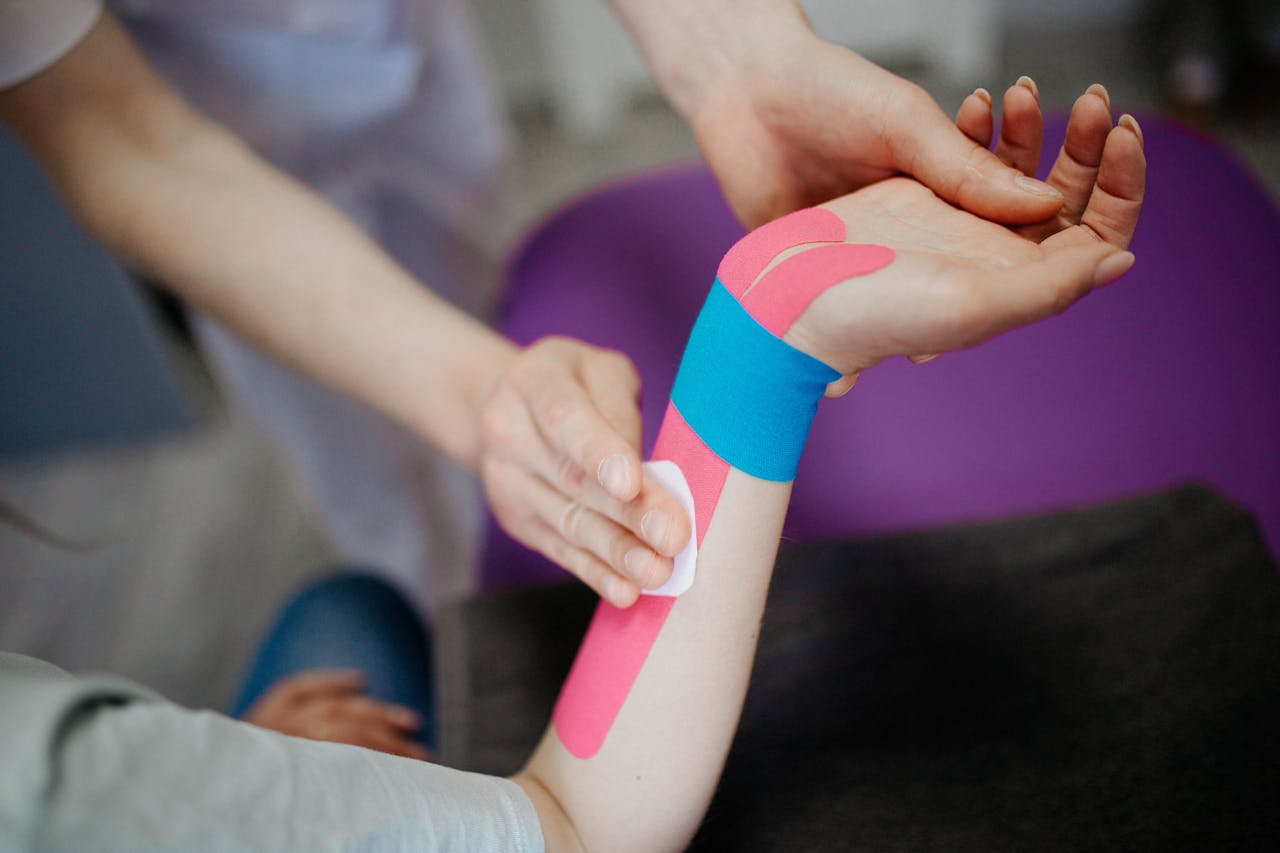
Wrist sprains, ankle injuries
|
Wrist supports, balance training, landing techniques
|
| Swimming | Shoulder impingement, lower back pain | Core strengthening, proper stroke mechanics, warm-up |
| Cycling | Knee pain, lower back strain | Bike fitting, strength training, flexibility exercises |
Recognizing these risks early is key to preventing them from becoming chronic problems.
Strategies for Injury Prevention
Prevention is always better than treatment. Here’s how to stay ahead of injuries:
- Warm-Up and Cool Down – Start each session with dynamic stretches and finish with static stretches.
- Strength Training – Target muscles used most in your sport to improve stability and endurance.
- Proper Technique – Work with a coach to ensure correct form and reduce strain.
- Rest and Recovery – Overtraining is a major cause of injury. Schedule rest days and get quality sleep.
- Equipment Check – Shoes, rackets, or gear should fit properly and be in good condition.
Even small adjustments can make a huge difference in keeping your body injury-free.
Rehabilitation: Getting Back in the Game
If an injury does occur, proper rehabilitation is crucial:
- Immediate care: Use the RICE method (Rest, Ice, Compression, Elevation) for acute injuries.
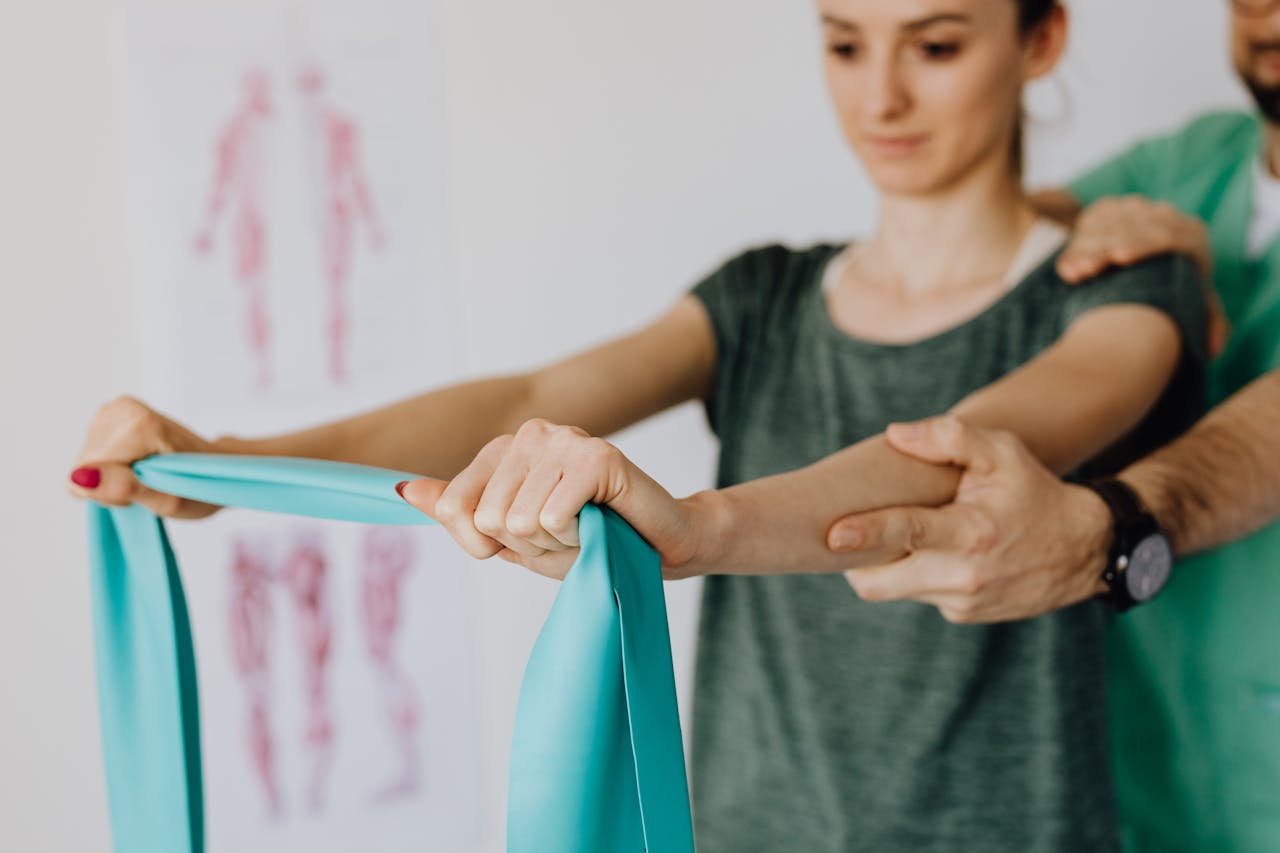
- Physical therapy: A professional can guide exercises to restore strength, flexibility, and mobility.
- Gradual return: Don’t rush back to full intensity; progressive training reduces re-injury risk.
- Monitor pain and progress: Listen to your body and adjust training if discomfort persists.
A well-structured rehab plan not only helps you recover faster but often makes you stronger and less prone to future injuries.
Mental Approach: Injury Prevention Starts in the Mind
Preventing injuries isn’t purely physical. Mental preparation is just as important:
- Focus and awareness: Pay attention to movements and signals from your body.
- Stress management: High stress can lead to poor technique or overtraining.
- Patience: Accept that rest and recovery are part of athletic success.
Your mind and body need to work together to stay healthy and resilient.
Conclusion
Injury prevention and rehabilitation in individual sports are essential for long-term success. By combining proper training, technique, equipment, and mental focus, you can minimize risks and bounce back stronger when injuries do occur. Remember, smart prevention today means better performance tomorrow.
Frequently Asked Questions about Injury Prevention and Rehabilitation
At least 2–3 times per week, focusing on sport-specific muscles and core stability.
Yes, dynamic stretching before activity and static stretching after helps improve flexibility and reduce muscle strain.
Recovery varies by injury type and severity; minor strains may heal in 1–2 weeks, while more serious injuries could take months with proper rehab.
No. Pain is a warning sign. Training through it can worsen the injury. Stop and consult a professional.
Absolutely! Protein supports muscle repair, while calcium and vitamin D strengthen bones. Staying hydrated also aids recovery and performance.


Was This Article Helpful?
Click on a star to rate it!
Thank you for your vote!

Average Rating: 4.9/5 Votes: 32
Be the first to rate this post!

Proficient background in project planning, execution, and continuous improvement. Experienced in analyzing ideas and forecasting project success, defining requirements and timelines, and managing communication across cross-functional teams. Skilled in creating and maintaining project documentation, automating processes, and making data-driven decisions in critical situations.
View LinkedIn ProfileLatest Posts

Travel Photography Tips for Stunning Memories
The Rise of Cross-Platform Gaming

Esports Arenas and the Future of Competitive Gaming