The Circular Economy: Rethinking How We Produce and Consume
Our planet is under pressure. From overflowing landfills to resource depletion, the traditional “take, make, dispose” model of production is no longer sustainable. Enter the circular economy—a system that rethinks how we produce, consume, and reuse resources. By minimizing waste and maximizing value, it offers a roadmap to a more sustainable future.
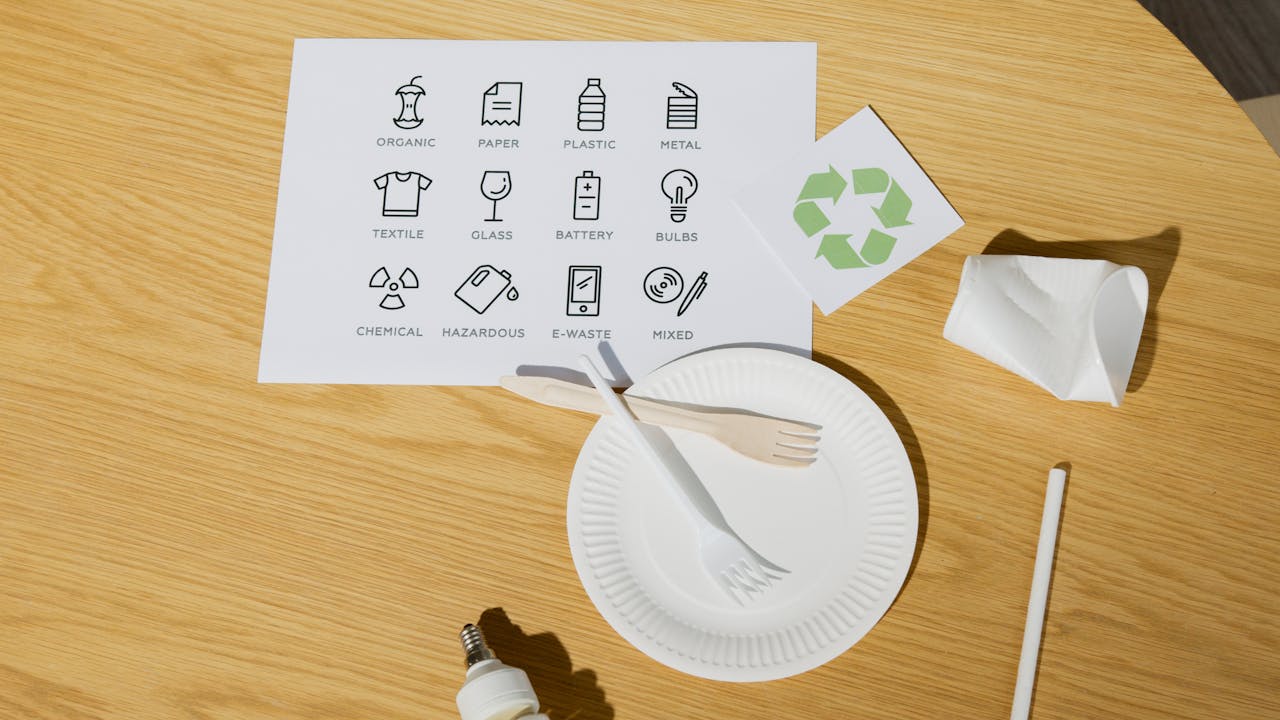
What Is a Circular Economy?
A circular economy is designed to keep resources in use for as long as possible. Instead of the linear approach of extracting raw materials, making products, and discarding them, the circular model focuses on:
- Reduce: Minimize resource consumption
- Reuse: Extend the life of products
- Recycle: Convert waste into new materials
- Regenerate: Restore natural systems
Think of it like nature itself—nothing goes to waste, and everything has a purpose.
Why the Circular Economy Matters
The circular economy addresses major environmental and economic challenges:
- Waste reduction: Less trash in landfills and oceans
- Resource efficiency: Reduces pressure on finite resources
- Climate action: Lower carbon emissions from production and disposal
- Economic growth: Opens opportunities for innovation and green jobs
In short, it benefits businesses, communities, and the environment simultaneously.
Examples of Circular Economy in Action
Many industries are adopting circular principles:
- Fashion: Brands using recycled fabrics or resale platforms
- Electronics: Devices designed for repair and recycling
- Packaging: Biodegradable or reusable materials
- Automotive: Car parts refurbished or repurposed
- Food systems: Composting and waste-to-energy initiatives
The goal is simple: make products last longer, work smarter, and leave less behind.
Challenges to Implementation
While promising, the circular economy faces hurdles:
- Cost and investment: Initial setup for circular systems can be high
- Consumer behavior: People need to embrace reuse and recycling
- Supply chain complexity: Coordinating circular loops requires collaboration
- Policy gaps: Regulations often still favor linear production models
Overcoming these challenges requires coordinated efforts from governments, businesses, and individuals
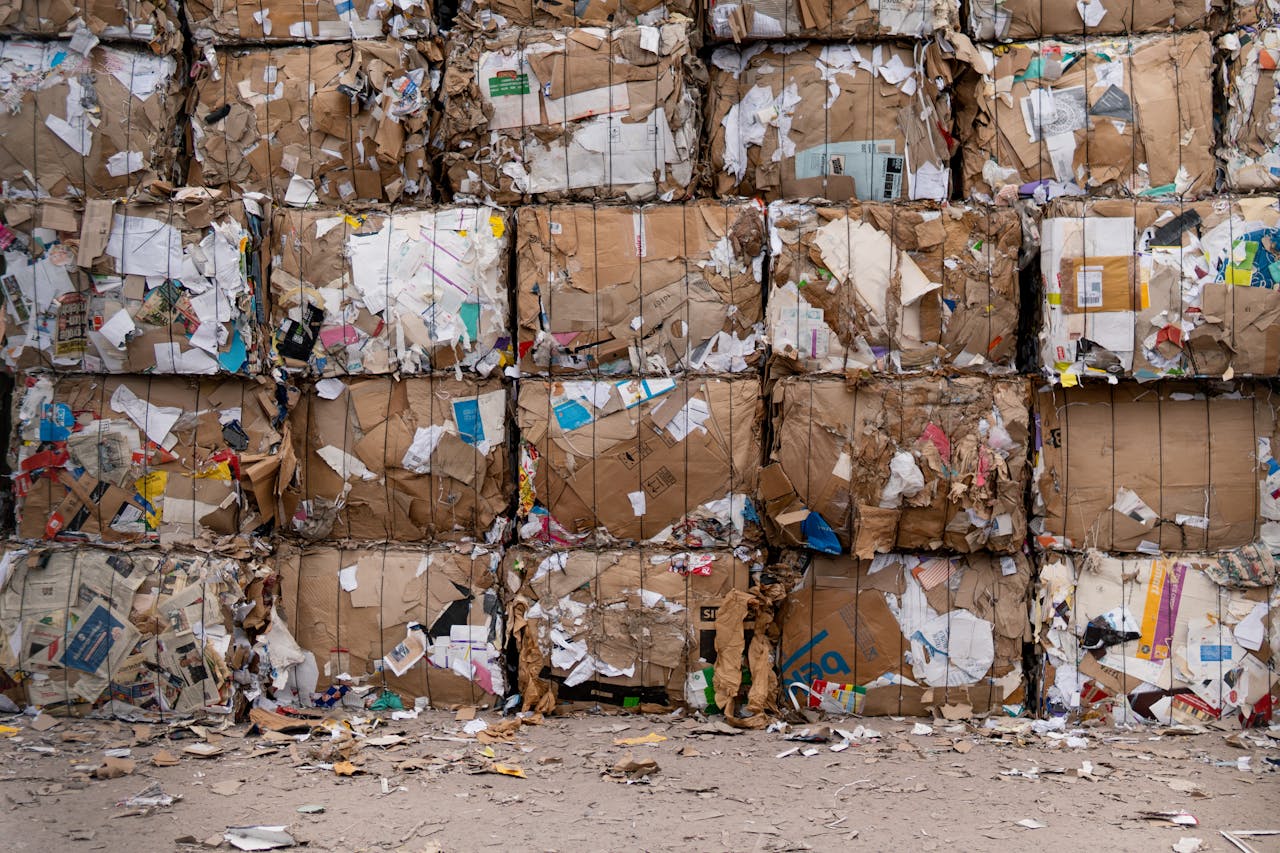
Linear vs Circular Economy
|
Aspect
|
Linear Economy
|
Circular Economy
|
|
Resource Use
|
Extract → Make → Dispose
|
Reduce → Reuse → Recycle → Regenerate
|
|
Waste Management
|
Landfills, incineration
|
Minimal waste, closed loops
|
|
Economic Approach
|
Short-term profit
|
Long-term value & sustainability
|
|
Environmental Impact
|
High pollution & emissions |
Lower emissions, resource-efficient
|
How You Can Contribute
Everyone can play a role in supporting a circular economy:
- Buy durable products: Choose quality over quantity
- Repair instead of replace: Fix electronics, furniture, and clothing
- Recycle properly: Separate waste and follow local guidelines
- Support sustainable brands: Choose companies embracing circular practices
- Reduce consumption: Rethink what you truly need
Small changes in daily life can collectively drive a huge impact.
Conclusion
The circular economy offers a blueprint for sustainable living and production. By reducing waste, reusing materials, and regenerating ecosystems, we can protect the planet while creating economic opportunities. Transitioning to circular systems isn’t just for corporations—it’s a shared responsibility. Every choice, from what we buy to how we dispose of products, matters in building a resilient, sustainable future.
Frequently Asked Questions about The Circular Economy


Was This Article Helpful?
Click on a star to rate it!
Thank you for your vote!

Average Rating: 4.9/5 Votes: 16
Be the first to rate this post!

Expert in backend development and database architecture. Specializes in building, optimizing, and maintaining scalable PHP applications, designing efficient database structures, and ensuring data integrity and performance. Experienced in working with relational databases, writing optimized queries, and integrating backend systems with APIs and business logic to support reliable, high-performance web solutions.
View LinkedIn ProfileLatest Posts

Travel Photography Tips for Stunning Memories

The Rise of Cross-Platform Gaming

Esports Arenas and the Future of Competitive Gaming