Article Plan
- What Is a Sustainable Food System?
- Sustainable Farming: Where It All Begins
- Distribution and Transport: Cutting the Footprint
- Sustainable Consumption: Your Plate Matters Too
- Food Waste: The Hidden Sustainability Crisis
- Table: Key Elements of a Sustainable Food System
- Conclusion
- Frequently Asked Questions about Sustainable Food Systems
Sustainable Food Systems: From Farm to Table
Creating a sustainable food system isn’t just a trend—it’s a necessity. As the global population rises and environmental pressures grow, how we produce, distribute, and consume food needs a major rethink. So what does a truly sustainable food system look like? And how can each of us support it? Let’s break it down in simple, real-world terms.
What Is a Sustainable Food System?
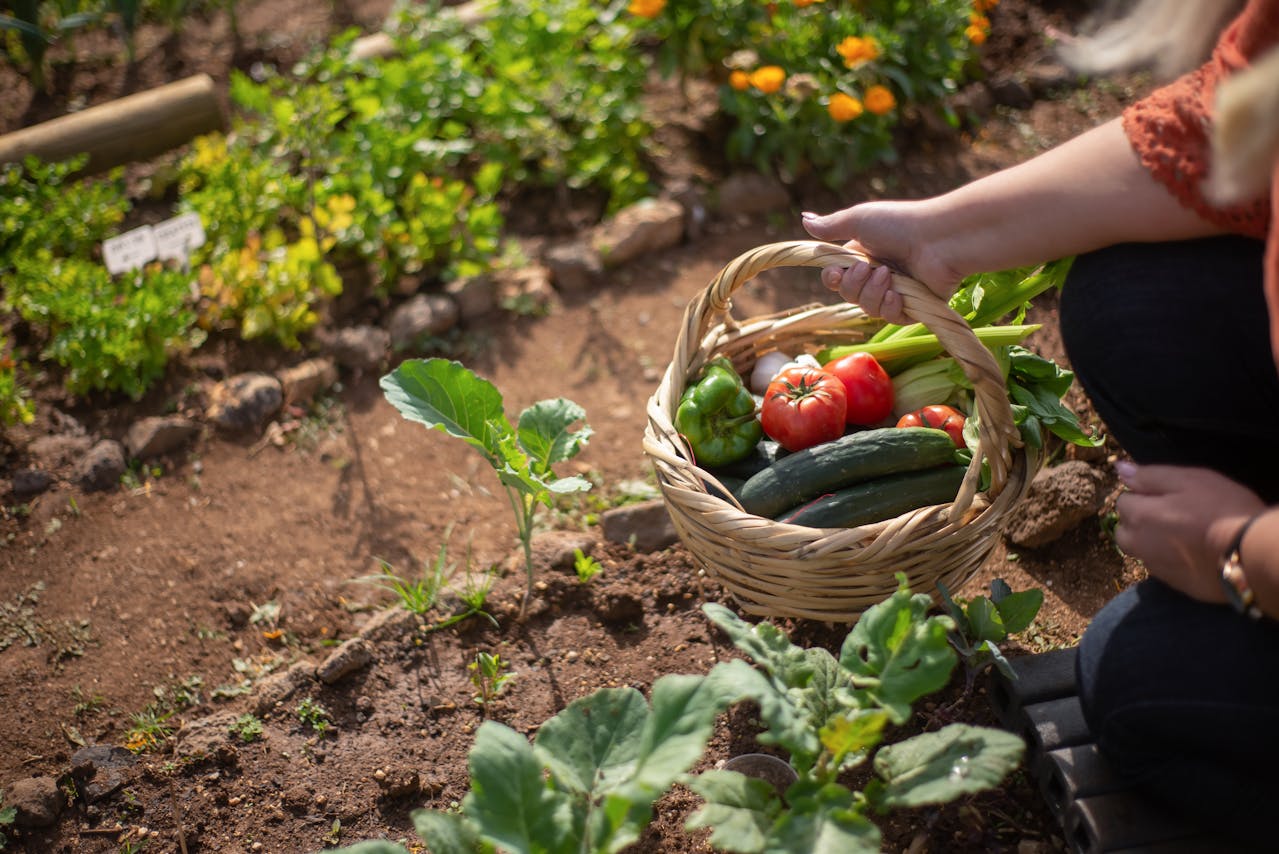
A sustainable food system is like a healthy ecosystem. Every part—farmers, transport, markets, consumers—works together without exhausting natural resources or harming the planet.
It ensures food is produced in a way that:
- Protects the environment
- Supports fair labor
- Reduces waste
- Provides nutritious food for all
In short, it’s a farm-to-table approach that benefits people, animals, and the planet.
Sustainable Farming: Where It All Begins
Sustainable food systems start with how food is grown. Modern farming innovations help reduce pollution, improve soil health, and use resources wisely.
Key practices include:
1. Regenerative Agriculture
This goes beyond sustainability—it restores the land. Think crop rotation, composting, and cover crops that make soil healthier over time.
2. Water-Efficient Techniques
Drip irrigation, rainwater harvesting, and drought-resistant crops help save precious water.
3. Reduced Chemical Use
Farmers use natural pest control, organic fertilizers, and integrated pest management to protect the environment and biodiversity.
4. Supporting Local and Small Farms
Small-scale farmers often use more sustainable methods and boost local economies.
Distribution and Transport: Cutting the Footprint
Getting food from farm to table involves transportation, packaging, and storage—all major contributors to emissions. Cutting this footprint is key.
Ways the system is improving:
- Shorter supply chains through farmers’ markets and local sourcing
- Eco-friendly packaging to reduce plastic waste
- Electric or fuel-efficient delivery fleets
- Better cold-storage and logistics to prevent spoilage
You’ve probably heard the phrase “eat local”—and it’s for good reason. Reducing food miles helps shrink the environmental impact dramatically.
Sustainable Consumption: Your Plate Matters Too
What we eat and how we eat it can make or break the food system.
Simple ways we can help:
- Choose seasonal produce
- Reduce food waste at home
- Buy from local producers
- Incorporate more plant-based meals
- Plan meals and store food properly
If our food choices were votes, every meal would be an election—one that decides the future of our planet.
Food Waste: The Hidden Sustainability Crisis
Here’s a shocking reality: one-third of all food produced globally is wasted.
But food waste isn’t just about what ends up in the trash—it's lost water, energy, and labor too.
Solutions include:
- Better storage and distribution systems
- Apps that sell surplus restaurant meals at a discount
- Composting food scraps
- Educating consumers on expiration labels
Small changes at home can significantly reduce food waste on a global scale.
Table: Key Elements of a Sustainable Food System
|
Element
|
Goal
|
Examples
|
| Sustainable Farming | Protect land & biodiversity | Regenerative agriculture, reduced chemicals |
|
Efficient Distribution
|
Reduce emissions | Local sourcing, eco-friendly packaging |
|
Responsible Consumption
|
Healthier choices
|
Seasonal foods, plant-based meals
|
|
Waste Reduction
|
Minimize loss
|
Composting, better storage
|
Conclusion
A sustainable food system isn’t built by farmers or companies alone—it’s built by all of us. From smarter farming to eco-friendly transport and mindful eating, every step in the journey matters. When we support sustainable practices, we nourish not just ourselves but the Earth that feeds us. The farm-to-table movement isn’t just a lifestyle—it’s a path toward a healthier, greener future.
Frequently Asked Questions about Sustainable Food Systems
The biggest challenge is balancing environmental protection with the need to produce enough affordable food for a growing population.
Not always. While organic farming avoids synthetic chemicals, it may require more land. Local and seasonal foods can be just as sustainable.
Urban gardens, rooftop farms, compost programs, and local food markets all help reduce food miles and waste.
Tech supports smart irrigation, precision farming, supply chain tracking, and reduced waste.
Yes—plant-based foods generally require fewer resources and produce fewer emissions than animal-based foods.


Was This Article Helpful?
Click on a star to rate it!
Thank you for your vote!

Average Rating: 4.4/5 Votes: 44
Be the first to rate this post!

Expert in backend development and database architecture. Specializes in building, optimizing, and maintaining scalable PHP applications, designing efficient database structures, and ensuring data integrity and performance. Experienced in working with relational databases, writing optimized queries, and integrating backend systems with APIs and business logic to support reliable, high-performance web solutions.
View LinkedIn ProfileLatest Posts

Travel Photography Tips for Stunning Memories

The Rise of Cross-Platform Gaming

Esports Arenas and the Future of Competitive Gaming