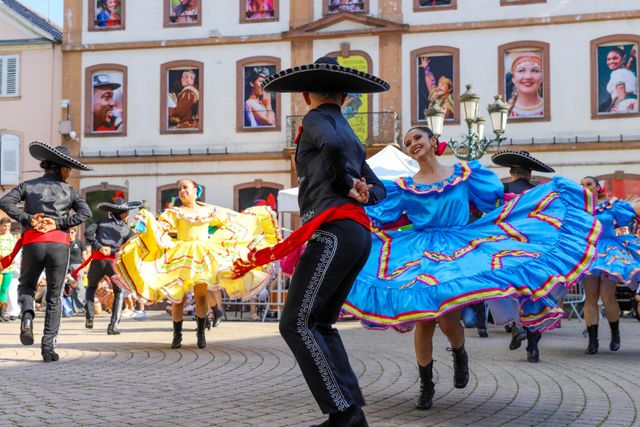
Intersectionality Explained: Why Social Justice Must Address Multiple Identities
You’ve probably heard the term “intersectionality” tossed around in conversations about social justice, but what does it really mean? At its core, intersectionality is about understanding how different aspects of a person’s identity, like race, gender, class, sexuality, and ability, overlap and influence their experiences, particularly with discrimination or privilege.
Let’s break it down and explore why social justice efforts must consider these multiple identities to be truly effective.

What Is Intersectionality?
Intersectionality is a framework coined by legal scholar Kimberlé Crenshaw in 1989. She used it to highlight how Black women were often overlooked by policies and discussions that addressed either race or gender, but rarely both.
In simple terms: intersectionality is about seeing the whole person, not just one part of their identity.
For example:
- A Black woman may face discrimination in ways that are different from a Black man or a white woman.
- A disabled LGBTQ+ person may experience unique challenges in accessing healthcare or employment.
Understanding these overlapping identities is crucial because one-size-fits-all solutions often leave the most marginalized people behind.
Why Intersectionality Matters in Social Justice
Social justice isn’t just about fighting one type of inequality, it’s about dismantling all forms of systemic oppression. Here’s why intersectionality is essential:
- Recognizes Complexity – People don’t exist in isolated categories. Their experiences are shaped by multiple factors at once.
- Improves Policy Effectiveness – Policies and programs that consider intersecting identities are more likely to address real-world issues.
- Centers Marginalized Voices – Intersectionality ensures that the needs of those at the margins aren’t overlooked.
- Challenges Single-Axis Thinking – Focusing solely on one aspect of identity (like race or gender) risks perpetuating inequity for those who face multiple forms of oppression.
Think of it as looking at a web of experiences rather than a single thread, you can’t understand the strength of the web if you only look at one line.
How Intersectionality Shows Up in Real Life
Intersectionality isn’t just an academic concept, it affects real people in tangible ways:
| Scenario |
Intersectional Insight
|
| Workplace hiring | Women of color may face both gender and racial biases, impacting promotions and pay. |
|
Healthcare
|
LGBTQ+ people of color may experience discrimination that affects access to care. |
|
Education
|
Students from low-income, minority backgrounds may face barriers that are different from wealthier peers.
|
| Legal system | Marginalized groups may be disproportionately targeted by policies due to overlapping factors like race and socioeconomic status. |
Recognizing these overlaps is essential for creating fairer systems and more inclusive communities.
Applying Intersectionality to Social Justice Work
So, how do activists, organizations, and policymakers apply intersectionality?
- Inclusive research and data collection: Track multiple identity markers to understand nuanced disparities.
- Diverse leadership: Ensure decision-makers reflect the communities they serve.
- Tailored programs: Design initiatives that address overlapping disadvantages, not just one issue at a time.
- Amplify voices at the margins: Prioritize input from those who are most affected by compounded oppression.
By embedding intersectionality into social justice strategies, we create solutions that are both equitable and sustainable.
Conclusion
Intersectionality reminds us that identity is multidimensional, and so are the challenges people face. Social justice must account for overlapping forms of oppression to truly promote equality. When we see people in their full complexity, policies, programs, and activism become more inclusive, effective, and just.
It’s not just about fighting for one group, it’s about fighting for everyone, in all their intersecting identities.
Frequently Asked Questions about Intersectionality Explained
Kimberlé Crenshaw, a legal scholar, coined the term in 1989 to highlight overlapping forms of discrimination, especially for Black women.
Diversity focuses on representation, while intersectionality examines how multiple identities intersect to shape experiences, including oppression and privilege.
Yes! Activists, educators, policymakers, and organizations can apply it to ensure programs and initiatives are inclusive and equitable.
Policies that ignore overlapping identities may fail to address the needs of those most marginalized, leading to ineffective or even harmful outcomes.
No. It also considers factors like class, sexuality, disability, religion, age, and more, any identity that can affect experiences of privilege or oppression.


Was This Article Helpful?
Click on a star to rate it!
Thank you for your vote!

Average Rating: 4.7/5 Votes: 23
Be the first to rate this post!

Expert in backend development and database architecture. Specializes in building, optimizing, and maintaining scalable PHP applications, designing efficient database structures, and ensuring data integrity and performance. Experienced in working with relational databases, writing optimized queries, and integrating backend systems with APIs and business logic to support reliable, high-performance web solutions.
View LinkedIn ProfileLatest Posts

Travel Photography Tips for Stunning Memories

The Rise of Cross-Platform Gaming

Esports Arenas and the Future of Competitive Gaming