Article Plan
- Why International Organizations Matter
- Key Players in Global Human Rights Protection
- How These Organizations Enforce Human Rights
- Challenges to Enforcement
- Table: Major International Organizations and Their Roles
- Conclusion
- Frequently Asked Questions about The Role of International Organizations in Enforcing Human Rights
The Role of International Organizations in Enforcing Human Rights
International organizations play a crucial role in protecting human rights around the world. While no single institution can solve every violation, together they form a global safety net that pressures governments, supports victims, and promotes accountability. Let’s break down how these organizations work—and why they matter more than ever.
Why International Organizations Matter
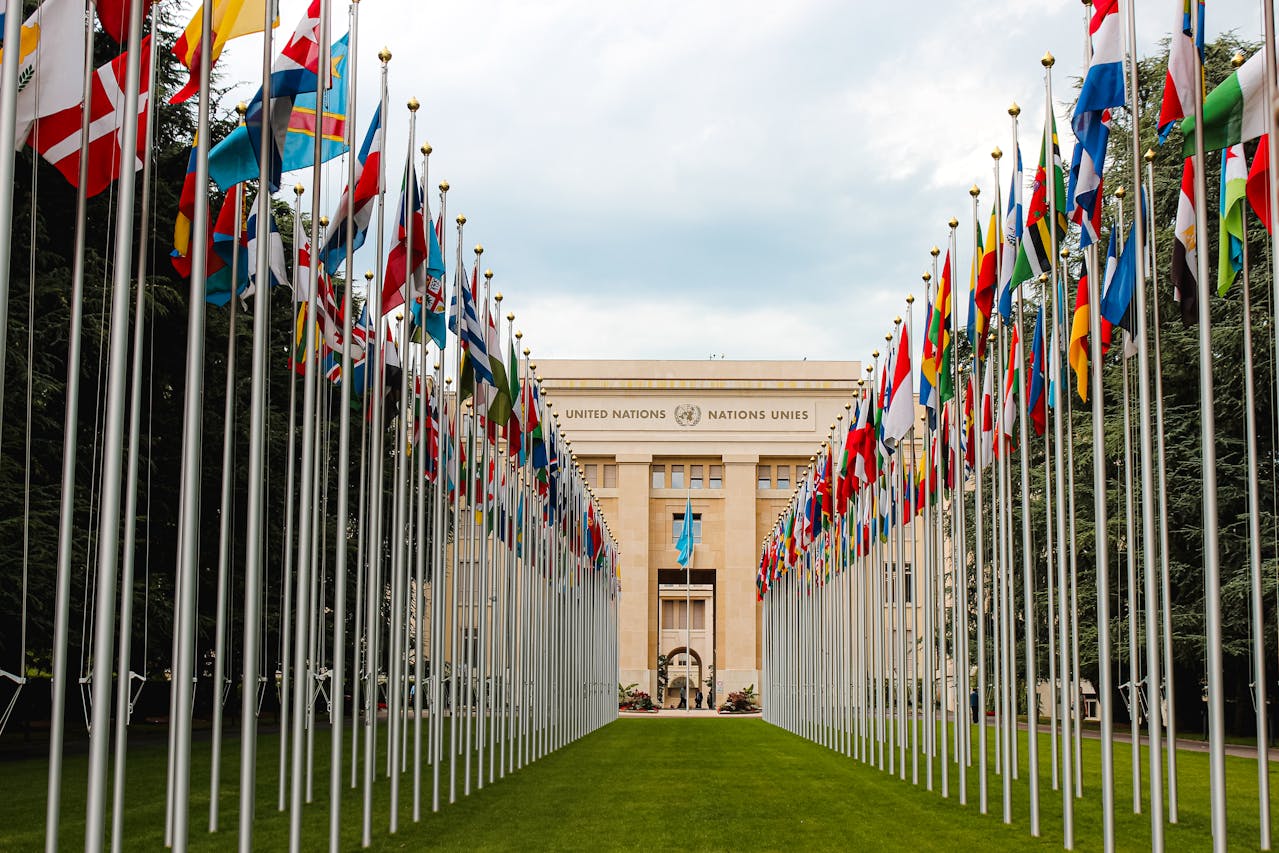
Human rights violations don’t stop at borders. When abuses happen, local systems may fail to respond—sometimes because the government is involved. That’s where international organizations step in.
Think of them as global referees: they may not control the whole game, but they can set rules, call out fouls, and push for fair play.
Key Players in Global Human Rights Protection
1. The United Nations (UN)
The UN is the backbone of international human rights enforcement. Its agencies, like the Human Rights Council and the Office of the High Commissioner for Human Rights (OHCHR), monitor abuses, investigate violations, and pressure governments to comply with global standards.
Tools the UN uses include:
- Public reports on human rights conditions
- Special rapporteurs (experts who investigate violations)
- Sanctions recommendations
- Peacekeeping missions
2. International Criminal Court (ICC)
The ICC focuses on the world’s gravest crimes—genocide, war crimes, and crimes against humanity. Unlike most organizations, the ICC can prosecute individuals, including military leaders and heads of state.
3. Regional Organizations
These groups provide human rights protection closer to home.
- European Court of Human Rights (ECHR)
Allows citizens to bring cases directly against states. - African Union (AU)
Works through the African Commission on Human and Peoples’ Rights. - Organization of American States (OAS)
Protects rights across North and South America.
These regional bodies often have stronger enforcement mechanisms than global organizations.
4. Non-Governmental Organizations (NGOs)
Groups like Amnesty International and Human Rights Watch may not have legal power, but they influence enforcement through:
- Investigative reporting
- Public awareness campaigns
- Pressuring governments through global advocacy
NGOs are often the first to document abuses that larger organizations later act on.
How These Organizations Enforce Human Rights
Enforcement varies widely. Here’s how the system works in practice:
1. Monitoring and Reporting
Organizations gather evidence about violations. Sometimes this alone forces governments to change behavior—no country likes being exposed on the global stage.
2. Diplomatic Pressure
Sanctions, resolutions, and international criticism can push governments to adopt reforms.
3. Legal Action
Courts like the ICC and ECHR give victims a path to justice when their governments fail them.
4. Peacekeeping and Humanitarian Intervention
UN peacekeepers help stabilize conflict zones and protect civilians from violence.
5. Assistance and Capacity-Building
Organizations help nations draft laws, train judges, and strengthen institutions that uphold human rights.
Challenges to Enforcement
Enforcing human rights is far from easy. Here’s why:
- Political resistance: Some governments reject outside involvement.
- Limited resources: Monitoring and investigations require funding and staff.
- Sovereignty issues: Countries argue that human rights enforcement violates national independence.
- Slow legal processes: International courts can take years to resolve cases.
Despite these hurdles, international organizations remain essential—often the only hope for victims living under abusive regimes.
Table: Major International Organizations and Their Roles
|
Organization
|
Primary Role
|
Enforcement Tools
|
| United Nations (UN) | Monitoring, advising, peacekeeping | Reports, sanctions, missions |
|
International Criminal Court (ICC)
|
Prosecutes severe violations | Arrest warrants, trials |
|
European Court of Human Rights (ECHR)
|
Regional human rights court
|
Binding judgments
|
|
African Union (AU)
|
Regional human rights oversight
|
Investigations, charters
|
|
NGOs
|
Advocacy and documentation
|
Reports, campaigns
|
Conclusion
International organizations may not have unlimited power, but they play a vital role in protecting human rights worldwide. They shine a light on abuses, support vulnerable communities, and hold perpetrators accountable when national systems fail. As global challenges grow—conflict, migration, technological risks—their work becomes even more essential. Ultimately, human rights enforcement is a collective effort, and international organizations are at the heart of it.
Frequently Asked Questions about The Role of International Organizations in Enforcing Human Rights
Not always. They rely on diplomacy, legal judgments, and global pressure, but can’t directly control governments.
Any state party, the UN Security Council, or the ICC prosecutor can refer cases.
Often yes—because they focus on specific cultural, political, and legal contexts.
They provide critical evidence, raise awareness, and pressure governments to act.
Political will. Without cooperation from governments, international bodies face tough limitations.


Was This Article Helpful?
Click on a star to rate it!
Thank you for your vote!

Average Rating: 4.1/5 Votes: 21
Be the first to rate this post!
Proficient background in project planning, execution, and continuous improvement. Experienced in analyzing ideas and forecasting project success, defining requirements and timelines, and managing communication across cross-functional teams. Skilled in creating and maintaining project documentation, automating processes, and making data-driven decisions in critical situations.
View LinkedIn ProfileLatest Posts
How Individuals Can Support Animal Protection: Simple Actions That Create Change

The Role of Consumers in Sustainability: How Everyday Choices Can Create Change
Human Rights Challenges in Conflict Zones: Protecting People During Crisis