Access to Healthcare as a Fundamental Human Right
Imagine being sick and not being able to see a doctor because of cost, location, or discrimination. Unfortunately, this is a reality for millions worldwide. Access to healthcare isn’t just a service, it’s a fundamental human right. Every person deserves timely, affordable, and quality care, regardless of their background or circumstances.
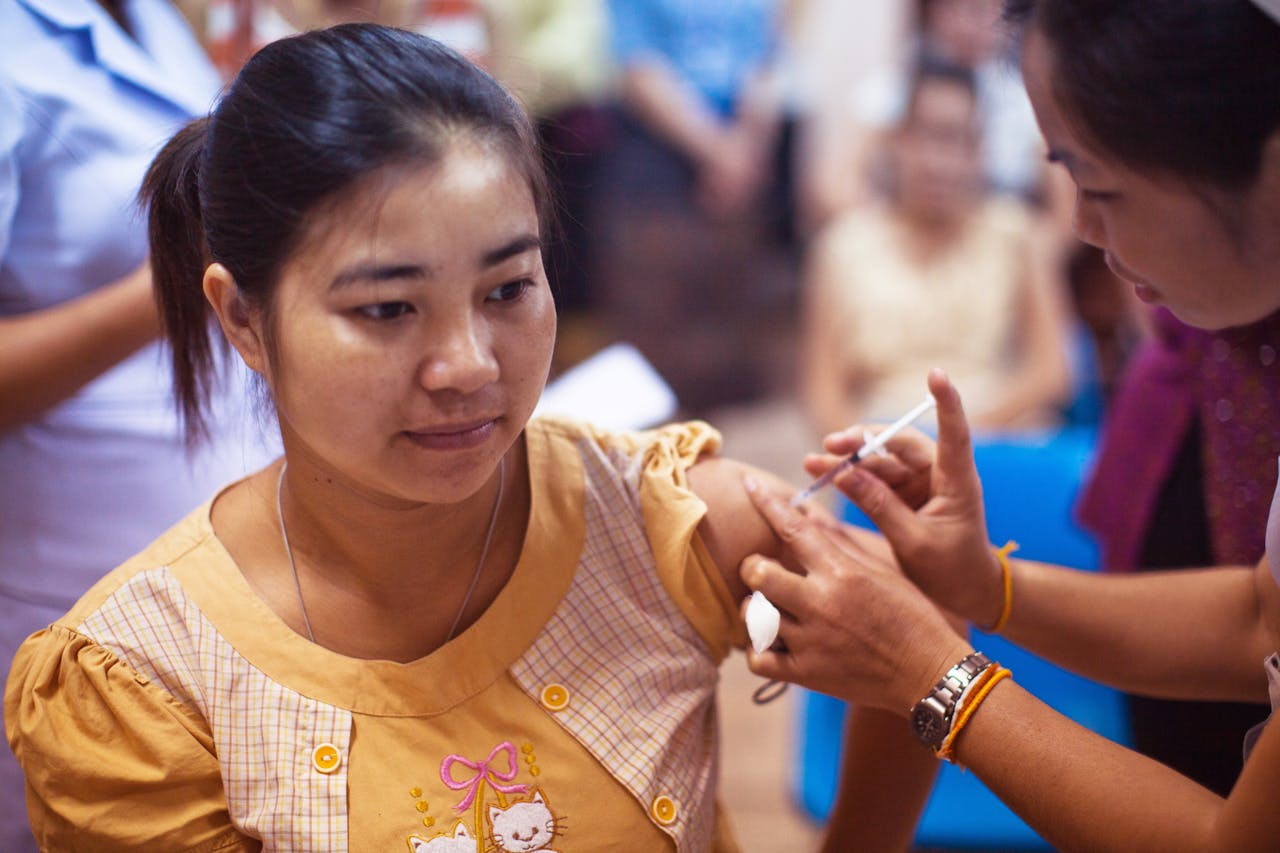
What Does “Healthcare as a Human Right” Mean?
The idea that healthcare is a human right is enshrined in international law. The World Health Organization (WHO) and the United Nations recognize that everyone should have access to the health services they need without financial hardship.
In simple terms, it means:
- No one should go without essential medical care.
- Health services should be affordable, accessible, and equitable.
- Governments and societies have a responsibility to ensure healthcare for all.
This principle is not just ethical, it’s practical. Healthy populations are more productive, resilient, and better equipped to contribute to society.
Why Access to Healthcare Is Essential
Healthcare is more than just treatment for illness; it’s a cornerstone of human dignity and equality. Here’s why it matters:
- Saves Lives – Early diagnosis and treatment prevent complications and fatalities.
- Reduces Poverty – Avoids catastrophic medical expenses that can push families into financial crisis.
- Promotes Social Equity – Ensures vulnerable populations, including women, children, and minorities, receive the care they need.
- Supports Economic Growth – Healthy citizens can work, learn, and contribute to their communities.
Simply put, access to healthcare is not a privilege, it’s a necessity for thriving societies.
Barriers to Healthcare Access
Despite being a human right, many face obstacles:
| Barrier |
Impact
|
Example
|
| Financial | People cannot afford treatment or insurance | High hospital bills prevent care for chronic illnesses |
|
Geographic
|
Rural areas lack medical facilities | Villagers traveling hours for basic healthcare |
|
Cultural & Social
|
Discrimination or stigma blocks access
|
LGBTQ+ individuals avoiding care due to bias
|
| Infrastructure | Shortage of trained professionals or hospitals | Overcrowded clinics in developing regions |
| Political | Weak healthcare policies | Countries with limited public health funding |
These barriers highlight the urgent need for policies that ensure universal healthcare access.
Strategies to Ensure Healthcare as a Right
Achieving healthcare access for all requires coordinated efforts:
- Universal Health Coverage (UHC) – Governments provide affordable or free care for essential services.
- Investing in Infrastructure – Build hospitals, clinics, and train healthcare workers in underserved areas.
- Inclusive Policies – Ensure marginalized groups receive culturally sensitive and non-discriminatory care.
- Preventive Care Programs – Focus on vaccinations, screenings, and education to reduce disease burden.
- Global Collaboration – Share resources and knowledge internationally, especially in crises like pandemics.
By implementing these strategies, healthcare becomes a reality, not just a promise.
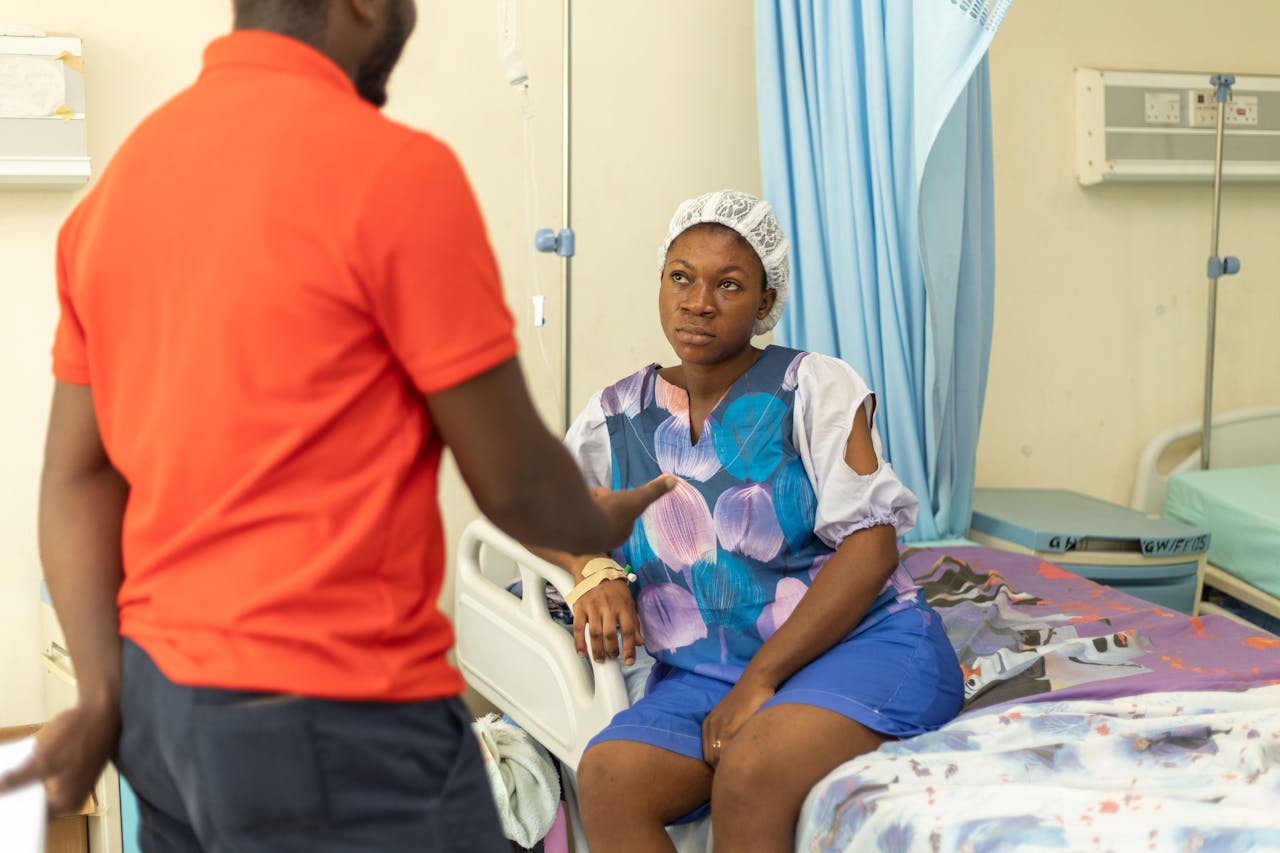
Conclusion
Access to healthcare is a fundamental human right, critical for dignity, equality, and prosperity. While challenges remain, the path forward is clear: invest in infrastructure, create inclusive policies, and prioritize universal access. A world where everyone can receive the care they need isn’t just idealistic, it’s achievable and essential.
Frequently Asked Questions about Access to Healthcare
Not universally. While many nations recognize it, implementation and coverage vary widely.
UHC ensures that all individuals receive essential healthcare without financial hardship.
Governments are responsible for funding, regulating, and providing equitable healthcare services.
It increases preventable deaths, deepens poverty, and limits economic and social development.
Yes. Organizations like WHO, UNICEF, and NGOs support countries with funding, expertise, and emergency aid.


Was This Article Helpful?
Click on a star to rate it!
Thank you for your vote!

Average Rating: 4.3/5 Votes: 25
Be the first to rate this post!

Strong engineering background in mobile and backend development. Focusing on building scalable products, improving development processes — from architecture and APIs to UX redesigns, monetization, and analytics. Responsible for applications with 1M+ downloads and multi-project ecosystems.
View LinkedIn ProfileLatest Posts

How Individuals Can Support Animal Protection: Simple Actions That Create Change

The Role of Consumers in Sustainability: How Everyday Choices Can Create Change
Human Rights Challenges in Conflict Zones: Protecting People During Crisis