Ecological Restoration: Bringing Degraded Lands Back to Life
Have you ever walked through a barren, lifeless area and imagined what it could be if nature were allowed to thrive again? That’s the heart of ecological restoration, reviving degraded lands to restore biodiversity, improve ecosystems, and reconnect humans with the natural world. It’s a blend of science, strategy, and a bit of hope.
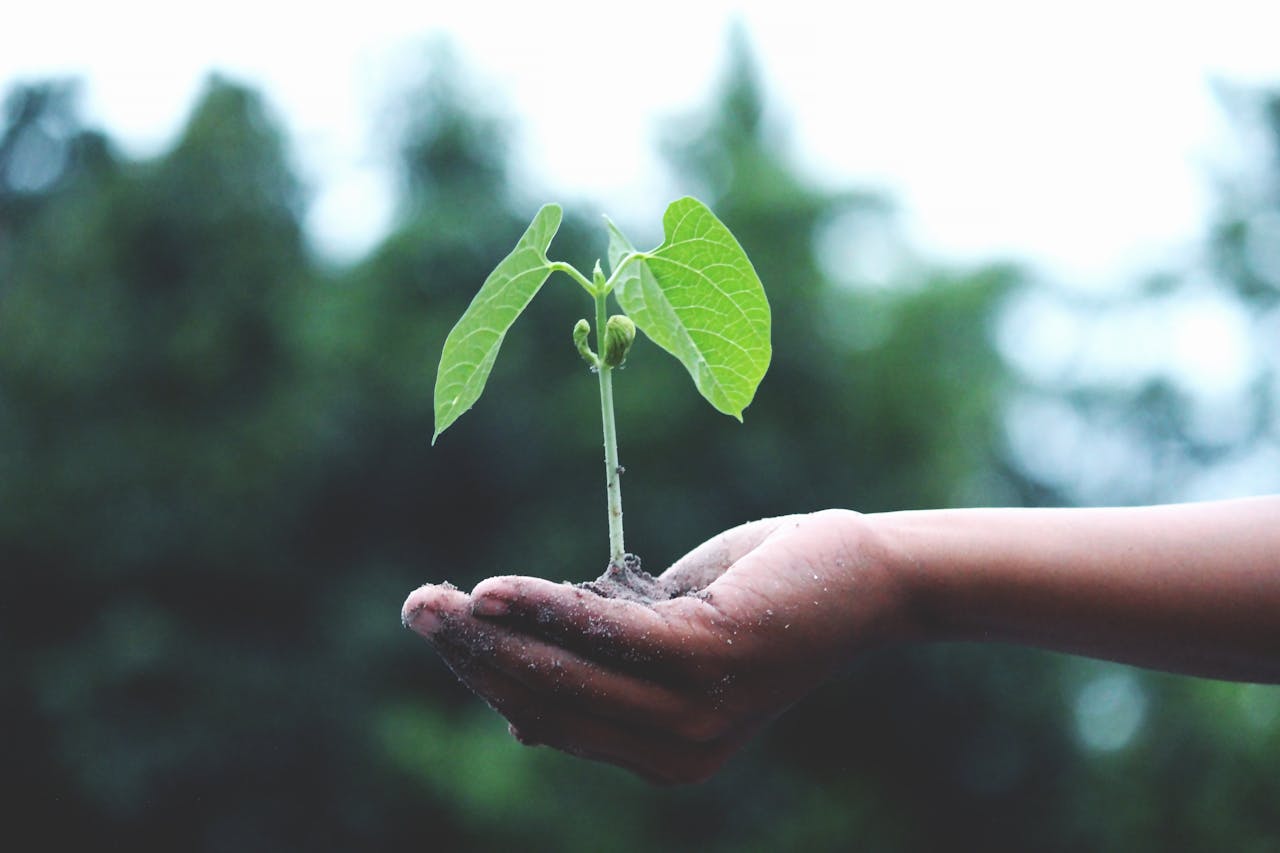
What Is Ecological Restoration?
Ecological restoration is the process of assisting the recovery of ecosystems that have been damaged, degraded, or destroyed. Think of it as giving nature a helping hand. Whether it’s reforesting a logged area, cleaning up a polluted river, or reintroducing native species, the goal is to return the land to a healthy, functioning state.
In other words, it’s nature’s second chance, but one that often needs careful planning and human guidance.
Why Ecological Restoration Matters
Restoring degraded lands isn’t just a feel-good environmental project; it has real-world benefits:
- Biodiversity recovery – Restored ecosystems provide habitats for plants, animals, and microorganisms.
- Climate mitigation – Healthy forests and wetlands absorb carbon, helping combat climate change.
- Soil health – Planting native vegetation prevents erosion and improves soil fertility.
- Water quality – Restored wetlands filter pollutants and regulate water flow.
- Human well-being – Green spaces improve mental health, provide recreation, and can support livelihoods.
Essentially, restoration helps both nature and people thrive.
Common Causes of Land Degradation
Before lands can be restored, it’s important to understand how they became degraded in the first place:
| Cause |
Example
|
Impact
|
| Deforestation | Logging, agricultural expansion | Loss of habitat, soil erosion |
|
Pollution
|
Industrial waste, pesticides | Contaminated soil and water, reduced biodiversity |
|
Overgrazing
|
Livestock grazing too intensely
|
Soil compaction, vegetation loss
|
| Mining | Open-pit mining, quarrying | Landscape disruption, chemical runoff |
| Urbanization | Construction and infrastructure | Habitat fragmentation, reduced green space |
Understanding the cause helps determine the right restoration strategy.
Key Methods of Ecological Restoration
Restoration isn’t one-size-fits-all. Different ecosystems need different approaches:
- Reforestation and Afforestation – Planting native trees to rebuild forests.
- Wetland Restoration – Reestablishing water flow and vegetation in degraded wetlands.
- Soil Remediation – Using plants or microbes to detoxify polluted soils.
- Invasive Species Management – Removing non-native plants or animals that harm local ecosystems.
- Wildlife Reintroduction – Bringing back species that once inhabited the area.
Each method works best when tailored to the local environment and supported by scientific monitoring.
The Role of Communities
Ecological restoration isn’t just about scientists, it’s about people too. Local communities often have traditional knowledge about the land, which can guide restoration efforts. Involving communities also ensures long-term success because they become stewards of the land they helped restore.
Challenges and the Road Ahead
Restoration is powerful but not easy. Challenges include funding limitations, climate change, invasive species, and balancing human needs with ecological goals. Despite these obstacles, success stories, from restored wetlands in the U.S. to reforested areas in Costa Rica, show that degraded lands can thrive again.
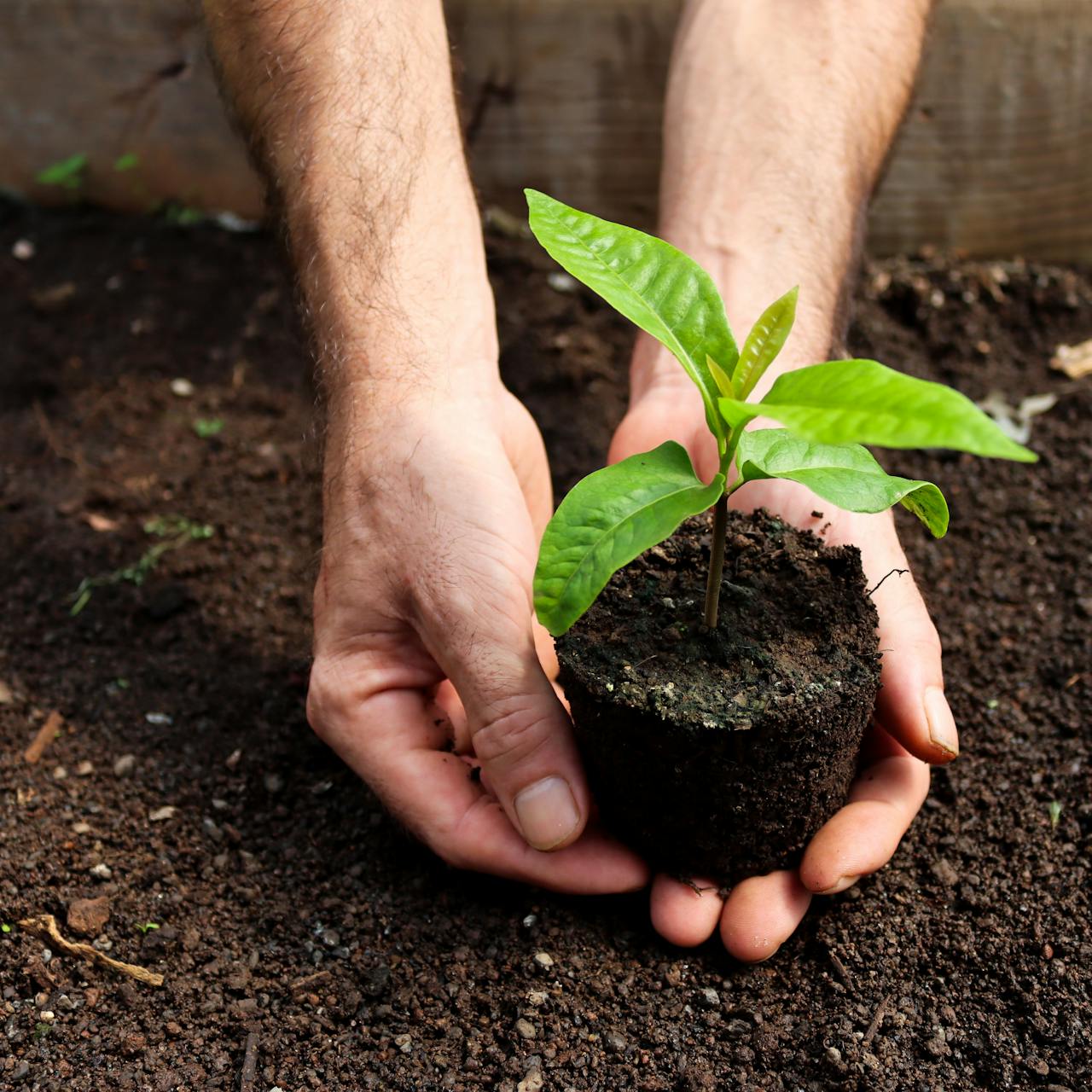
Conclusion
Ecological restoration is more than planting trees, it’s about rebuilding the complex web of life that supports both nature and humans. By understanding the causes of degradation, applying the right techniques, and involving communities, we can bring damaged lands back to life. Every restored hectare is a step toward a healthier planet and a more sustainable future.
Frequently Asked Questions about Ecological Restoration
Reforestation focuses on planting trees, while ecological restoration aims to revive entire ecosystems, including soil, water, and biodiversity.
It varies by ecosystem. Some wetlands may recover in a few years, while forests may take decades to fully restore.
Yes! Urban restoration projects include creating green spaces, restoring rivers, and planting trees to improve biodiversity and human well-being.
Governments, NGOs, scientists, and local communities all play roles. Collaborative efforts are usually the most successful.
Absolutely. Healthy ecosystems sequester carbon, reduce erosion, improve water cycles, and enhance resilience to climate impacts.


Was This Article Helpful?
Click on a star to rate it!
Thank you for your vote!

Average Rating: 4.9/5 Votes: 36
Be the first to rate this post!

Expert in backend development and database architecture. Specializes in building, optimizing, and maintaining scalable PHP applications, designing efficient database structures, and ensuring data integrity and performance. Experienced in working with relational databases, writing optimized queries, and integrating backend systems with APIs and business logic to support reliable, high-performance web solutions.
View LinkedIn ProfileLatest Posts

Travel Photography Tips for Stunning Memories

The Rise of Cross-Platform Gaming

Esports Arenas and the Future of Competitive Gaming