Article Plan
- What Is Habitat Destruction?
- Why Habitat Matters So Much for Wildlife
- Endangered Species Most Affected
- Human Activities Driving Habitat Loss
- Table: How Habitat Destruction Impacts Wildlife
- Why It Matters for Humans Too
- What Can Be Done to Stop Habitat Destruction?
- Conclusion
- Frequently Asked Questions about The Impact of Habitat Destruction on Endangered Species
The Impact of Habitat Destruction on Endangered Species
Habitat destruction is one of the biggest threats facing wildlife today. As forests are cleared, wetlands drained, and oceans polluted, countless species lose the very environments they need to survive. But what does this really mean for endangered species—and why should we care? Let’s break it down in a simple and engaging way.
What Is Habitat Destruction?
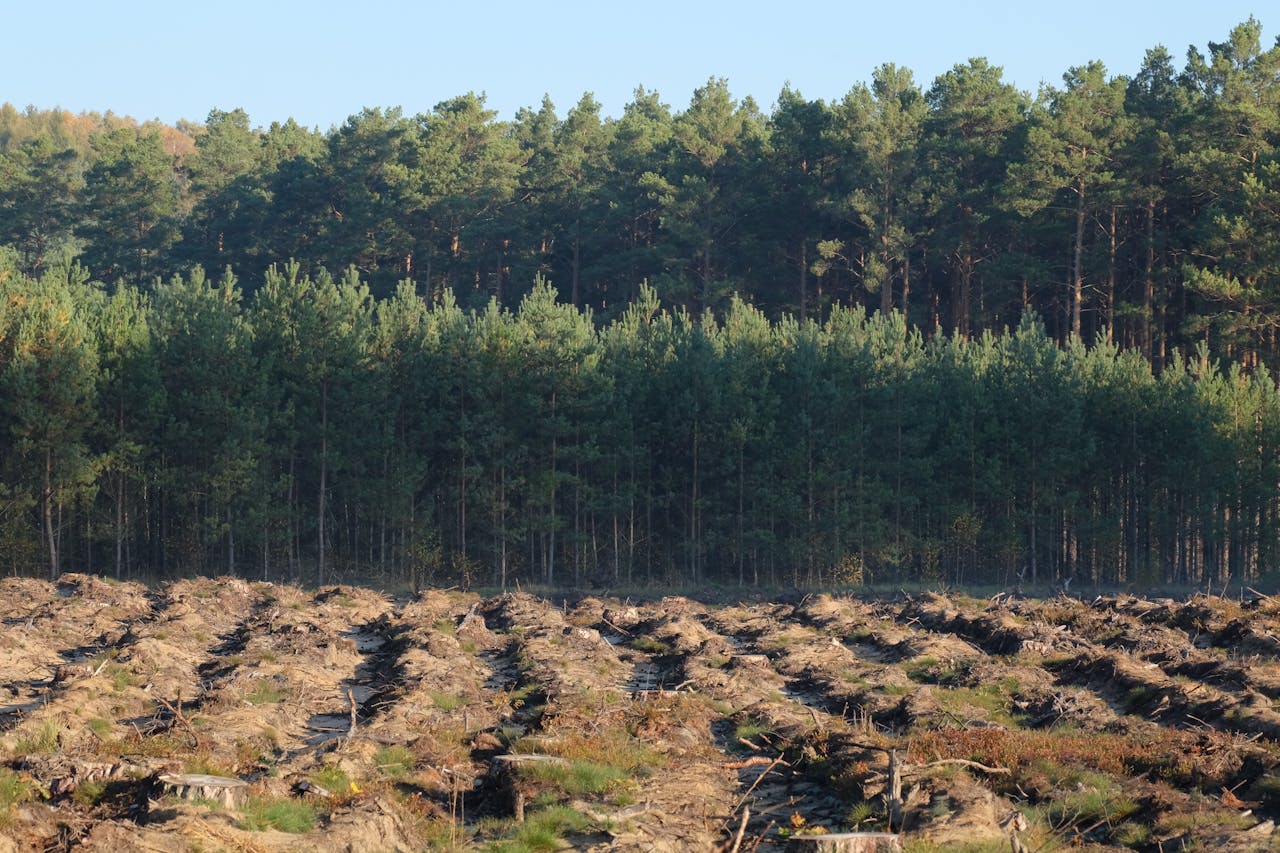
Habitat destruction happens when natural environments—like forests, grasslands, oceans, or rivers—are altered so drastically that the plants and animals living there can no longer survive.
Think of it like taking the roof off someone’s house. Without shelter, food, or safety, survival becomes nearly impossible.
Common causes include:
- Deforestation
- Urban development
- Agriculture expansion
- Mining and industrial activities
- Pollution
- Climate change
When environments disappear, species quickly follow.
Why Habitat Matters So Much for Wildlife
Every species has a “niche”—its own unique home, diet, and role in the ecosystem.
Remove one piece, and everything else can fall apart.
1. Loss of Food Sources
When habitats disappear, so do the plants and prey animals that endangered species rely on.
2. Loss of Shelter and Breeding Areas
Animals like tigers, sea turtles, and birds need safe places to raise their young. Without them, populations decline.
3. Increased Predation and Conflict
Displaced animals often wander into human areas, leading to dangerous encounters or accidental deaths.
4. Fragmented Populations
When habitats break into small patches, species become isolated and inbreeding increases, weakening their genetic health.
Endangered Species Most Affected
Some species are highly specialized—they rely on very specific environments. These animals are particularly vulnerable.
Examples include:
- Orangutans (loss of rainforests)
- Polar bears (melting ice habitats)
- Amur leopards (deforestation and human expansion)
- Sea turtles (coastal development)
- Bees and pollinators (loss of wildflower meadows)
When their habitats vanish, their chances of survival plummet.
Human Activities Driving Habitat Loss
Let’s highlight the biggest contributors:
1. Agriculture Expansion
Forests are cleared for crops like palm oil, soy, and cattle ranching, destroying millions of acres of habitat annually.
2. Urbanization
Cities keep growing outward, taking over forests, fields, and wetlands.
3. Logging and Mining
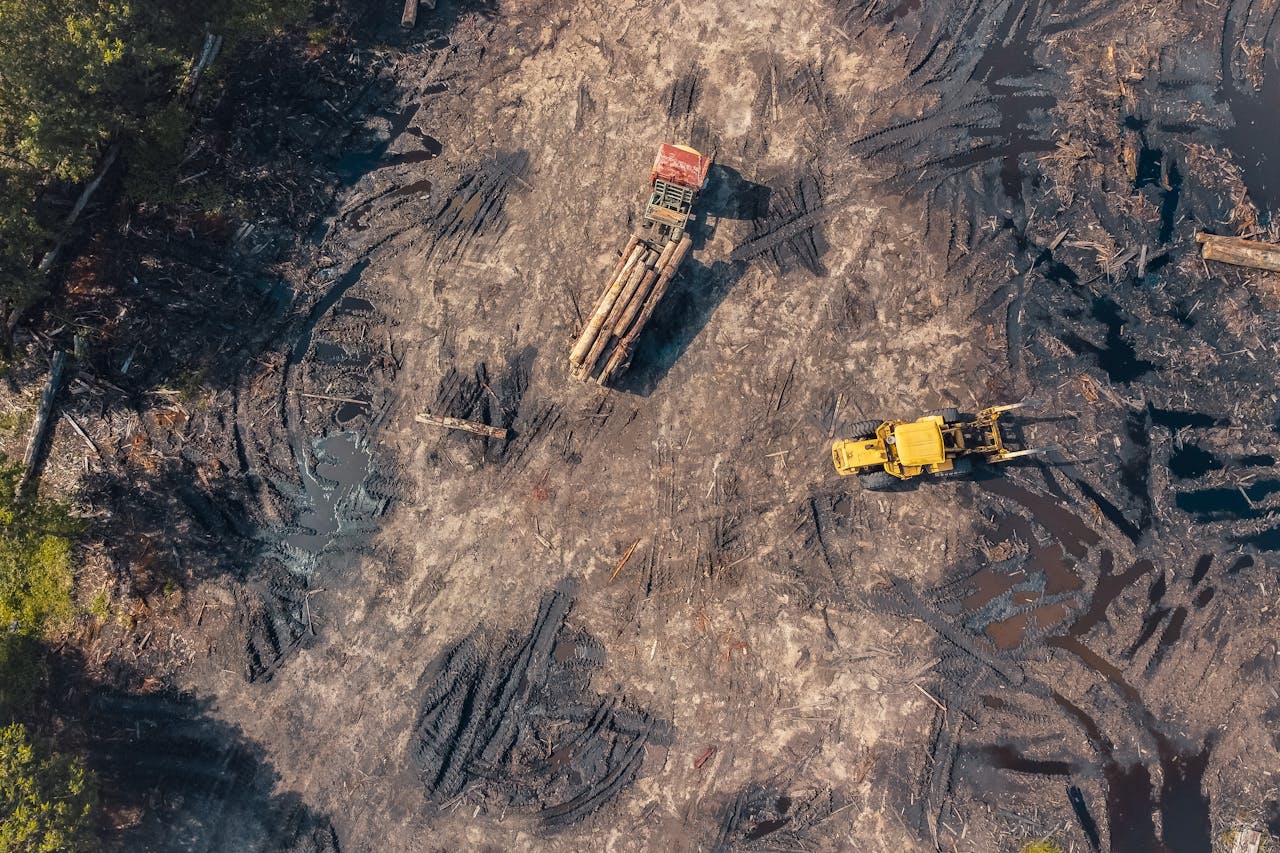
These industries strip away vegetation and disrupt entire ecosystems.
4. Pollution
Oil spills, plastic waste, and chemical runoff poison habitats, especially oceans and rivers.
5. Climate Change
Rising temperatures and shifting weather patterns alter habitats faster than species can adapt.
Table: How Habitat Destruction Impacts Wildlife
|
Cause of Habitat Loss
|
Immediate Impact
|
Long-Term Effect on Species
|
| Deforestation | Loss of shelter | Population decline |
|
Urban development
|
Fragmented habitats | Genetic weaknesses |
|
Pollution
|
Poisoned food/water
|
Increased mortality
|
| Climate change | Altered environments | Extinction risk |
Why It Matters for Humans Too
Losing species isn’t just sad—it’s dangerous.
- Ecosystems collapse without key species like pollinators, predators, or decomposers.
- Food security declines as biodiversity shrinks.
- Disease spreads more easily when ecosystems lose balance.
- Climate change worsens because forests and wetlands help absorb carbon.
Protecting endangered species means protecting our own future.
What Can Be Done to Stop Habitat Destruction?
Luckily, there’s still time to make a difference.
1. Protect and Restore Habitats
Reforestation, wetland restoration, and protected reserves help give species a fighting chance.
2. Support Sustainable Agriculture
Choosing products like certified palm oil or supporting local farmers reduces the strain on natural environments.
3. Reduce Pollution
Recycling, limiting plastic use, and supporting clean energy help protect habitats worldwide.
4. Strengthen Environmental Laws
Governments play a key role in regulating development and protecting endangered species.
5. Raise Awareness
The more people understand the issue, the more support conservation efforts receive.
Conclusion
Habitat destruction isn’t just a wildlife issue—it’s a global crisis that affects ecosystems, economies, and future generations. Endangered species are sounding the alarm, showing us the urgent need to protect the natural world. When we preserve habitats, we’re not only saving animals—we’re safeguarding the balance of life on Earth.
Frequently Asked Questions about The Impact of Habitat Destruction on Endangered Species
Most endangered species face multiple threats, but habitat loss is the leading cause of their decline.
Yes—restoration projects can revive ecosystems, though it takes time and resources.
It alters temperature, sea levels, and weather patterns, leaving species without the conditions they need to survive.
Agricultural expansion is currently the primary driver of habitat loss.
Support sustainable products, reduce waste, donate to conservation groups, and spread awareness.


Was This Article Helpful?
Click on a star to rate it!
Thank you for your vote!

Average Rating: 4.7/5 Votes: 32
Be the first to rate this post!

Tech entrepreneur & digital strategist with over 9 years of experience in backend development and more than 5 years in executive leadership. Education Software and Web developer. More than 20 years of experience in software and web development.
View LinkedIn ProfileLatest Posts
How Individuals Can Support Animal Protection: Simple Actions That Create Change

The Role of Consumers in Sustainability: How Everyday Choices Can Create Change
Human Rights Challenges in Conflict Zones: Protecting People During Crisis